

Kris Quadros-Ragar, Esq.
Kris Quadros-Ragar, Esq.

U.S. Citizenship and Immigration Services (USCIS) has released updated policy guidance detailing how officers will evaluate "public charge" inadmissibility for individuals applying for green cards through adjustment of status. This update follows a Department of Homeland Security (DHS) final rule that rescinds the 2022 public charge regulations. The new policy takes effect on September 18, 2026 , and applies to all green card applications (Form I-485) postmarked or submitted on or after that date. Who Is Subject to the Public Charge Rule? Most family-based and employment-based green card applicants will be subject to the public charge ground of inadmissibility. This includes spouses, children, and parents of U.S. citizens or legal permanent residents, as well as most employment visa preference categories, investors, and diversity visa applicants. Certain categories remain explicitly exempt under immigration law. These include: Asylees and refugees Victims of human trafficking (T visa) or crime (U visa) Violence Against Women Act (VAWA) self-petitioners Special Immigrant Juveniles Temporary Protected Status (TPS) applicants Certain military-related applicants and other designated humanitarian groups How USCIS Will Make Determinations USCIS officers will evaluate whether an applicant is likely to become a public charge by reviewing the totality of their circumstances on a case-by-case basis. Key factors include: Five Statutory Factors: Age, health, family status, assets/financial resources, and education or skills. Affidavit of Support: Submission of Form I-864 executed by a sponsor. Use of Public Benefits: USCIS will look at means-tested public benefits, such as cash assistance for income maintenance, housing assistance, food stamps (SNAP), or college financial aid. Note on timing: For benefits received before September 18, 2026, USCIS will only consider public cash assistance for income maintenance and long-term institutionalization at government expense. For benefits received on or after September 18, 2026, the broader consideration of all listed means-tested benefits will apply. Public Charge Bonds If an officer determines that an applicant is inadmissible solely on public charge grounds, USCIS may issue a Notice of Intent to Deny that invites the applicant to post a public charge bond using Form I-945. If an invited applicant successfully posts the required cash or surety bond, USCIS may approve the application for permanent residence. Public charge bonds can only be submitted if explicitly invited by USCIS. Santos Lloyd Law Firm will continue to monitor immigration developments closely and provide updates as further implementation details are released. For more information, please access: https://www.uscis.gov/newsroom/alerts/uscis-issues-guidance-on-making-public-charge-inadmissibility-determination

The Department of Homeland Security (DHS) is considering a regulatory proposal that would remove the discretionary 60-day grace period currently available to certain nonimmigrant visa holders (including H-1B, L-1, TN, E, and O-1) and their dependents. The draft rule is currently undergoing interagency review by the Office of Management and Budget (OMB) and has not yet been formally published for public feedback. What This Means Right Now Nothing changes today. The 60-day grace period remains in effect while this rule goes through the approval process. Under current rules, if your job ends early, you have up to 60 days (or until your I-94 expires) to leave the U.S., find a new sponsor, or apply to change status. What Could Change If approved, foreign workers who lose their jobs would no longer get automatic time to find a new employer or change status from within the U.S. They would generally be required to leave the country immediately. Next Steps Once the OMB finishes its initial review, the proposed rule will be published in the Federal Register, opening a public comment period of 30 to 60 days. Based on feedback received during this time, DHS may decide to alter, withdraw, or proceed with the proposal. If the government decides to finalize the rule, the entire process will likely take several months before taking effect. Santos Lloyd Law Firm will continue to monitor developments closely and will share updates on our immigration blog and social media pages as more details emerge.

Holding a U.S. visa does not guarantee permanent entry. The Department of State can cancel a visa after it is issued through a process called “prudential visa revocation.” These revocations have surged throughout 2025 and 2026. This increase is a direct result of enhanced vetting and increased data sharing between government agencies. Through the Continuous Vetting Center, law enforcement and immigration databases are now cross-referenced in real time, allowing officials to flag and revoke visas the moment new information surfaces or updated information is received, such as a past criminal arrest or a security alert. What is Prudential Visa Revocation? A prudential revocation is a precautionary cancellation. It happens when new information suggests a traveler might be ineligible for a visa or could pose a safety concern. A revocation cancels your visa, but it does not automatically end your status if you are already inside the U.S. and following the rules of your stay. Common triggers include: Criminal Arrests (DUI/DWI): Even a previous incident or single arrest without a conviction can trigger an immediate revocation. Security Alerts: New hits on watchlists or intelligence databases. Loss of Eligibility: Such as losing a job or failing to maintain student status. Fraud: Discovery of errors or lies on previous applications. The DOS usually notifies individuals via the email address listed on their DS-160 application. However, many travelers reportedly only discover the revocation when they are denied boarding at the airport. If your visa is revoked while you are in the U.S., you can typically remain in the country until the date on your Form I-94 expires, provided you continue to follow all terms of your stay. However, you should avoid international travel until you consult with legal counsel, as leaving the U.S. will require you to apply for a brand-new visa to re-enter. This application process may involve extra scrutiny, such as medical evaluations or supplemental documentation - especially if the revocation was triggered by a DUI or DWI. If your visa has been revoked and you need to discuss your legal options, please contact Santos Lloyd Law Firm for guidance.
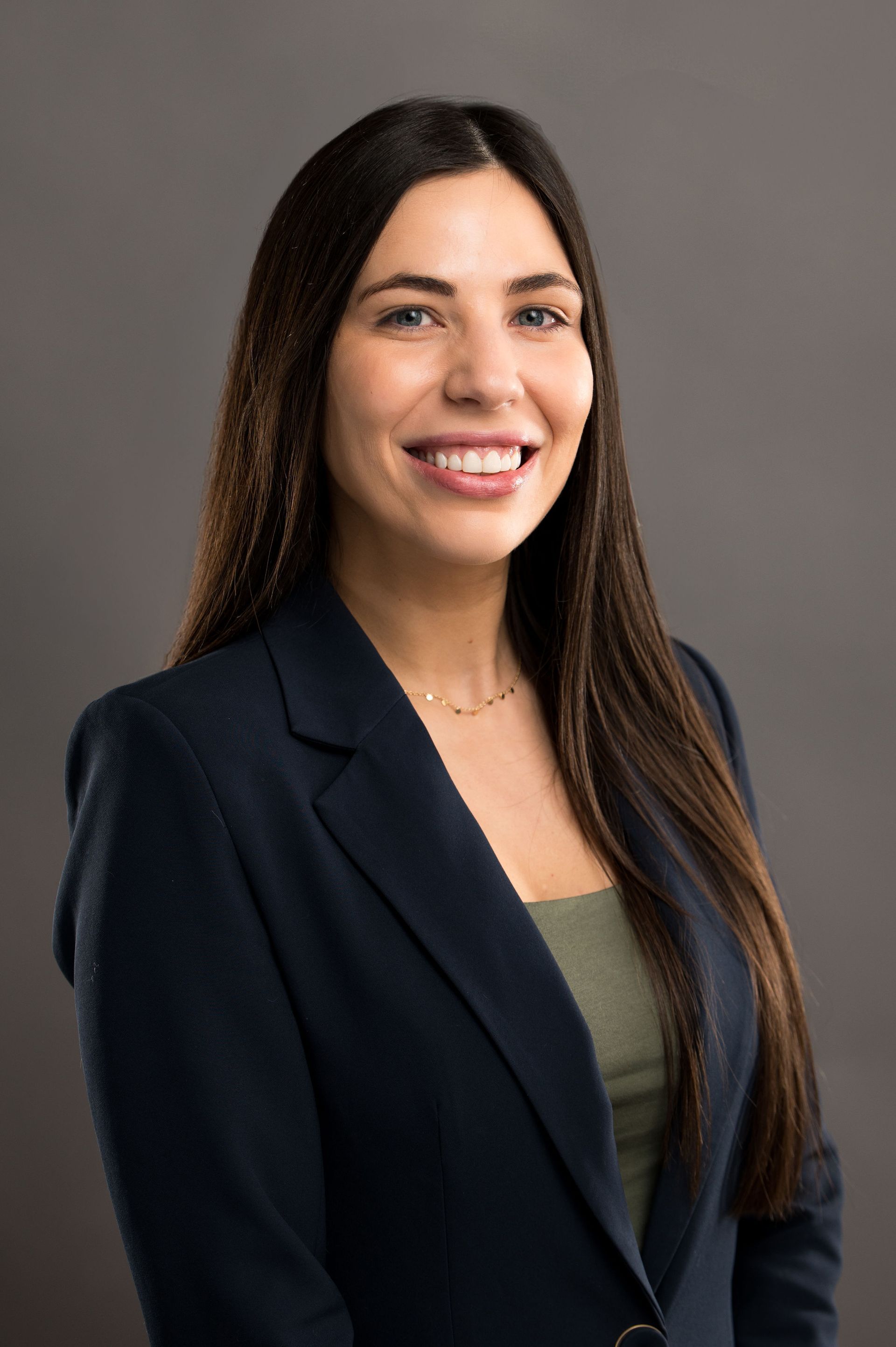
L'avocate Kris Quadros-Ragar est enthousiaste et se consacre à aider les autres à poursuivre leurs rêves grâce à l'immigration. Elle-même immigrée, Kris apporte à son travail une perspective profondément personnelle, enracinée à la fois dans l'expérience vécue et dans une riche formation universitaire internationale. Elle est titulaire d'une licence en droit de l'Université fédérale de Santa Catarina (UFSC) au Brésil et d'un Master of Laws (LL.M.) avec un certificat en droit des affaires de la prestigieuse Gould School of Law de l'Université de Californie du Sud (USC) à Los Angeles.
Avant de rejoindre Santos Lloyd Law, Kris était avocate associée dans un cabinet d'avocats spécialisé dans les fiducies et les successions en Californie. Son exposition à des stratégies juridiques complexes, combinée à sa familiarité avec les exigences et les procédures des agences fédérales, ainsi qu'à son propre parcours dans le système d'immigration américain, l'ont incitée à concentrer sa carrière sur le droit de l'immigration.
En tant qu'avocate chargée de la stratégie pour le département de l'immigration basée sur l'emploi du cabinet, Kris dirige avec précision, réflexion et créativité. Sa pratique se concentre sur la représentation de personnes aux capacités extraordinaires et exceptionnelles, y compris des artistes dans un large éventail de disciplines, des athlètes professionnels, des entrepreneurs chevronnés et des innovateurs qui lancent des start-ups aux États-Unis.
Kris est admise au barreau de l'État de Californie et est fière d'être membre de l'Association américaine des avocats spécialisés en droit de l'immigration (AILA).
En savoir plus sur Kris
Domaines d'activité
 Button
- Droit de l'immigration
Formations
Button- Juris Doctor, Université fédérale de Santa Catarina (UFSC), Brésil
- Maîtrise en droit (LL.M.), Université de Californie du Sud (USC) Gould School of Law, Los Angeles
Présentations
- Extraordinary Problems: Trends in Adjudications of O’s and EB-1A’s, American Immigration Lawyers Association - Rome District Chapter Panel, (December 2025)
- Navigating Recent Trends in RFEs for O, P & EB-1A Petitions, Orange County Bar Association, (December 2025)
- Mandatory Alien Registration: Navigating DHS' New Requirements for All Noncitizens, MyLawCLE and Federal Bar Association, (May 2025)
Langues
Button- Portugais
- Anglais
Admission Au Barreau
Button- Association du barreau de l'État de Californie
Distinctions Et Récompenses
Button- Obtention de la bourse d'excellence du doyen de l'USC Gould
- Diplômé avec mention très bien
