

Streamlining Visa Extensions: The Deference Policy Codified in the H-1B Modernization Rule
Kris Quadros-Ragar • January 16, 2025

A key development occurred in December 2024, when the deference policy was officially written into regulation (the “H-1B modernization rule”), set to take effect on January 17, 2025. Once it takes effect, USCIS adjudicators must apply the deference policy to extension requests involving the same employer, the same employee, and the same job details.
USCIS can still decide not to defer to the previous approval if:
- There was a material error in the earlier approval.
- There has been a material change in circumstances or eligibility.
- New information raises doubts about eligibility.
Even in these situations, officers must explain why they are not deferring. Importantly, USCIS does not have to defer to decisions made by other agencies, such as the U.S. Department of State or Customs and Border Protection.
By turning the deference policy into a regulation, it becomes more difficult for future administrations to eliminate it quickly. Any attempt to rescind or change the policy now requires a lengthy rulemaking process that includes a public notice-and-comment period.
Key Takeaways for Employers
- Greater Predictability: The deference policy, now a regulation, gives employers more certainty that extension petitions will be approved if there are no major changes in the employee’s role or the employer’s situation.
- Potential Changes Ahead: A future administration could still try to rescind this rule, but they must follow a formal regulatory process, which takes time and offers employers some warning.
- File Extensions Early: Employers can submit extension petitions up to six months before a visa expires. Filing early can help avoid unexpected policy shifts and minimize risks of RFEs or denials.
Overall, the codification of the deference policy is a significant step that offers much-needed stability and efficiency in the U.S. immigration process. By planning ahead and staying informed, employers can take advantage of this improved predictability. As always, working closely with an immigration attorney ensures that extension applications are accurate, well-prepared, and filed promptly—especially during times when policy may evolve.
This blog is not intended to be legal advice and nothing here should be construed as establishing an attorney client relationship. Please schedule a consultation with an immigration attorney before acting on any information read here.
This Facebook widget is no longer supported.
Kris Quadros-Ragar
Similar Posts

The U.S. Citizenship and Immigration Services (USCIS) has concluded the annual H-1B cap lottery for Fiscal Year 2027, with employers and legal representatives now able to check selection outcomes through their registration portals.

U.S. Citizenship and Immigration Services (USCIS) has announced a major change to the H-1B cap selection process. Under a final rule issued on December 29, 2025, USCIS will replace the long-standing random H-1B lottery with a wage-weighted selection system that favors higher-paid and more complex positions. The rule is scheduled to take effect on February 27, 2026 , just ahead of the fiscal year 2027 H-1B cap registration season, unless delayed by legal challenges. If implemented, USCIS is expected to release additional guidance explaining how employers must submit registrations under the revised process. This change marks one of the most significant reforms to the H-1B program in recent years. Up until 2025, all registrations were treated equally once the annual cap was reached. Under the new system, selection odds will be tied to wage levels based on the U.S. Department of Labor’s Occupational Employment and Wage Statistics data. All H-1B registrations will still be placed into a single selection pool, but registrations tied to higher wage levels will receive multiple entries into that pool, increasing their likelihood of selection. Lower wage levels will receive fewer entries, making selection less likely but not impossible. H-1B wage levels are not determined solely by salary. Each wage level reflects the complexity of the job, the level of responsibility involved, and the education and experience required . Entry-level positions involving routine duties and close supervision are generally classified at the lowest wage level, while positions requiring independent judgment, advanced skills, and significant responsibility fall into higher wage levels. The highest wage level is reserved for roles that involve expert knowledge, strategic decision-making, and substantial leadership or technical authority. USCIS is expected to closely scrutinize selected petitions to ensure that the wage level claimed during registration is supported by the job duties and salary offered in the petition. Any discrepancies between the registration and the petition may result in requests for evidence, denials, or enforcement action. With the elimination of the purely random lottery, employers should begin preparing early by carefully evaluating job descriptions, wage levels, and overall H-1B strategy. Accurate classification and thoughtful planning will be essential under this new wage-based selection system. If you are an employer considering H-1B sponsorship, or a foreign professional wondering whether your position may qualify under the new wage-based system, consulting with experienced immigration counsel is more important than ever. Santos Lloyd Law is actively advising clients on H-1B cap registrations and strategy under the new rules. To discuss your options or determine whether you may qualify, contact our office to schedule a consultation.

The U.S. Citizenship and Immigration Services (USCIS) has recently announced a significant enhancement to its customer experience with the upcoming launch of organizational accounts for H-1B cap season. These measures, set to debut in February 2024 , aim to boost efficiency and foster collaboration among organizations, legal representatives, and USCIS. One of the key features of this improvement is the introduction of organizational accounts for non-cap filings and the fiscal year (FY) 2025 H-1B cap season. This innovation allows multiple individuals within an organization and their legal representatives to collaborate seamlessly on H-1B registrations, Form I-129 (Petition for a Nonimmigrant Worker), and associated Form I-907 (Request for Premium Processing Service). The introduction of organizational accounts marks a transition to a fully electronic H-1B lifecycle, covering registration, petition preparation, decision-making, and transmission to the Department of State. USCIS expects to launch organizational accounts in February 2024, with the online filing of Forms I-129 and I-907 following shortly thereafter. This shift to electronic filing is anticipated to streamline the H-1B petition process, reducing common errors and eliminating duplicate H-1B registrations. Further, as part of USCIS's broader efforts to enhance efficiency and standardize processes, the paper filing location for Forms I-129 and I-907 will transition from service centers to the USCIS lockbox. This move aims to reduce costs while maintaining a more streamlined and standardized approach to handling H-1B petitions. With these customer experience improvements, USCIS is taking a significant stride towards modernizing and streamlining the H-1B petition process. As we approach the FY 2025 H-1B registration period, Santos Lloyd Law Firm is closely monitoring the evolving landscape of H-1B changes and actively engaging in upcoming sessions to maximize the benefits of these improvements.

In a recent update, the U.S. Citizenship and Immigration Services (USCIS) confirmed that the immigration agency has received a sufficient number of petitions, meeting the congressionally mandated caps for H-1B visas for fiscal year (FY) 2024. Both the regular cap of 65,000 and the U.S. advanced degree exemption, also known as the master’s cap, of 20,000 have been reached. Non-selection notices will be sent to registrants through their online accounts over the next few weeks. For those exempt from the cap, USCIS will continue to accept and process petitions. This includes petitions filed for current H-1B workers who have been previously counted against the cap and still retain their cap number. Fiscal Year (FY) 2025 Lottery Registration for the H-1B cap lottery for FY 2025 is expected to open in March 2024. The increase in submissions from previous years, especially for workers with multiple registrations, has prompted the agency to express concerns about attempts to manipulate the selection process. If the proposed changes released by USCIS on October 23, 2023, are implemented, there is an anticipation of a more streamlined H-1B process, where registrants will be selected as individuals and not based on the number of registrations. Meanwhile, USCIS has initiated fraud investigations into alleged efforts to manipulate the lottery, which could result in the denial of petitions or referrals to law enforcement. The agency is still accepting petitions for visas exempt from the H-1B cap, such as those for jobs at colleges and universities or research institutions. Santos Lloyd Law Firm will continue to monitor developments and publish updates related to the Fiscal Year 2025 H-1B lottery as they become available. Font: https://www.uscis.gov/newsroom/alerts/uscis-reaches-fiscal-year-2024-h-1b-cap
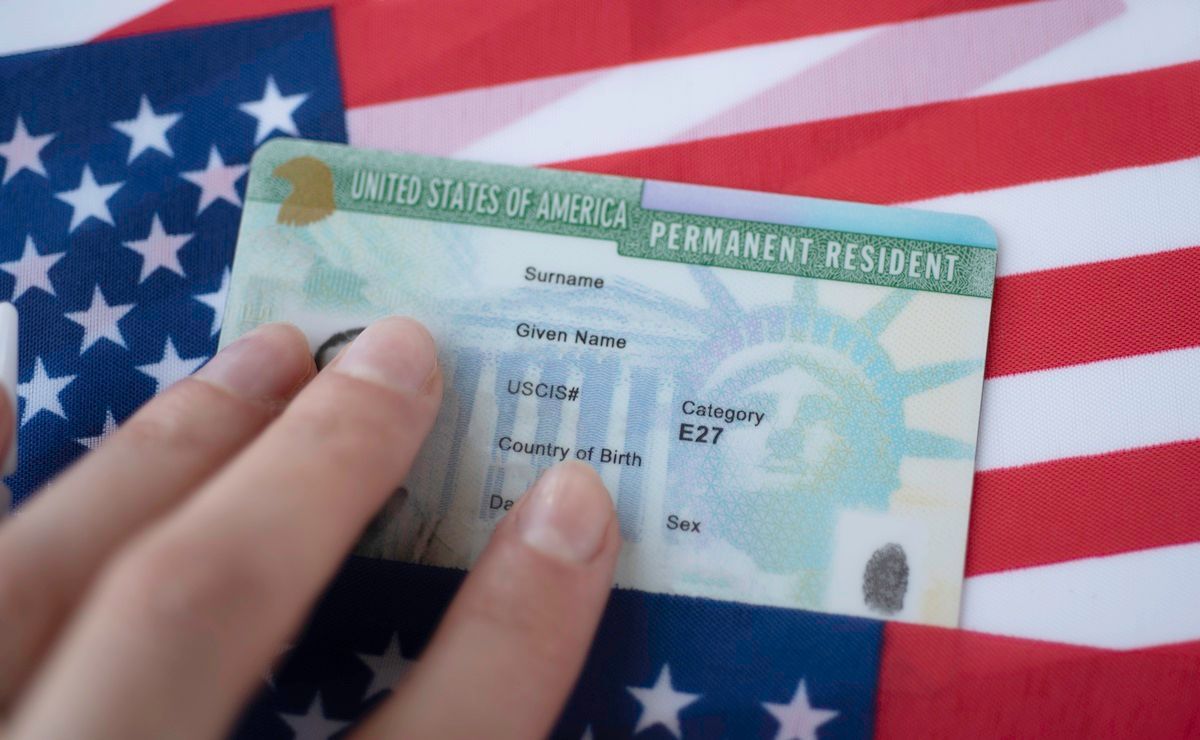
Receiving a two-year green card through marriage is an important step, but it leaves another process ahead: removing the conditions on permanent residence. For couples preparing a joint Form I-751 petition, understanding the filing window and organizing evidence early can make the preparation more manageable. The starting point is your own record. Locate the green card, the notice granting residence, and copies of the earlier immigration filing. Check the date conditional residence began and the card’s expiration date. Do not calculate the next deadline solely from your wedding anniversary or the date an attorney first submitted your case. Understand the joint filing window Under 8 CFR 216.4 , a joint I-751 petition generally must be filed during the 90-day period immediately before the second anniversary of obtaining conditional permanent residence. This is a window before that anniversary, not an additional 90 days after the card expires. Preparing early and filing early are different things. You can begin gathering records well before the window opens, while coordinating the correct submission date with your attorney. A joint petition also requires the appropriate signatures, fee, and supporting documentation. Confirm the current form instructions, accepted filing method, and applicable fee when the case is ready to submit. Build a record of the marriage over time The regulation identifies several types of evidence that may help show the marriage was not entered into to evade immigration law: jointly owned property, a lease for a shared home, combined financial resources, children’s birth certificates, and statements from people with personal knowledge of the relationship. These examples do not mean every couple must have a mortgage, joint accounts, or children. The evidence should accurately reflect your circumstances. A clear explanation of how you manage your household can be more useful than forcing your relationship into a checklist that does not fit. As a practical preparation step, organize records by date and type. Review whether they help explain the course of the marriage, rather than collecting only documents created shortly before filing. Flag separate addresses, name changes, or gaps in the records for your attorney. Never alter a document to make the history appear simpler. Tell your attorney if circumstances change This article addresses joint filing. Divorce, the death of a spouse, abuse, or other significant changes may require a different filing basis or an individualized assessment. Separate waiver provisions exist, with their own requirements. A spouse’s unwillingness to sign does not, by itself, establish eligibility for every waiver. Do not assume that the joint 90-day window answers every question about a non-joint case. If the relationship changes while preparing the petition or while it is pending, inform counsel promptly. You should not need to invent a continuing relationship to seek advice about the options that may actually apply. Keep tracking the case after submission The regulation provides that conditional resident status is automatically extended, when necessary, upon receipt of a properly filed I-751 until adjudication. Proof of that status is a separate practical matter: keep the receipt notice and have counsel review its wording before relying on it for travel or employment documentation. This article does not promise a particular receipt-extension period or processing time. A missed deadline calls for prompt legal attention. The regulation allows some late joint filings where USCIS accepts a written showing of good cause, but acceptance is not automatic. Do not assume a late petition cures the problem without further review. Santos Lloyd Law Firm, P.C. can help you assess the filing window, organize relevant evidence, and identify changes that may affect your I-751 strategy. Contact the firm early enough to review the facts before the deadline approaches.
October begins a new federal fiscal year, but that does not mean every green card applicant moves to the front of the line. The Department of State’s October 2026 Visa Bulletin sets out the visa availability that applicants in family-sponsored and employment-based preference categories need to review this month.
Santos Lloyd Law Firm takes great pride in announcing that Partner Flavia Santos Lloyd has been invited to join the Fellows of the American Bar Foundation. As a highly selective global network, the organization recognizes legal professionals across both the public and private sectors who embody the absolute highest standards of the practice. Admission to this distinguished group highlights Flavia’s outstanding legal career, professional integrity, and deep impact on the legal community. Our team celebrates Flavia on this well-deserved recognition!
