

April Perez, Esq.
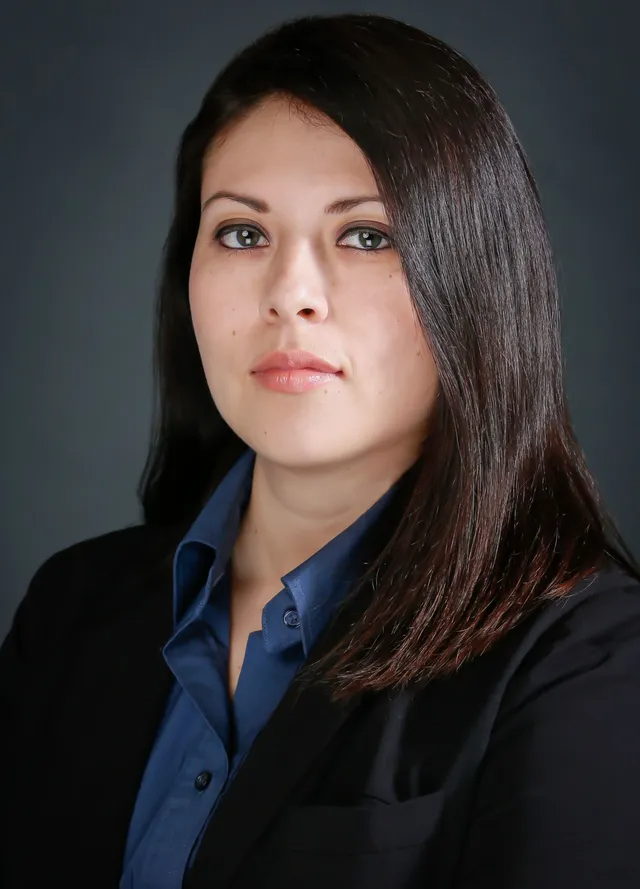
April Perez, Esq.
Email: aperez@santoslloydlaw.com

During the recent administration there has been an increase in issuance of Requests for Evidence for EB-1A petitions for those of Extraordinary Ability. A Request for Evidence is a request that is made by USCIS that should explain how the evidence is deficient in proving the criteria argued and what additional evidence needs to be provided by the applicant to meet the criteria. EB-1A petitions are already normally subject to higher scrutiny because their approval is the first step needed to apply for Lawful Permanent Residence or a green card. USCIS normally requires not just evidence but that the evidence be provided with context and information to show why it matters in a particular field. For example, if you were providing evidence of your membership in an organization that requires outstanding achievements of its members, just providing evidence of the membership is not enough. You must explain what that membership is and provide background information on the organization granting the membership. You also need to provide evidence on the criteria that is used to select the members, information on those who select the members to show that they are recognized experts, other documentation such as articles about the membership organization to show its importance, and any other relevant evidence and background information to show that the criteria is met. A request for evidence being issued prior to the current administration was not uncommon, but in the current climate it is more surprising to not receive a request for evidence for this type of case. It is important to remember that a request for evidence is not a denial. Depending on the validity of the information in the request and the substance some Requests for Evidence can be overcome, and the case be approved. It is important to carefully review the request and note if there are any errors in the content and application of the regulations by USCIS. If you have an attorney, you should work with them and make sure that you provide any evidence you think may be helpful. Although there is a deadline by which a response must be submitted, attention to detail and patience will go a long way when dealing with having to respond to a request for evidence. If you believe you may qualify for this type of visa, please feel free to contact our office.
If you are planning on filing an O1B visa based on your extraordinary ability, you may need to provide some reference letters as part of the evidence for your application.
You can use letters for various requirements. One specific requirement for the O1B that you will definitely need letters for is the requirement: Evidence the beneficiary has received significant recognition for achievements from organizations, critics, government agencies, or other recognized experts in the field in which the alien is engaged. Such testimonials must be in a form which clearly indicates the author’s authority, expertise, and knowledge of the alien’s achievement. The letters should come from individuals who work within the same field and explain their own background and accomplishments within that field. The individual should also be familiar with the applicant’s work and be able to attest to that person’s accomplishments within the specified field. Letters from individuals without experience within the same field as the a
The most important thing to understand is that it is not a denial. A request for evidence can be issued for any type of petition that is filed with USCIS. The request for evidence is usually issued by the reviewing officer if a specific document is missing or if the officer does not believe that the evidence provided is sufficient to meet the requirements for the petition to be approved.
Attorney April Perez has compassion and understanding for immigration clients. As the daughter of two immigrant parents, she grew up understanding the difficulties that immigrants face in this country. She enjoys helping people who are facing some of their most challenging times and helping them obtain a positive outcome. While in law school she focused her studies on international and immigration law. She was a fellow for the Center for International and Comparative Law and interned at CARECEN, an immigration non-profit where she worked on U-Visa cases and translated for clients. She has also worked on waiver cases as an immigration paralegal and previously volunteered for the Public Law Center citizenship fair.
Find out more about April
Areas of Practice
 Button
- Immigration Law
- Naturalization
- Family-based Immigration
- Asylum
- U-Visa
- Waiver Cases
- Removal Defense
Education
Button- Juris Doctor, Whittier Law School, Costa Mesa, California
- Outstanding Graduate in
International and Comparative Law
- Bachelor of Arts in Sociology, California State Polytechnic University Pomona, California
- Member of Alpha Kappa Delta (sociology honor society)
- Member of Alpha Pi Sigma (Latina sorority)
Languages
Button- English
- Spanish
Bar Admissions
Button- California State Bar
Honors & Awards
Button- Dean's List, Whittier Law School
- CALI Award, Whittier Law School
- Cum Laude, California State Polytechnic University Pomona
- Member of Los Angeles County Bar Association
- Active member of the California State Bar
Volunteer Work
Button- Center for International and Comparative Law and interned at CARECEN
- Public Law Center Citizenship fair
