


Эйприл Перес, эсквайр.
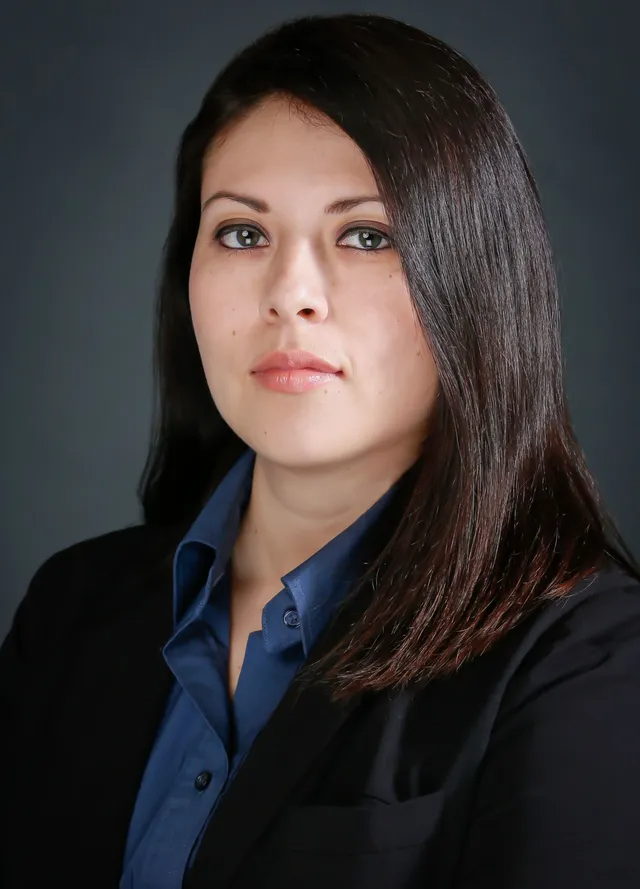
Эйприл Перес, эсквайр.
Электронная почта: aperez@santoslloydlaw.com

During the recent administration there has been an increase in issuance of Requests for Evidence for EB-1A petitions for those of Extraordinary Ability. A Request for Evidence is a request that is made by USCIS that should explain how the evidence is deficient in proving the criteria argued and what additional evidence needs to be provided by the applicant to meet the criteria. EB-1A petitions are already normally subject to higher scrutiny because their approval is the first step needed to apply for Lawful Permanent Residence or a green card. USCIS normally requires not just evidence but that the evidence be provided with context and information to show why it matters in a particular field. For example, if you were providing evidence of your membership in an organization that requires outstanding achievements of its members, just providing evidence of the membership is not enough. You must explain what that membership is and provide background information on the organization granting the membership. You also need to provide evidence on the criteria that is used to select the members, information on those who select the members to show that they are recognized experts, other documentation such as articles about the membership organization to show its importance, and any other relevant evidence and background information to show that the criteria is met. A request for evidence being issued prior to the current administration was not uncommon, but in the current climate it is more surprising to not receive a request for evidence for this type of case. It is important to remember that a request for evidence is not a denial. Depending on the validity of the information in the request and the substance some Requests for Evidence can be overcome, and the case be approved. It is important to carefully review the request and note if there are any errors in the content and application of the regulations by USCIS. If you have an attorney, you should work with them and make sure that you provide any evidence you think may be helpful. Although there is a deadline by which a response must be submitted, attention to detail and patience will go a long way when dealing with having to respond to a request for evidence. If you believe you may qualify for this type of visa, please feel free to contact our office.
If you are planning on filing an O1B visa based on your extraordinary ability, you may need to provide some reference letters as part of the evidence for your application.
You can use letters for various requirements. One specific requirement for the O1B that you will definitely need letters for is the requirement: Evidence the beneficiary has received significant recognition for achievements from organizations, critics, government agencies, or other recognized experts in the field in which the alien is engaged. Such testimonials must be in a form which clearly indicates the author’s authority, expertise, and knowledge of the alien’s achievement. The letters should come from individuals who work within the same field and explain their own background and accomplishments within that field. The individual should also be familiar with the applicant’s work and be able to attest to that person’s accomplishments within the specified field. Letters from individuals without experience within the same field as the a
The most important thing to understand is that it is not a denial. A request for evidence can be issued for any type of petition that is filed with USCIS. The request for evidence is usually issued by the reviewing officer if a specific document is missing or if the officer does not believe that the evidence provided is sufficient to meet the requirements for the petition to be approved.
Адвокат Эйприл Перес проявляет сострадание и понимание к клиентам-иммигрантам. Будучи дочерью двух родителей-иммигрантов, она выросла, понимая трудности, с которыми иммигранты сталкиваются в этой стране. Ей нравится помогать людям, которые переживают самые трудные времена, и помогать им добиваться положительного результата. Г-жа Перес училась в Калифорнийском политехническом университете Помоны, где получила степень бакалавра социологии. Во время учебы она была членом почетного общества социологов Alpha Kappa Delta. Она также была членом латиноамериканского женского общества Alpha Pi Sigma, что дало ей возможность участвовать в благотворительной деятельности, ориентированной на латиноамериканское сообщество. Во время учебы на юридическом факультете она сосредоточила свое внимание на международном и иммиграционном праве. Она была научным сотрудником Центра международного и сравнительного правоведения и стажировалась в CARECEN, иммиграционной некоммерческой организации, где работала над делами по U-Visa и переводила для клиентов. Она также работала над делами об отказе от иммиграции в качестве помощника юриста по вопросам иммиграции, а ранее работала волонтером на ярмарке гражданства Центра публичного права. Г-жа Перес уже имела опыт представления клиентов иммиграционной службы из разных частей мира на собеседованиях в USCIS по вопросам натурализации, I-130, I-485, TVPRA и дел о предоставлении убежища. Она также представляла интересы клиентов в иммиграционном суде по делам о депортации. Г-жа Перес является членом Коллегии адвокатов округа Лос-Анджелес и активным членом Коллегии адвокатов штата Калифорния. Прием в адвокатуру Языки Калифорнии Английский Испанский Образование Доктор юридических наук, Юридическая школа Уиттиера, Коста Меса, Калифорния Награды: Список деканов, Премия CALI, Выдающийся выпускник в области международного и сравнительного права Бакалавр искусств, социологии, Калифорнийский государственный политехнический университет Помона, Помона, Калифорния Награды: диплом с отличием
