Moving While Your Immigration Case Is Pending

Santos Lloyd Team • November 25, 2026
A person checks their mail beside moving boxes and a set of keys.


Moving to a new home involves updating utilities, bank accounts, and many other records. If you have an immigration case pending, your address with USCIS also needs attention. Missing a notice can make an otherwise routine move much more difficult.


Before moving, tell your immigration attorney the new address and the date you expect to relocate. Your legal team can review the reporting requirements, identify the cases that need updating, and help you keep track of correspondence during the transition.


Report the move within the applicable deadline


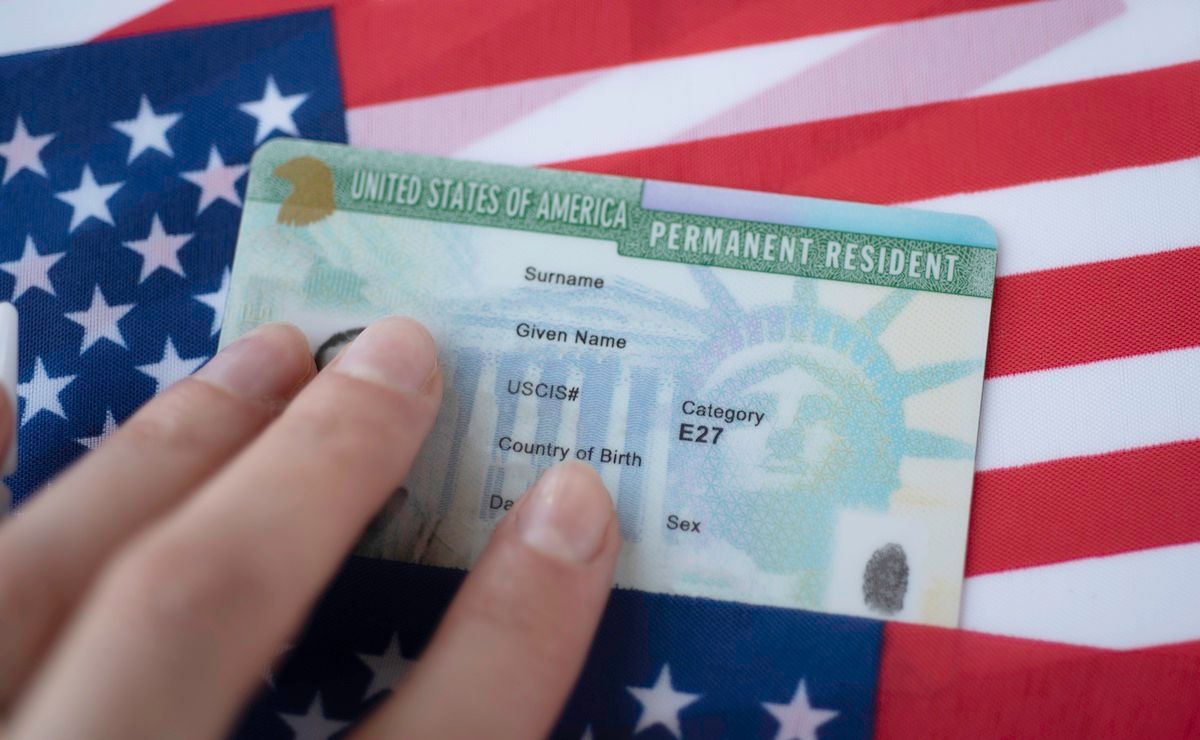
Most noncitizens in the United States must report a change of address to USCIS within 10 days of moving. Exceptions and special procedures apply to certain categories, so your attorney should confirm the process that fits your situation.

Do not assume that the obligation disappears because you already have a green card or are waiting for a decision. Bring the move to your attorney’s attention promptly rather than waiting for the next appointment or case update.

Keep a record of your old and new addresses, including apartment numbers, and the actual moving date. Give your legal team consistent information so the address change and any later filings reflect the same history.


Check every pending application


USCIS generally encourages address changes through its online account system. When using that process, the receipt numbers for each pending benefit request must be included to apply the change to those cases. Your attorney can help identify the relevant receipt notices.

For example, a family may have a green card application and related work authorization requests pending at the same time. Make a list of the filings and family members involved so counsel can determine which records need attention. Keep the submission confirmations with your immigration documents.


Update other records separately


Changing your address with the U.S. Postal Service does not update USCIS. Telling your attorney your new address does not, by itself, update the government’s records. Ask your legal team to confirm which notifications have been submitted.

If your case is with the National Visa Center or an immigration court, separate notification procedures may apply. Certain protected cases, including VAWA, T, U, and I-751 abuse-waiver matters, also have special address-change procedures. Ask your attorney before using the general process in those circumstances.


Monitor notices during the transition


Arrange to check your USCIS account and incoming mail during the move. Tell your attorney about any appointment or response deadline already on the calendar. An address update should not be treated as permission to miss a scheduled appearance or ignore a request.

If you discover that a notice went to the old address, share it with your attorney immediately, including all pages and any delivery information. Explain when you moved and what address-change steps were taken so counsel can assess the next action.


Contact Santos Lloyd Law Firm, P.C. if you are moving while an immigration case is pending. Schedule a consultation to review your address updates and help protect continuity in your case.


This blog is not intended to be legal advice and nothing here should be construed as establishing an attorney client relationship. Please schedule a consultation with an immigration attorney before acting on any information read here.

Santos Lloyd Team

Similar Posts


By Santos Lloyd Team • November 5, 2026
You attend your visa interview expecting a clear answer, then check your case online and see the word “Refused.” For someone planning to reunite with family, begin a job, or return to an established life in the United States, that message can be unsettling.
By Santo Lloyd Team • October 22, 2026
 Receiving a two-year green card through marriage is an important step, but it leaves another process ahead: removing the conditions on permanent residence. For couples preparing a joint Form I-751 petition, understanding the filing window and organizing evidence early can make the preparation more manageable. The starting point is your own record. Locate the green card, the notice granting residence, and copies of the earlier immigration filing. Check the date conditional residence began and the card’s expiration date. Do not calculate the next deadline solely from your wedding anniversary or the date an attorney first submitted your case. Understand the joint filing window Under 8 CFR 216.4 , a joint I-751 petition generally must be filed during the 90-day period immediately before the second anniversary of obtaining conditional permanent residence. This is a window before that anniversary, not an additional 90 days after the card expires. Preparing early and filing early are different things. You can begin gathering records well before the window opens, while coordinating the correct submission date with your attorney. A joint petition also requires the appropriate signatures, fee, and supporting documentation. Confirm the current form instructions, accepted filing method, and applicable fee when the case is ready to submit. Build a record of the marriage over time The regulation identifies several types of evidence that may help show the marriage was not entered into to evade immigration law: jointly owned property, a lease for a shared home, combined financial resources, children’s birth certificates, and statements from people with personal knowledge of the relationship. These examples do not mean every couple must have a mortgage, joint accounts, or children. The evidence should accurately reflect your circumstances. A clear explanation of how you manage your household can be more useful than forcing your relationship into a checklist that does not fit. As a practical preparation step, organize records by date and type. Review whether they help explain the course of the marriage, rather than collecting only documents created shortly before filing. Flag separate addresses, name changes, or gaps in the records for your attorney. Never alter a document to make the history appear simpler. Tell your attorney if circumstances change This article addresses joint filing. Divorce, the death of a spouse, abuse, or other significant changes may require a different filing basis or an individualized assessment. Separate waiver provisions exist, with their own requirements. A spouse’s unwillingness to sign does not, by itself, establish eligibility for every waiver. Do not assume that the joint 90-day window answers every question about a non-joint case. If the relationship changes while preparing the petition or while it is pending, inform counsel promptly. You should not need to invent a continuing relationship to seek advice about the options that may actually apply. Keep tracking the case after submission The regulation provides that conditional resident status is automatically extended, when necessary, upon receipt of a properly filed I-751 until adjudication. Proof of that status is a separate practical matter: keep the receipt notice and have counsel review its wording before relying on it for travel or employment documentation. This article does not promise a particular receipt-extension period or processing time. A missed deadline calls for prompt legal attention. The regulation allows some late joint filings where USCIS accepts a written showing of good cause, but acceptance is not automatic. Do not assume a late petition cures the problem without further review. Santos Lloyd Law Firm, P.C. can help you assess the filing window, organize relevant evidence, and identify changes that may affect your I-751 strategy. Contact the firm early enough to review the facts before the deadline approaches.
By Santos Lloyd Team • October 15, 2026
October begins a new federal fiscal year, but that does not mean every green card applicant moves to the front of the line. The Department of State’s October 2026 Visa Bulletin sets out the visa availability that applicants in family-sponsored and employment-based preference categories need to review this month.
By Angelica Rice • October 17, 2024
On September 25, 2024, the U.S. Citizenship and Immigration Services (USCIS) recently updated its guidance on the Child Status Protection Act (CSPA) to clarify how an applicant’s CSPA age is calculated when extraordinary circumstances are involved. This update is designed to help Applicants and their families better understand how their eligibility for certain immigration benefits may be impacted by delays or special conditions during the process . The CSPA is a crucial law that helps protect children from "aging out" of the immigration process , meaning turning 21 years old while waiting for family-based immigration petitions to be processed. Normally, once a child turns 21, they may no longer qualify for a green card under certain family visa categories. However, the CSPA allows a special calculation of a child’s age to determine whether they can still be considered a "child" for immigration purposes, even if they have passed the age of 21. USCIS's recent update focuses on two key points: First , it clarifies how extraordinary circumstances may excuse an applicant from the usual requirement to apply for a green card (or "seek to acquire" permanent residency) within one year of their visa becoming available. If extraordinary circumstances, such as medical issues or other unavoidable situations, prevent an applicant from meeting this deadline, they may still qualify for CSPA protection as long as they can demonstrate these circumstances. Second , the guidance outlines how to calculate the applicant’s CSPA age in cases where these extraordinary circumstances apply . If an immigrant visa was available for a continuous one-year period, the CSPA age is calculated from the date the visa first became available. However, if the visa became available and then unavailable before the applicant could apply, the CSPA age calculation may still use the date the visa first became available—if the applicant can show they were unable to apply due to extraordinary circumstances. This update addresses an issue that was not previously covered in detail by USCIS policy. Before this clarification, it was unclear how the CSPA age would be calculated for noncitizens who had extraordinary reasons for not applying for a green card during the time their visa was available. By providing this updated guidance, USCIS aims to ensure that these cases are handled consistently and fairly. In conclusion, this recent USCIS update offers clearer guidance on how extraordinary circumstances affect CSPA age calculation. If you believe your family might benefit from this update, please reach out to one of our highly experienced immigration attorneys, who can help you understand how these changes apply to your situation. For more detailed information, you can visit the USCISPolicyManual or review the official USCISannouncement .
Show More
A child studies while two adults review plans at the family table.
By Santos Lloyd Team • November 19, 2026
An O-1 opportunity can affect an entire household. Alongside the principal applicant’s work, families often need to plan for a spouse’s career and a child’s education. Eligible spouses and unmarried children under 21 may qualify for O-3 status to accompany or join an O-1 or O-2 worker.
A person reviewing a request for evidence and supporting documents.
By Santos Lloyd Team • November 12, 2026
A letter from USCIS asking for more evidence can be unsettling, especially after months of waiting. A Request for Evidence, commonly called an RFE, gives you an opportunity to address questions about your immigration application or petition. It is not a final denial, but it requires a timely and carefully prepared response.
By Santos Lloyd Team • November 5, 2026
You attend your visa interview expecting a clear answer, then check your case online and see the word “Refused.” For someone planning to reunite with family, begin a job, or return to an established life in the United States, that message can be unsettling.
Show More