THE EXPATRIATE CENTER

HIGH-PROFILE IMMIGRATION

Newport Beach, CA | Beverly Hills, CA | San Diego, CA | Boston, MA | Orlando, FL

949-316-0078

CONTACT

THE EXPATRIATE CENTER

HIGH-PROFILE IMMIGRATION

Newport Beach, CA | Beverly Hills, CA | San Diego, CA | Boston, MA | Orlando, FL

949-316-0078

CONTACT

Last Updates

By Joseph Lennarz July 9, 2026
If you are an elite athlete, the dream of competing and living in the United States often begins with a temporary visa, like a P-1 or an O-1A, based on an employment contract with a team or a schedule of professional competitions you will participate in. However, if you are able to truly excel and reach the top echelon of competitors in your sport worldwide, you may eventually be able to qualify for an EB-1A employment-based Green Card that grants you lawful permanent residence in the U.S. The EB-1A is highly coveted because it doesn’t require a U.S. employer to sponsor you; you can self-petition based entirely on your own merit. However, the barrier to entry is high. You must either prove a major, one-time achievement (like an Olympic medal or a World Cup title) or satisfy at least three out of ten specific regulatory criteria. If you are a forward-thinking athlete currently in the prime of your career, now is the time to start building your EB-1A playbook. Here is a breakdown of all ten criteria from a professional sports perspective, along with actionable tips to bolster your eligibility for the future. The 10 EB-1A Criteria: An Athlete’s Playbook 1. Nationally or Internationally Recognized Prizes or Awards This criterion looks for evidence of excellence in your sport. For athletes, this means trophies, medals, or individual accolades. What counts: League MVP awards, "Best Newcomer" titles, National Championship medals, or selection to an All-Star team. Regional or local club-level awards generally won't cut it. How to maximize your chances: Never throw away a program booklet, medal certificate, or official league announcement. If you win an award, request a formal letter from the league or federation confirming the criteria for the award, how many athletes competed for it, and why you stood out. You are already striving for excellence in your career, to maximize the impact of these awards on your potential EB-1A eligibility, be prepared to document them as fully as possible. 2. Membership in Elite Associations USCIS looks for memberships in organizations that require outstanding achievements of their members, as judged by recognized national or international experts. What counts: Selection to a National Team, an invitation-only elite training pool, or membership in a prestigious international sports federation with strict performance entry barriers. A basic club membership, or membership in a players’ union for all players in your league is unlikely to move the needle here. How to maximize your chances: Actively pursue national team call-ups or qualify for top-tier athletic federations. Keep copies of the official selection criteria for these organizations to prove that entry is based strictly on elite athletic performance, not just paying a membership fee. 3. Published Material About You in Major Media This involves press coverage detailing your athletic career, your achievements, and your impact on the sport. What counts: Feature articles, profile pieces, and match reports in major media outlets (e.g., ESPN, Sky Sports, major national newspapers, or highly regarded websites that cater to your specific sport). How to maximize your chances: Don't shy away from the press. When journalists ask for interviews, take them. Make sure that video interviews or other video-based features include a written text element as well. Crucially, maintain a digital press portfolio . Save screenshots, URLs, and physical copies of print articles. Track the circulation or web traffic metrics of the publications featuring you to prove they qualify as "major media" - they will need to average at least 3,000 viewers or subscribers per month. 4. Participation as a Judge of the Work of Others This criterion requires you to have evaluated the performance of other athletes or professionals in your field. What counts: Serving as a licensed referee or umpire at high-level competitions, acting as a technical judge at a national tryout, or being invited to sit on a selection panel for a prestigious youth draft combine. How to maximize your chances: As you gain seniority in your sport, accept invitations to judge. Offer to serve as a panelist or evaluator for academy tryouts, state tournaments, or specialized sports combines. Ensure your participation is documented with official invitations and judging schedules. 5. Original Contributions of Major Significance to the Sport This means you have introduced something to your sport that has shifted the way the game is played, trained, or analyzed. What counts: Developing a brand-new training methodology or tactical system that is widely adopted by other clubs, setting a long-standing national or international record, or introducing a new technique to your sport such as a new grappling hold in combat sports or a new putting technique in golf. How to maximize your chances: If you innovate a specific technique or coaching program, document its widespread impact. Secure testimonial letters from independent coaches, sporting directors, and analysts testifying to how your unique contribution has materially advanced the sport. 6. Authorship of Scholarly Articles This requires writing deeply technical or academic pieces for major professional or trade publications. What counts: Publishing tactical breakdowns in recognized coaching journals, writing a column for a sports science publication, or authoring an authoritative textbook on modern athletic training. How to maximize your chances: Use the off-season or injury downtime to co-author articles with sports scientists or write deep-dive tactical pieces for established athletic journals or coaching magazines. The experience and insight of an elite athlete is a valuable academic resource; you don’t need to be an accomplished scholar yourself to contribute to academic work. 7. Display of Work at Artistic Exhibitions or Showcases While primarily designed for painters, sculptors, and actors, this can occasionally be adapted for athletes under very specific circumstances. What counts: Having your athletic gear, memorabilia, or historical achievements featured in a major sports museum, or being a primary feature in an athletic showcase with a large audience such as participating in a testimonial match for a retiring superstar, or a skateboarding demo attached to a popular festival. How to maximize your chances: If your athletic career intersects with media, exhibitions, or major historical displays, keep records of the venue’s prestige, attendance numbers, and promotional materials. 8. Performing in a Leading or Critical Role for Distinguished Organizations You must prove that you played a vital part in the success of a team or organization with an eminent reputation. What counts: Serving as the team captain, being the star player/top scorer who led a top-tier club to a championship, or acting as the foundational head coach of a highly reputable academy. This could also apply to leading your boxing or MMA gym to a tournament title, your motorsport team to a season trophy, or contributing to your country’s success in an international competition. How to maximize your chances: Leadership matters. Strive for roles like captaincy or leading tactical positions. Keep records of statistics that indicate your impact on your team or group’s success. When you leave a club or team, secure a letter from the head coach, general manager, or sporting director detailing exactly how your specific presence and leadership directly caused the organization's success or ranking surge. 9. High Salary or Significantly High Remuneration This requires proving that your compensation is substantially higher than what the average athlete in your sport and country earns. What counts: Playing contracts, performance bonuses, endorsement deals, and prize money that place you in the top tier of earners in your league or nation. How to maximize your chances: Keep meticulous financial records. Save all player contracts, prize money receipts, and tax returns. Work with your immigration attorney to gather objective labor data (like national statistics or league averages) to clearly demonstrate that your income dwarfs the baseline average for your profession. 10. Commercial Successes in the Performing Arts For athletes, this criterion is increasingly satisfied through the modern commercialization of sports, specifically focusing on box office draws and merchandise. What counts: Major pay-per-view (PPV) draws in combat sports or extreme sports, ticket sales or attendance spikes directly attributed to your presence, or substantial jersey/merchandise sales carrying your name. How to maximize your chances: Work closely with your agency, club, or promotion to track your commercial impact. Request data regarding streaming viewership peaks during your matches, box office revenue for events you headlined, or official merchandise sales reports. As with each criteria, the more objective support materials you can provide, the stronger your argument becomes. Summary: Building Your EB-1A Timeline The EB-1A Green Card requires extraordinary ability by its very name; planning and preparation alone cannot manifest eligibility if you are not an outstanding athlete in your chosen sport. But for those high achieving athletes who may wish to pursue this desirable pathway to lawful permanent residency, being proactive early in your career can make all the difference. By understanding these criteria today, you can make intentional career choices that pay off down the road. Treat your visa strategy like your training regimen: consistency, documentation, and aiming for the highest platforms will ultimately secure your win. If you think you may qualify for an EB-1A visa on the basis of your athletic talent, please contact our office and we would be happy to help guide you through this complex but rewarding process.
By Rabia Elhage July 6, 2026
 Navigating the U.S. immigration system is already a complex process, but a critical new federal court ruling has provided major relief to thousands of applicants who have found themselves caught in a challenging standstill. On Friday, June 5, 2026, U.S. District Chief Judge John J. McConnell, Jr. of the U.S. District Court for the District of Rhode Island issued a nationwide order declaring unlawful and vacating four restrictive U.S. Citizenship and Immigration Services (USCIS) policies. These internal policies had previously directed adjudicators to completely suspend processing and final decisions for immigration benefits filed on behalf of foreign nationals from roughly 39 countries. In a sharply worded ruling, Chief Judge McConnell criticized the administration’s restrictive processing directives, stating that the policies "threw the lives of countless immigrants living in the United States into indeterminate legal limbo." He further accused USCIS of actively ignoring established federal law by categorically barring these applicants from receiving final decisions. Which Countries and Benefits Are Affected? The 39 affected nations are located predominantly across Africa, Asia, Latin America, and the Middle East, heavily mirroring countries that have been targets of broader administration travel bans. Under the struck-down policies, individuals from these specific countries faced indefinite halts on their essential filings, regardless of the individual merits of their cases. The federal court's decision directly impacts a wide spectrum of vital immigration pathways, including: Asylum Applications Employment Authorization Documents (Work Permits) Adjustment of Status (Green Cards) Naturalization (Citizenship Applications) What This Means For Clients and Applicants The core takeaway of this decision is immediate: USCIS must resume processing these cases. Because the court's ruling carries a nationwide effect, the agency is no longer permitted to pause or shelve a file simply because of the applicant’s country of origin. While the administration is widely expected to appeal Chief Judge McConnell's decision, the policy is officially vacated for the time being. For individuals from the affected nations who have watched their applications sit frozen for months without explanation, this opens a crucial window to see their cases move forward toward a final determination. How Santos Lloyd Law Firm Can Assist The landscape of U.S. immigration remains incredibly fluid, and shifts in federal policy can radically impact your status, career, or timeline. If you are a national of one of the affected countries or have an application that has been experiencing unusual or prolonged delays, it is critical to evaluate how this new ruling alters your strategy. At Santos Lloyd Law Firm, P.C., we closely monitor federal litigation and shifting agency guidance to provide our clients with proactive legal support. Whether you are navigating family-based applications, employment visas, or citizenship tracks, our experienced attorneys are here to help you understand your options and build a viable path forward.
By Josephine Franz June 11, 2026
For many of our clients, premium processing has long felt less like a luxury and more like a necessity. Whether it's an artist with a tour date, a startup founder with investors waiting, or an executive whose H-1B extension is tied to a project deadline, the ability to get a USCIS decision in fifteen business days has been a cornerstone of business and entertainment immigration planning. But 2026 has brought meaningful changes. On March 1, 2026, USCIS implemented a new round of premium processing fee increases under the biennial inflation adjustment authorized by the USCIS Stabilization Act. With fees now climbing across every eligible form, employers, foreign nationals, and their counsel are asking a fair question: at these prices, is premium processing still worth it? The short answer is: often yes but no longer always. Here is what has changed, what hasn't, and how to think strategically about your filings this year. What Premium Processing Actually Buys You Premium processing is an optional, fee-based service that obligates USCIS to take action on a qualifying petition or application within a defined window. "Action" does not necessarily mean approval USCIS may issue an approval, a denial, a Request for Evidence (RFE), a Notice of Intent to Deny, or open an investigation. But it must do something within the guaranteed timeframe, or refund the premium fee. The current adjudication windows are: 15 business days for most Form I-129 nonimmigrant petitions (including H-1B, L-1, O-1, P-1, TN, and E-3) and most Form I-140 employment-based immigrant petitions 45 business days for Form I-140 petitions in the EB-1C (multinational executive/manager) and EB-2 National Interest Waiver (NIW) categories 30 business days for eligible Form I-539 change-of-status applications and Form I-765 applications for F-1 OPT and STEM OPT employment authorization When USCIS issues an RFE, the clock pauses and restarts only when the agency receives the response, a detail that surprises many petitioners and is worth planning around. The 2026 Fee Increases at a Glance The Department of Homeland Security's final rule, published in the Federal Register on January 12, 2026, raised premium processing fees by an average of roughly 5.7 percent based on inflation between June 2023 and June 2025. Any Form I-907 postmarked on or after March 1, 2026, must include the updated fee, or USCIS will reject the filing outright.
By Joseph Lennarz June 4, 2026
Navigating the immigration landscape as a professional athlete can feel as demanding as a championship final, but understanding the P-1A visa can help you to plan ahead and successfully petition USCIS when the time comes to apply. For individual athletes like surfers, Rodeo cowboys, or Brazilian Jiu-Jitsu fighters, the P-1A serves as the primary gateway to competing in the United States. While it is often compared to the O-1 visa, the P-1A has a distinct threshold that is more easily accessible than the O-1; rather than proving "extraordinary ability," you must demonstrate "international recognition". This means your achievements must be renowned or leading in more than one country, showcasing a level of skill that is substantially above the ordinary. For those competing in individual sports, the spotlight is entirely on your personal accolades and standing rather than a team or league’s reputation as in the case of a team sport athlete. You must show that you are personally well-known within your sport across multiple countries, and that the U.S. events you intend to enter typically draw other internationally recognized participants. One of the most significant advantages for the solo competitor is the duration of stay, as individual athletes can often secure a P-1 visa for an initial period of up to five years, which can eventually be extended to a total of ten. This stands in stark contrast to team athletes, who are generally limited to the duration of a specific season or contract with a team. If you are looking to be proactive about your future eligibility, you should treat your career milestones as a collection of evidence for the "Two-Out-of-Seven" rule used by USCIS. To qualify, you must provide evidence satisfying at least two of the following seven criteria: Evidence of having participated to a significant extent in a prior season with a major U.S. sports league. Evidence of participation in an international competition with a national team. Evidence of having participated to a significant extent in a prior season for a U.S. college or university in intercollegiate competition. A written statement from an official of a major U.S. sports league or the governing body of the sport detailing your international recognition. A written statement from a member of the sports media or a recognized expert. Evidence that you or your team is ranked, if the sport has international rankings. Evidence that you or your team has received a significant honor or award in the sport. Building your resume with these specific benchmarks in mind is essential. Here are some suggestions to help an individual sport athlete to meet these criteria and successfully qualify for a P-1A visa: First, you should actively seek opportunities to represent your national team or strive for high international rankings , as these are concrete proof of your standing. If you are working with an immigration attorney, make sure they have a clear understanding of your sport, how its governing body determines rankings, and the significance of your accomplishments- successfully showing USCIS why your rankings or results indicate you are performing at an elite and internationally recognized level is key to a successful outcome. Beyond the trophies, your professional network plays a crucial role ; cultivating relationships with recognized experts or sports media members who can provide written statements will significantly strengthen your future petition. Major media articles that discuss your accomplishments or explain the significance of competitions or rankings you feature in, can also have a strong positive impact on your case. As you prepare, remember that every petition also requires a formal consultation letter from an appropriate labor organization , if one exists that covers your sport. A good immigration attorney will help you to identify the appropriate labor organization and engage with them on your behalf to secure the consultation letter you need. Generally, they will want to see the same evidence that USCIS will be evaluating, and they may need some time to review your petition prior to issuing you a consultation letter. Finally, you will also need a written contract with an employer or agent within the United States, and a detailed itinerary of the events where you will perform . Your immigration attorney can also help you to structure your contract with your agent or employer, and guide you in creating an itinerary based on the events or competitions you will participate in. While every individual sport is different, USCIS will want to see that you have set up a structure that will pay you a living wage to perform your sport, and that you have planned out an itinerary of competitions or events in sufficient detail that covers the entire period of time for which you are requesting the P-1A visa. At Santos Lloyd Law Firm, P.C., we are experienced in helping talented individuals who are accomplished in many different sports to continue their careers here in the United States. If you are such an athlete interested in competing here, please contact us, and we will be happy to discuss your case.
By Juliana LaMendola May 28, 2026
If you have a pending asylum application in the United States, you will now be required to pay an Annual Asylum Fee (AAF) in order to keep your application pending. Understanding this new fee and why it is important could be the difference between maintaining your pending asylum application and facing removal from the country . If your asylum application has been pending for more than one year, you will be required to pay an annual fee of $102 . The good news is that this fee is charged per asylum application, not per person. This means a family applying together on a single Form I-589 will only pay $102 total. However, it is important to know that there are no fee waivers available for this annual payment. It is crucial to take this fee seriously because the consequences for missing your payment are severe . If you receive a notification from USCIS that your fee is due, you will be given exactly 30 days to pay it. If you fail to pay by the deadline, the government may enforce the following penalties: Rejection of your Application: USCIS will reject your pending asylum application. Loss of Work Authorization: Any pending applications for employment authorization (Form I-765) based on your asylum case will be denied. Furthermore, if you already have an approved work permit, you will lose your work authorization immediately. Risk of Deportation: If you do not have an underlying legal status in the U.S., USCIS may initiate your removal (deportation) from the United States. Because of the severe consequences of failure to pay the fee within 30 days, it is vitally important to update your address with USCIS. This ensures you will actually receive the payment notice and can pay it on time without jeopardizing your case. How to Pay: Paying your fee promptly is the best way to protect your asylum status and work authorization. You can easily check if your fee is due and make your payment online by visiting: https://my.uscis.gov/accounts/annual-asylum-fee/start/overview To submit your payment, you will need two important pieces of information:  Your A-Number (Alien Registration Number). The receipt number from your asylum application receipt notice. Once you enter this information, you will see a blue “Pay and submit” button. You can pay securely using a credit card, debit card, or a transfer from a U.S. bank account. Always make sure to save a copy of your receipt to ensure you have evidence of payment. Staying informed and keeping up with the Annual Asylum Fee is an essential part of the asylum process in 2026. Watch your mail for notifications, keep your address updated, and pay your fee as soon as it is due to ensure your case stays on track.
By Josephine Franz May 22, 2026
In the span of about five weeks, U.S. visa policy changed in ways that affect close to 100 countries. A Presidential Proclamation issued on December 16, 2025, expanded an earlier travel ban to cover 39 countries effective January 1, 2026. Two weeks later, the Department of State announced a separate administrative pause on immigrant visa issuance for nationals of 75 countries, effective January 21, 2026. The two policies overlap in places, diverge in others, and together create one of the broadest restrictions on U.S. visa issuance in recent memory. For applicants and employers trying to make sense of the news, the most important point is this: the rules differ depending on (a) which country the applicant is from, (b) which visa category they are seeking, and (c) where they were on January 1, 2026. Below is a practical guide to what is in place, what is still available, and what to do next. Two Distinct Policies, One Confused Headline What the press has often called "the visa freeze" is actually two separate policies, with different legal foundations and different scopes. Presidential Proclamation 10998 the 39-country travel ban. Signed December 16, 2025, and effective January 1, 2026, this proclamation supersedes and expands the June 2025 travel ban. It invokes INA §§ 212(f) and 215(a) the same legal authority that the Supreme Court upheld in Trump v. Hawaii (2018) — and divides affected countries into two tiers. The State Department's 75-country immigrant visa pause. Announced on January 14, 2026, and effective January 21, 2026, this is an internal Department of State policy, not a presidential proclamation. It freezes immigrant visa issuance for nationals of 75 countries on a stated rationale of public charge concerns. It has been challenged in court (CLINIC v. U.S. Department of State, S.D.N.Y., filed February 2, 2026) on grounds including the INA's prohibition on nationality-based discrimination in immigrant visa issuance. Because the policies operate independently, an applicant from a country that appears on both lists faces overlapping restrictions, while an applicant from a country on only one list faces a narrower set. Tier 1: Full Suspension Under Proclamation 10998 (19 Countries) Nationals of these 19 countries are subject to a full suspension of both immigrant and nonimmigrant visa issuance: Afghanistan, Burma, Burkina Faso, Chad, Republic of the Congo, Equatorial Guinea, Eritrea, Haiti, Iran, Laos, Libya, Mali, Niger, Sierra Leone, Somalia, South Sudan, Sudan, Syria, and Yemen. The proclamation also applies to individuals traveling on documents issued or endorsed by the Palestinian Authority. For applicants in this tier, no tourist, student, work, or immigrant visas will generally be issued, subject to a narrow set of exceptions discussed below. Tier 2: Partial Suspension Under Proclamation 10998 (19 Countries + Turkmenistan) Nationals of these 19 countries are subject to a partial suspension: Angola, Antigua and Barbuda, Benin, Burundi, Côte d'Ivoire, Cuba, Dominica, Gabon, The Gambia, Malawi, Mauritania, Nigeria, Senegal, Tanzania, Togo, Tonga, Venezuela, Zambia, and Zimbabwe. For these countries, the proclamation suspends: All immigrant visas, and B-1/B-2 visitor visas, F and M student visas, and J exchange visitor visas. Critically, employment-based and other nonimmigrant categories including H, L, O, P, and R visas remain available to nationals of these countries, although consular officers are directed to reduce the validity period of any such visa to the minimum extent permitted by law. For our firm's many clients in the entertainment, sports, and business immigration space, this distinction is often the difference between a paused career and a viable plan. Turkmenistan occupies a unique position: under the December proclamation, only immigrant visa issuance is suspended; nonimmigrant categories remain available. The Separate State Department Pause (75 Countries) The January 21, 2026 State Department policy paused issuance of immigrant visas only to nationals of 75 countries. The list is broader than the Proclamation 10998 list and notably includes countries with significant client populations for our firm, such as Brazil, Colombia, Egypt, Guatemala, Lebanon, Morocco, Nicaragua, Pakistan, and many others. Two practical points are essential: The pause is limited to immigrant visas. Nonimmigrant visas including B-1/B-2, F-1, J-1, H, L, O, P, and R are not affected by this policy. A Brazilian artist seeking an O-1, a Colombian executive seeking an L-1, or a Lebanese professional seeking an H-1B can generally continue to apply. The policy is being challenged in court. Plaintiffs in CLINIC v. State Department argue that the freeze violates INA § 1152's prohibition on nationality-based discrimination in immigrant visa issuance, the Administrative Procedure Act, and the Fifth Amendment. The outcome is not predictable, and applicants should not delay strategic planning while awaiting a ruling. Who Is Exempt or Otherwise Unaffected Several categories of individuals are not covered by Proclamation 10998, even where their country of nationality appears on the list: Lawful permanent residents of the United States. Green card holders may continue to travel and re-enter, though re-entry can still involve closer secondary inspection. Individuals physically present in the United States on January 1, 2026. The proclamation applies only to those who were outside the U.S. and without a valid visa as of the effective date. Holders of valid visas issued before January 1, 2026. No visa issued before the effective date has been or will be revoked under the proclamation. These visas may continue to be used for travel. Dual nationals who can apply on the passport of a country not subject to the suspension. A, G, and NATO visa holders , certain Special Immigrant Visa applicants, and limited national interest exceptions, including for specific adoption-related cases. It is worth emphasizing that exemption from the entry ban is not the same as exemption from related USCIS processing holds. Some lawful permanent residents from affected countries have nonetheless experienced delays on naturalization (N-400) and family petition (I-130) processing under separate administrative directives. What Applicants Should Do Now Given how rapidly the rules are changing and how case-specific the consequences are, we are advising clients to take the following steps: Identify which list (or lists) applies to you. A national of Iran or Syria faces fundamentally different exposure than a national of Brazil or Colombia, even though both may have heard "visa freeze" in the news. Look at categories, not just countries. For Tier 2 countries and the 75-country pause, employment-based nonimmigrant categories remain a viable path. Many of the O-1, P-1, H-1B, L-1, and EB-1A pathways our firm regularly handles are unaffected by the immigrant-visa freeze. Consider where you are physically located. Applicants currently in the United States have planning options that applicants abroad may not. Departing the country at the wrong moment can convert an inconvenience into a years-long problem. Do not assume current valid visas remain a guarantee of admission. While valid visas are not being revoked, port-of-entry scrutiny has increased, and discretionary admission decisions are ultimately made by Customs and Border Protection. Seek counsel before international travel if you are from any affected country, hold any form of conditional or pending status, or have any concerns about prior immigration history. When to Consult an Attorney The combination of the Proclamation 10998 travel ban, the 75-country immigrant visa pause, ongoing litigation, and the additional USCIS holds on certain benefit applications has produced a landscape where the right answer is rarely obvious from the news alone. Speaking with counsel is especially important when: Your country appears on either list, and you have a pending or planned visa application. You are weighing whether to leave the United States for a consular interview. You are an employer with a foreign national workforce and need to understand which categories remain viable. You are a dual national considering which passport to use. You hold a valid visa from before January 1, 2026, and are uncertain whether to travel. At Santos Lloyd Law Firm, we represent clients from across the affected country lists including substantial numbers in entertainment, sports, business, and family immigration and we are actively monitoring both the litigation and the State Department's evolving guidance. If you have questions about how the current restrictions apply to your case or your company, our attorneys are available to help you build a plan.
By Kris Quadros-Ragar May 14, 2026
Holding a U.S. visa does not guarantee permanent entry. The Department of State can cancel a visa after it is issued through a process called “prudential visa revocation.” These revocations have surged throughout 2025 and 2026. This increase is a direct result of enhanced vetting and increased data sharing between government agencies. Through the Continuous Vetting Center, law enforcement and immigration databases are now cross-referenced in real time, allowing officials to flag and revoke visas the moment new information surfaces or updated information is received, such as a past criminal arrest or a security alert. What is Prudential Visa Revocation? A prudential revocation is a precautionary cancellation. It happens when new information suggests a traveler might be ineligible for a visa or could pose a safety concern. A revocation cancels your visa, but it does not automatically end your status if you are already inside the U.S. and following the rules of your stay. Common triggers include: Criminal Arrests (DUI/DWI): Even a previous incident or single arrest without a conviction can trigger an immediate revocation. Security Alerts: New hits on watchlists or intelligence databases. Loss of Eligibility: Such as losing a job or failing to maintain student status. Fraud: Discovery of errors or lies on previous applications. The DOS usually notifies individuals via the email address listed on their DS-160 application. However, many travelers reportedly only discover the revocation when they are denied boarding at the airport. If your visa is revoked while you are in the U.S., you can typically remain in the country until the date on your Form I-94 expires, provided you continue to follow all terms of your stay. However, you should avoid international travel until you consult with legal counsel, as leaving the U.S. will require you to apply for a brand-new visa to re-enter. This application process may involve extra scrutiny, such as medical evaluations or supplemental documentation - especially if the revocation was triggered by a DUI or DWI. If your visa has been revoked and you need to discuss your legal options, please contact Santos Lloyd Law Firm for guidance.

Our Services and Team

Santos Lloyd Law Firm, P.C. has established many practice areas, where each consists of sub-areas of specialization.  Our lawyers are equipped with in-depth legal knowledge and know-how of every jurisdiction covering the following areas:

Business

Business immigration is the largest and most actively evolving part of immigration law. Our immigration law firm covers work visas, investor visas, employment-based green cards, and permanent residence for talented individuals.
View Details

Family

Family immigration is the primary basis for legal immigration to the United States. We help U.S. citizens and permanent residents sponsor their loved ones to be able to legally live and work in the U.S. with visas, green cards and citizenship.
View Details

Entertainment

 Visas O or P are for the individual who possesses extraordinary ability in the sciences, arts, education, business, or athletics, or who has a demonstrated record of extraordinary achievement in the motion picture or television industry and has been recognized nationally or internationally for those achievements.
View Details

Athletes

Visas O or P are for the individual who possesses athletics extraordinary ability, or who has a demonstrated record of extraordinary achievement in athletic competition and has been recognized nationally or internationally for those achievements. 
View Details

Student

The F-1 Visa (Academic Student) allows you to enter the United States as a full-time student at an accredited college, university, seminary, conservatory, academic high school, elementary school, or other academic institution or in a language training program
View Details

Other Legal Services

Other legal representation services in pursuing your lawful Non-Immigrant Visa or permanent residence.
View Details

Our Team


Our immigration attorneys have extensive experience in immigration law and can guarantee you competent and effective legal representation in pursuing your lawful Non-Immigrant Visa or permanent residence. 

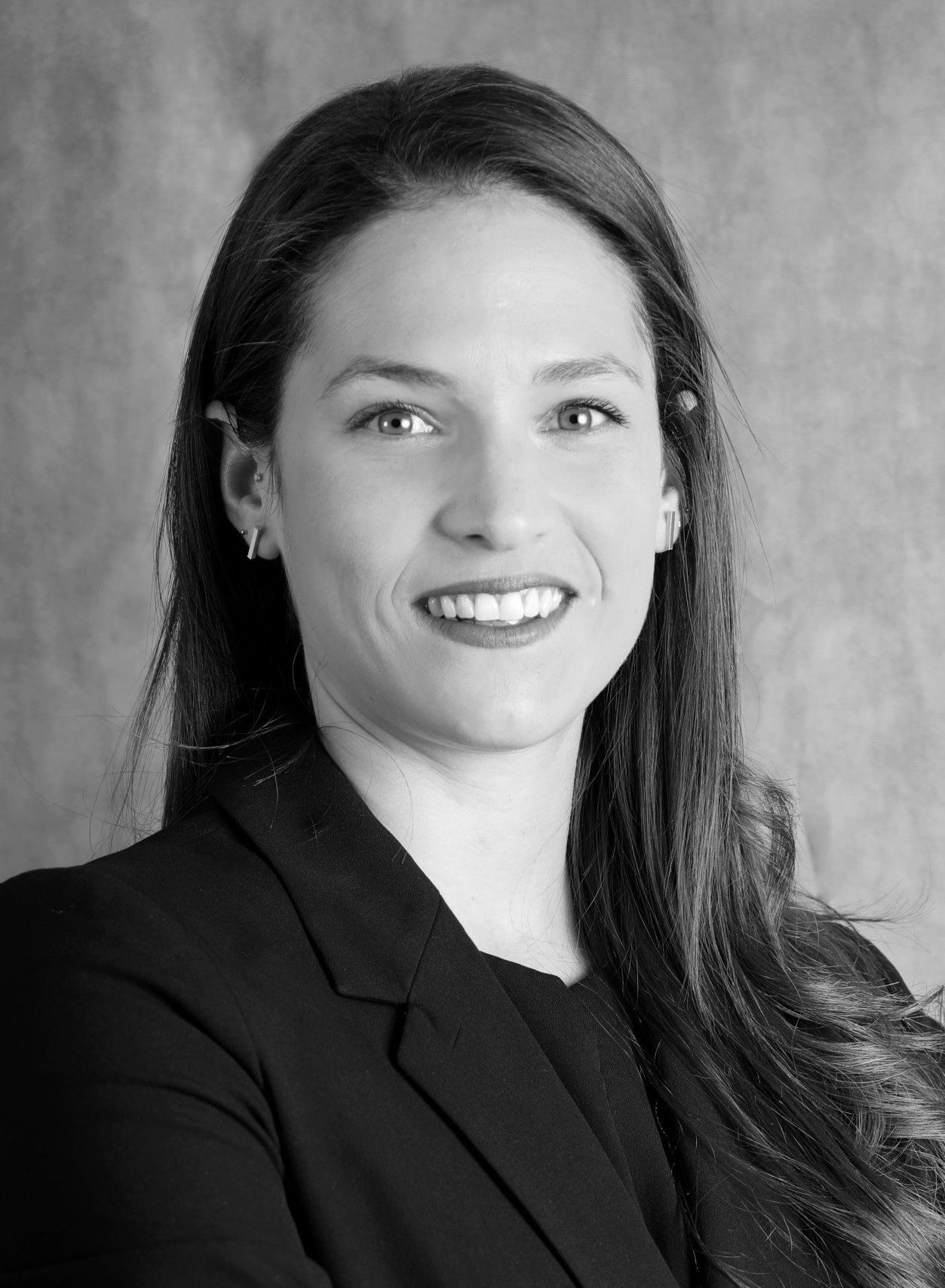
Flavia Santos Lloyd, Esq.

Managing Partner

Attorney Flavia Santos Lloyd is passionate about immigration law and the community she serves. As an immigrant herself, Ms. Santos Lloyd can relate to her clients’ experience during the immigration process. With focus on quality customer service, zealous and diligent representation of her clients, and a proven track record, she has served a wide range of her clients’ immigration needs.

 

Ms. Santos Lloyd is a Certified Specialist in Immigration and Nationality Law by the State Bar of California and a member of the American Immigration Lawyers Association (AILA), the American Bar Association (ABA), Orange County and Los Angeles County Bar Associations, Orange County Hispanic Bar Association, among other organizations, and she is an active member of the State Bar of California.

VIEW MORE

Kris Quadros-Ragar, Esq.

Partner

Attorney Kris Quadros-Ragar is enthusiastic and dedicated to helping others pursue their dreams through immigration. An immigrant herself, Kris brings a deeply personal perspective to her work, rooted in both lived experience and a rich international academic background. She holds a Law Degree from the Federal University of Santa Catarina (UFSC) in Brazil and a Master of Laws (LL.M.) with a certificate in Business Law from the prestigious University of Southern California (USC) Gould School of Law in Los Angeles.

Before joining Santos Lloyd Law, Kris served as an associate attorney at a boutique trust and estates law firm in California. Her exposure to complex legal strategies, combined with her familiarity with federal agency requirements and procedures, in addition to her own journey navigating the U.S. immigration system, inspired her to focus her career on immigration law.

Serving as the strategy attorney for the firm’s employment-based immigration department, Kris leads with precision, thoughtfulness, and creativity. Her practice focuses on representing individuals of extraordinary and exceptional ability, including artists across a wide range of disciplines, professional athletes, seasoned entrepreneurs, and innovators launching startups in the United States.

Kris is admitted to the State Bar of California and is a proud member of the American Immigration Lawyers Association (AILA).

VIEW MORE
Angelica Rice, Esq.
Senior Associate Attorney
Meet Angelica
April Perez, Esq.
Senior Associate Attorney
Meet April
Denice Flores, Esq.
Senior Associate Attorney
Meet Denice
Shirin Navabi, Esq.
Associate Attorney
Meet Shirin
 Juliana LaMendola, Esq.
Associate Attorney
Meet Juliana
John Montesanti, Esq.
Of Counsel Attorney
Meet John

Fabiana Araujo, Esq.

Of Counsel Attorney

Meet Fabiana
Flavia Santos Lloyd Approaches clients with empathy and a growth mindset
MORE MEDIA

We're Social

Keep Up-To-Date With Us 


Contact Us

We Can Help You!

Flavia Santos Lloyd
Rated by Super Lawyers


loading ...