


U.S. Tax Requirements for U.S. Tax Residents.
Olga Guzhva • January 11, 2024

When considering immigration to the United States, people often search for the ins and outs of the varied visa options, cost of leaving, education opportunities for kids, but they seldom inquire about the implications of the U.S. taxation. If you do a Google search about U.S. immigration, you’d come across a lot of information about varied visas and their eligibility requirements, the process of obtaining a green card or naturalization, and so on. The information about U.S. tax rules would not appear in your Google search unless you specifically search for it.
- As part of your immigration planning, it is very important to be aware of and understand the U.S. tax obligations, specifically if you have assets in your home country.
- Additionally, if you decide to open your new U.S. business and apply for an immigrant visa, such as EB-1 or EB-2 NIW, or a non-immigrant visa, such as E-2 or L-1, you’d also want to know what taxes you and your business entity would be required to pay.
- Even if you don’t immigrate to the United States but choose to work there based on a temporary nonimmigrant visa, you may be subject to U.S. taxation.
In general, (1) U.S. tax residents are taxed in the same manner as U.S. citizens - on their worldwide income, while (2) nonresidents are generally taxed on U.S. source income and income effectively connected with U.S. trade or business.
Income of residents is subject to the graduated tax rates that apply to U.S. citizens. Residents use the Tax Table and Tax Rate Schedules which apply to U.S. citizens found in the Instructions for Form 1040 and Form 1040-SR2.
Residency Under U.S. Tax Law
Taxation of an individual who is not a U.S. citizen or U.S. national is dependent on the residency status of such individual.
If you are a U.S. resident, you must report all interest, dividends, wages, or other compensation for services, income from rental property or royalties, and other types of income on your U.S. tax return. You must report
these amounts whether they are earned within or outside
the United States.
Note:
U.S. resident for immigration purposes is not always the same as US resident for tax purposes.
Who is the U.S. Tax Resident?
- U.S. citizen is a US resident for U.S. income tax purposes.
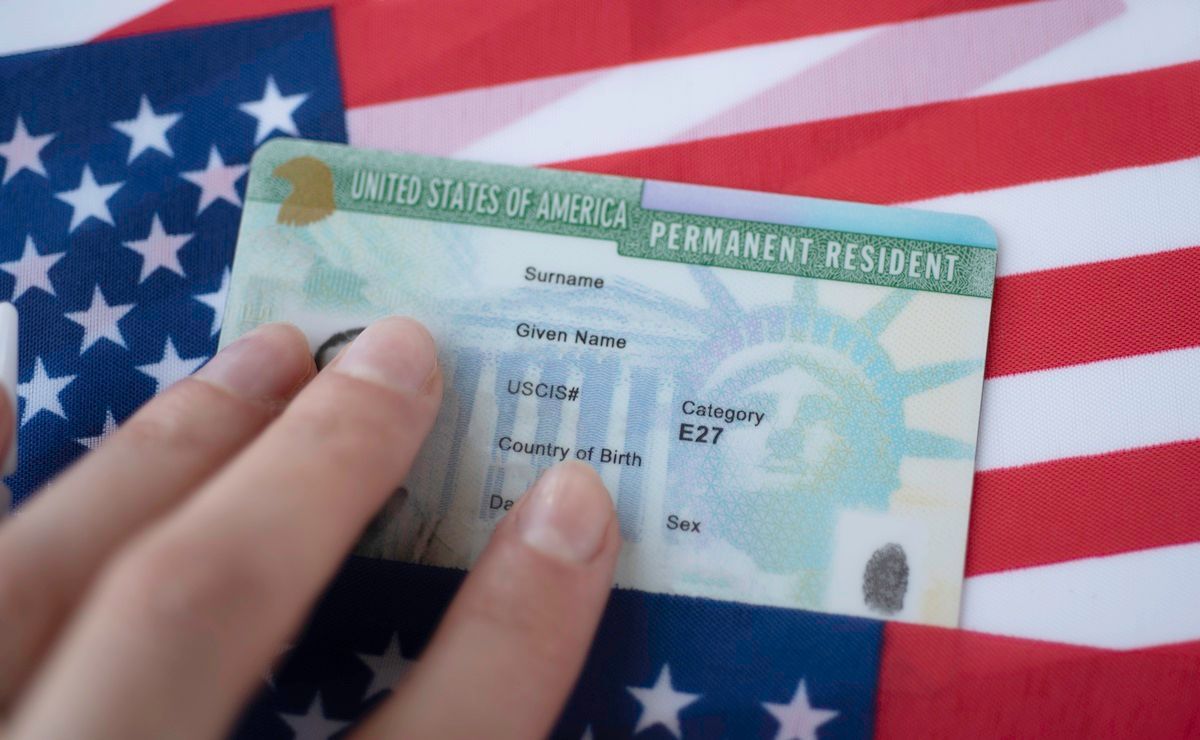
- An immigrant who obtains a green card is treated as a lawful permanent resident for immigration purposes and is considered a U.S. tax resident for U.S. income tax purposes.
- Foreign national could be a U.S. resident for U.S. income tax purposes under the substantial presence test.
- Foreign nationals may choose to be treated as dual status residents for this taxable year if certain tests are met. To learn more, refer to Publication 519, U.S. Tax Guide for Aliens.
- You are a dual-status individual when you have been both a U.S. resident and a nonresident in the same tax year.
- Dual status does not refer to your citizenship, only to your resident status for tax purposes in the United States.
- In determining your U.S. income tax liability for a dual-status tax year, different rules apply for the part of the year you are a resident of the United States and the part of the year you are a nonresident. The most common dual-status tax years are the years of arrival and departure.
When planning your immigration to the United States, smart strategic planning of your immigration process, as well as evaluating your future U.S. tax obligations, are essential to your piece of mind in avoiding any pit falls and issues in dealing with the IRS. Navigating the complexities of the U.S. immigration and tax laws often requires professional legal guidance. Seeking assistance from an experienced immigration attorney well versed in U.S. taxation can significantly enhance the chances of your successful immigration planning, ensuring compliance with these intricate regulations and requirements.
If you have any questions about what this means for you, please schedule a consultation with one of our experienced attorneys.
We look forward to working with you!
This blog is not intended to be legal advice and nothing here should be construed as establishing an attorney client relationship. Please schedule a consultation with an immigration attorney before acting on any information read here.
Receiving a two-year green card through marriage is an important step, but it leaves another process ahead: removing the conditions on permanent residence. For couples preparing a joint Form I-751 petition, understanding the filing window and organizing evidence early can make the preparation more manageable. The starting point is your own record. Locate the green card, the notice granting residence, and copies of the earlier immigration filing. Check the date conditional residence began and the card’s expiration date. Do not calculate the next deadline solely from your wedding anniversary or the date an attorney first submitted your case. Understand the joint filing window Under 8 CFR 216.4 , a joint I-751 petition generally must be filed during the 90-day period immediately before the second anniversary of obtaining conditional permanent residence. This is a window before that anniversary, not an additional 90 days after the card expires. Preparing early and filing early are different things. You can begin gathering records well before the window opens, while coordinating the correct submission date with your attorney. A joint petition also requires the appropriate signatures, fee, and supporting documentation. Confirm the current form instructions, accepted filing method, and applicable fee when the case is ready to submit. Build a record of the marriage over time The regulation identifies several types of evidence that may help show the marriage was not entered into to evade immigration law: jointly owned property, a lease for a shared home, combined financial resources, children’s birth certificates, and statements from people with personal knowledge of the relationship. These examples do not mean every couple must have a mortgage, joint accounts, or children. The evidence should accurately reflect your circumstances. A clear explanation of how you manage your household can be more useful than forcing your relationship into a checklist that does not fit. As a practical preparation step, organize records by date and type. Review whether they help explain the course of the marriage, rather than collecting only documents created shortly before filing. Flag separate addresses, name changes, or gaps in the records for your attorney. Never alter a document to make the history appear simpler. Tell your attorney if circumstances change This article addresses joint filing. Divorce, the death of a spouse, abuse, or other significant changes may require a different filing basis or an individualized assessment. Separate waiver provisions exist, with their own requirements. A spouse’s unwillingness to sign does not, by itself, establish eligibility for every waiver. Do not assume that the joint 90-day window answers every question about a non-joint case. If the relationship changes while preparing the petition or while it is pending, inform counsel promptly. You should not need to invent a continuing relationship to seek advice about the options that may actually apply. Keep tracking the case after submission The regulation provides that conditional resident status is automatically extended, when necessary, upon receipt of a properly filed I-751 until adjudication. Proof of that status is a separate practical matter: keep the receipt notice and have counsel review its wording before relying on it for travel or employment documentation. This article does not promise a particular receipt-extension period or processing time. A missed deadline calls for prompt legal attention. The regulation allows some late joint filings where USCIS accepts a written showing of good cause, but acceptance is not automatic. Do not assume a late petition cures the problem without further review. Santos Lloyd Law Firm, P.C. can help you assess the filing window, organize relevant evidence, and identify changes that may affect your I-751 strategy. Contact the firm early enough to review the facts before the deadline approaches.

October begins a new federal fiscal year, but that does not mean every green card applicant moves to the front of the line. The Department of State’s October 2026 Visa Bulletin sets out the visa availability that applicants in family-sponsored and employment-based preference categories need to review this month.

Santos Lloyd Law Firm takes great pride in announcing that Partner Flavia Santos Lloyd has been invited to join the Fellows of the American Bar Foundation. As a highly selective global network, the organization recognizes legal professionals across both the public and private sectors who embody the absolute highest standards of the practice. Admission to this distinguished group highlights Flavia’s outstanding legal career, professional integrity, and deep impact on the legal community. Our team celebrates Flavia on this well-deserved recognition!
