

Últimas Notícias: Mudanças nas Dispensas de Entrevistas para Certos Solicitantes de Visto Não Imigrante
John Montesanti • May 2, 2024

Click here to read this article in English
Em um desenvolvimento recente que impacta significativamente o cenário da imigração, o Secretário de Estado, em consulta com o Departamento de Segurança Interna, anunciou atualizações cruciais para o processo de dispensa de entrevistas para certos solicitantes de visto não imigrante. Esta atualização, em vigor a partir de 1º de janeiro de 2024, reflete o compromisso do governo em simplificar os processos enquanto prioriza os interesses nacionais.
O Que Isso Significa?
Essa mudança permite aos oficiais consulares mais autoridade e discrição para dispensar à entrevista presencial para certos solicitantes de visto não imigrante.
Quem se Beneficia da Dispensa à Entrevista?
1.
Solicitantes de Visto H-2 pela Primeira Vez:
- Isso inclui trabalhadores temporários agrícolas e não agrícolas.
- Aqueles que foram anteriormente emitidos um visto não imigrante em qualquer classificação, exceto para vistos B.
- Solicitantes que aplicam dentro de 48 meses da data de vencimento de seu visto não imigrante mais recente.
Condições-Chave para a Elegibilidade da Dispensa à Entrevista:
Para ser elegível para uma dispensa à entrevista, os solicitantes devem atender a requisitos legais específicos. Estes incluem:
- Aplicar em seu país de nacionalidade ou residência.
- Nunca ter tido um visto negado, a menos que tal recusa tenha sido superada ou dispensada.
- Não ter nenhuma inelegibilidade aparente ou potencial.
Implementação e Duração:
A autoridade para dispensar entrevistas presenciais está programada para começar em 1º de janeiro de 2024 e passará por revisões anuais. Importante ressaltar que essa política permanecerá em vigor até novo aviso.
Renovações dentro de 48 Meses:
Os solicitantes que renovam um visto não imigrante na mesma classificação dentro de 48 meses da data de vencimento do visto anterior continuarão sendo elegíveis para dispensas de entrevistas até novo aviso.
Discrição Consular e Caso a Caso:
Embora os oficiais consulares agora tenham a discrição para dispensar às entrevistas, eles ainda podem exigir entrevistas presenciais caso a caso ou devido a condições locais.
Mantenha-se Informado e Planeje Adequadamente:
À medida que essas mudanças entram em vigor, é essencial que os solicitantes se mantenham informados sobre o status operacional e os serviços da embaixada. Portanto, os solicitantes são incentivados a verificar regularmente os sites da embaixada e dos consulados para obter as informações mais atualizadas e detalhes sobre requisitos e procedimentos de solicitação de visto.
Conclusão:
Este último desenvolvimento é um passo positivo para facilitar um processo de inscrição de visto mais eficiente para categorias específicas de não imigrantes.
Para orientação personalizada sobre seus assuntos de imigração ou para entender como essas mudanças podem afetar seu caso específico, por favor, entre em contato com nossa equipe jurídica especializada da Santos Lloyd Law Firm.
Este blog não se destina a fornecer aconselhamento jurídico e nada aqui deve ser interpretado como estabelecimento de um relacionamento advogado-cliente. Por favor, agende uma consulta com um advogado de imigração antes de agir com base em qualquer informação lida aqui.
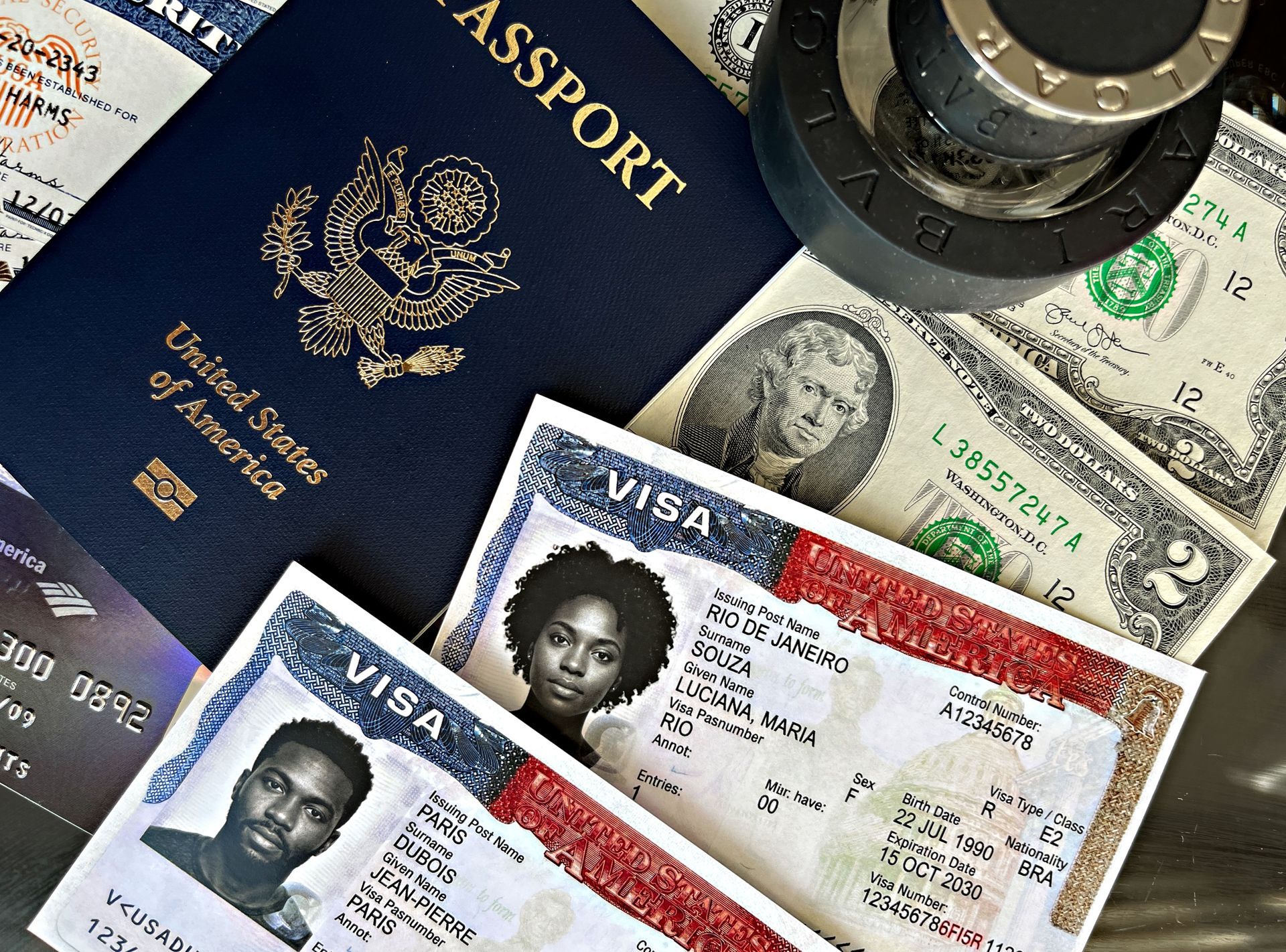
October begins a new federal fiscal year, but that does not mean every green card applicant moves to the front of the line. The Department of State’s October 2026 Visa Bulletin sets out the visa availability that applicants in family-sponsored and employment-based preference categories need to review this month.
Santos Lloyd Law Firm takes great pride in announcing that Partner Flavia Santos Lloyd has been invited to join the Fellows of the American Bar Foundation. As a highly selective global network, the organization recognizes legal professionals across both the public and private sectors who embody the absolute highest standards of the practice. Admission to this distinguished group highlights Flavia’s outstanding legal career, professional integrity, and deep impact on the legal community. Our team celebrates Flavia on this well-deserved recognition!

On September 14, 2026, the U.S. District Court for the District of Massachusetts issued a nationwide preliminary injunction in Presidents' Alliance on Higher Education and Immigration v. U.S. Department of Homeland Security , halting the implementation of the Department of Homeland Security (DHS) final rule that was scheduled to eliminate “duration of status” (D/S) on September 15, 2026. As a result of this nationwide order, DHS is blocked from enforcing fixed periods of admission for F-1 students, J-1 exchange visitors, and I media representatives while the litigation moves forward. Because the current “duration of status” framework remains in full effect, F, J, and I visa holders are not required to file Form I-539 extension of stay applications to remain in valid status beyond program end dates at this time. Furthermore, restrictions on academic transfers, constraints on enrolling in second programs at the same degree level, 240-day caps on continued employment while extensions are pending, and shortened grace periods do not apply during the injunction. F-1 nonimmigrants retain the full 60-day post-completion grace period, and J-1 holders maintain their 30-day grace period. However, please note that this preliminary injunction is not a final ruling invalidating the rule , and a status conference is scheduled for October 2, 2026, to determine next steps in the litigation. Immediate Practice Tips: Inspect I-94 Travel Records Upon Reentry: F, J, and I visa holders currently admitted under D/S retain their status and should continue to be readmitted under D/S following international travel until the injunction is lifted. However, because the I-94 record controls legal stay, travelers must inspect their CBP-issued Form I-94 immediately upon reentry to confirm the "Admit Until Date" states "D/S" rather than a specific expiration date. If a specific date is mistakenly recorded, contact a local CPB Deferred Inspection Site. Notify HR and Review Workplace Compliance: Employers sponsoring F-1 or J-1 employees should inform HR and hiring managers that the September 15 fixed-period rule is postponed and standard D/S rules govern. This development does not alter standard filing windows or Form I-9 verification procedures for post-completion OPT or STEM OPT extensions. Maintain Operational Readiness and Defer Unnecessary Filings: Visa holders and employers should defer travel or filing strategy decisions made solely in anticipation of the fixed-admission rule. Because DHS may appeal or the court could alter the timeline on short notice, institutions and visa holders should maintain readiness to adjust plans if implementation resumes. There are many evolving components to this litigation. If you are an F-1, J-1, or I visa holder, sponsoring institution, or employer, you should proactively coordinate with your international student office and legal counsel to protect your status and monitor upcoming court proceedings.
