

A diferença entre aplicar para o visto O estando nos Estados Unidos ou no exterior
April Perez • September 8, 2022
Click here to read this article in English

Se você
estiver nos Estados Unidos e decidir mudar seu status do seu visto atual para o visto O, você precisará preencher os formulários apropriados, apresentar todas as evidências necessárias e apresentar a petição junto com as taxas da imigração. Se você estiver nos Estados Unidos e pretender ficar até que o caso seja decidido, você pode fazer dessa forma, informando na petição. Depois de apresentar a petição, você precisará ficar nos EUA até sair a decisão. Se durante o período que espera a resposta você precisar sair do país, seu pedido será automaticamente cancelado e precisará reaplicar enquanto estiver no exterior, fazendo todo o processo novamente.
Se o seu caso for aprovado, receberá uma carta de aprovação e poderá usar essa carta para aplicar para o cartão do seguro social (social security card). A carta de aprovação é a prova de autorização de trabalho do seu visto O. Não há necessidade de sair dos Estados Unidos para validar o visto O. Mas, se precisar viajar para fora dos EUA, terá que preencher o formulário DS-160 online para marcar uma entrevista no consulado e ter o visto emitido no seu passaporte, para que possa retornar para os Estados Unidos. Esse processo é separado da aplicação do visto O, feito nos Estados Unidos.

Estando
fora dos E.U.A., caso você queira aplicar para o visto O, ainda precisará apresentar uma petição com os formulários apropriados, todas as evidências necessárias e pagar as taxas. Se o caso for aprovado, você poderá fazer o formulário DS-160 online e marcar a entrevista no consulado para ter o visto emitido no seu passaporte. Uma vez recebendo o visto, você poderá viajar para os Estados Unidos. Dependendo do seu país de origem, alguns vistos podem ser para um período mais curto. Embora a carta de aprovação possa valer por três anos, o visto em si pode ser por um período menor. Se você precisar viajar durante a duração do visto O, existe a possibilidade de precisar marcar mais de uma entrevista para ter um novo visto emitido no seu passaporte.
Este pode ser um processo confuso e ter a ajuda de um advogado de imigração é recomendado. Fique à vontade para contatar nosso escritório, se achar que possa ser elegível para esse tipo de visto.
Este blog não se destina a oferecer aconselhamento jurídico e nada aqui deve ser interpretado como estabelecimento de uma relação cliente-advogado. Por favor, agende uma consulta com um advogado de imigração, antes de agir baseado em qualquer informação lida neste blog.
This Facebook widget is no longer supported.
Similar Posts

Navigating the immigration landscape as a professional athlete can feel as demanding as a championship final, but understanding the P-1A visa can help you to plan ahead and successfully petition USCIS when the time comes to apply. For individual athletes like surfers, Rodeo cowboys, or Brazilian Jiu-Jitsu fighters, the P-1A serves as the primary gateway to competing in the United States. While it is often compared to the O-1 visa, the P-1A has a distinct threshold that is more easily accessible than the O-1; rather than proving "extraordinary ability," you must demonstrate "international recognition". This means your achievements must be renowned or leading in more than one country, showcasing a level of skill that is substantially above the ordinary. For those competing in individual sports, the spotlight is entirely on your personal accolades and standing rather than a team or league’s reputation as in the case of a team sport athlete. You must show that you are personally well-known within your sport across multiple countries, and that the U.S. events you intend to enter typically draw other internationally recognized participants. One of the most significant advantages for the solo competitor is the duration of stay, as individual athletes can often secure a P-1 visa for an initial period of up to five years, which can eventually be extended to a total of ten. This stands in stark contrast to team athletes, who are generally limited to the duration of a specific season or contract with a team. If you are looking to be proactive about your future eligibility, you should treat your career milestones as a collection of evidence for the "Two-Out-of-Seven" rule used by USCIS. To qualify, you must provide evidence satisfying at least two of the following seven criteria: Evidence of having participated to a significant extent in a prior season with a major U.S. sports league. Evidence of participation in an international competition with a national team. Evidence of having participated to a significant extent in a prior season for a U.S. college or university in intercollegiate competition. A written statement from an official of a major U.S. sports league or the governing body of the sport detailing your international recognition. A written statement from a member of the sports media or a recognized expert. Evidence that you or your team is ranked, if the sport has international rankings. Evidence that you or your team has received a significant honor or award in the sport. Building your resume with these specific benchmarks in mind is essential. Here are some suggestions to help an individual sport athlete to meet these criteria and successfully qualify for a P-1A visa: First, you should actively seek opportunities to represent your national team or strive for high international rankings , as these are concrete proof of your standing. If you are working with an immigration attorney, make sure they have a clear understanding of your sport, how its governing body determines rankings, and the significance of your accomplishments- successfully showing USCIS why your rankings or results indicate you are performing at an elite and internationally recognized level is key to a successful outcome. Beyond the trophies, your professional network plays a crucial role ; cultivating relationships with recognized experts or sports media members who can provide written statements will significantly strengthen your future petition. Major media articles that discuss your accomplishments or explain the significance of competitions or rankings you feature in, can also have a strong positive impact on your case. As you prepare, remember that every petition also requires a formal consultation letter from an appropriate labor organization , if one exists that covers your sport. A good immigration attorney will help you to identify the appropriate labor organization and engage with them on your behalf to secure the consultation letter you need. Generally, they will want to see the same evidence that USCIS will be evaluating, and they may need some time to review your petition prior to issuing you a consultation letter. Finally, you will also need a written contract with an employer or agent within the United States, and a detailed itinerary of the events where you will perform . Your immigration attorney can also help you to structure your contract with your agent or employer, and guide you in creating an itinerary based on the events or competitions you will participate in. While every individual sport is different, USCIS will want to see that you have set up a structure that will pay you a living wage to perform your sport, and that you have planned out an itinerary of competitions or events in sufficient detail that covers the entire period of time for which you are requesting the P-1A visa. At Santos Lloyd Law Firm, P.C., we are experienced in helping talented individuals who are accomplished in many different sports to continue their careers here in the United States. If you are such an athlete interested in competing here, please contact us, and we will be happy to discuss your case.

If you've made it to the United States as a culinary professional—perhaps on an O-1B visa that recognizes your extraordinary talent, or a P-3 visa for sharing your rich culinary heritage—congratulations! You’ve already proven yourself as a standout in your craft. But what if we told you that your journey doesn’t have to end when your temporary visa does? In fact, your current status could be the perfect stepping stone to something much more lasting: a green card through the EB-1A category. The EB-1A visa is a first-preference employment-based immigrant visa, designed for individuals with “ extraordinary ability ” in fields such as the arts, sciences, education, business, or athletics. And yes—culinary arts absolutely count. The key is demonstrating that your skills have risen to the very top of your field. If you've already gone through the O-1 or P-3 process, you're likely well on your way . Here’s the good news: much of the evidence used to obtain your O-1B or P-3 visa can be repurposed for your EB-1A petition . Awards, press features, expert testimonials, and proof of your work in prestigious kitchens or at cultural events—they're all valuable again. But what’s even more exciting is that everything you’ve accomplished while in the U.S. on your temporary visa—whether launching a signature tasting menu, starring in a food documentary, or leading culinary workshops—can now be used to further strengthen your case. According to USCIS, EB-1A applicants must meet at least three of ten criteria unless they’ve received a major internationally recognized award. These criteria include things like published material about your work, original contributions of major significance, high salary, and a critical role in distinguished organizations. For many chefs, especially those who’ve thrived in the U.S. hospitality scene, it’s absolutely achievable with the right guidance. What sets the EB-1A apart is that it does not require an employer sponsor . That’s right—you can self-petition! This means your culinary career can be as flexible and entrepreneurial as you want it to be, whether that means opening your own restaurant, expanding into media, or continuing to cook your way into America’s heart. Even better? It can be one of the fastest paths to a green card available. With premium processing, your I-140 petition can be adjudicated within just 15 business days. And if your country’s EB-1 visa category is current on the visa bulletin at the time of approval, you may be eligible to file your green card application immediately. This combination of speed, autonomy, and flexibility makes EB-1A an incredibly attractive next step in your immigration journey. At Santos Lloyd Law Firm, we love helping creative professionals take their next big step. If you’ve already wowed the world with your cuisine, the EB-1A may be your opportunity to stay and make your mark for good. Contact us today to find out if the EB-1A is the next right step for you!
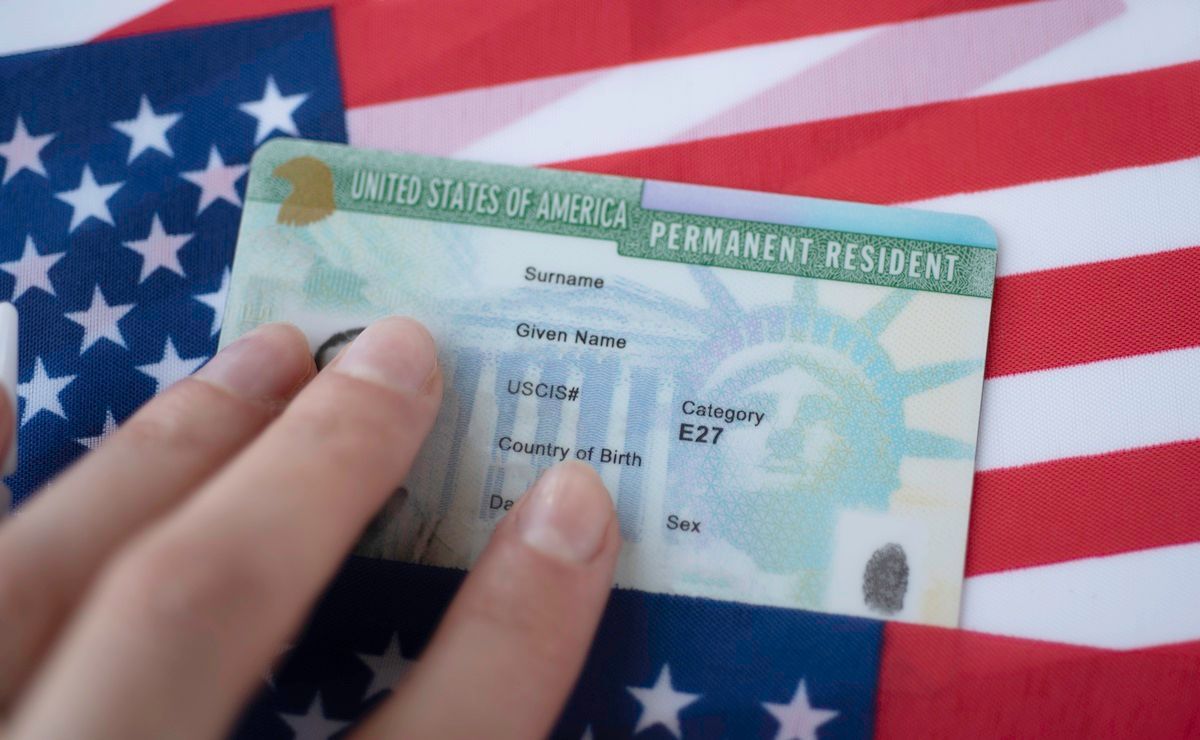
Receiving a two-year green card through marriage is an important step, but it leaves another process ahead: removing the conditions on permanent residence. For couples preparing a joint Form I-751 petition, understanding the filing window and organizing evidence early can make the preparation more manageable. The starting point is your own record. Locate the green card, the notice granting residence, and copies of the earlier immigration filing. Check the date conditional residence began and the card’s expiration date. Do not calculate the next deadline solely from your wedding anniversary or the date an attorney first submitted your case. Understand the joint filing window Under 8 CFR 216.4 , a joint I-751 petition generally must be filed during the 90-day period immediately before the second anniversary of obtaining conditional permanent residence. This is a window before that anniversary, not an additional 90 days after the card expires. Preparing early and filing early are different things. You can begin gathering records well before the window opens, while coordinating the correct submission date with your attorney. A joint petition also requires the appropriate signatures, fee, and supporting documentation. Confirm the current form instructions, accepted filing method, and applicable fee when the case is ready to submit. Build a record of the marriage over time The regulation identifies several types of evidence that may help show the marriage was not entered into to evade immigration law: jointly owned property, a lease for a shared home, combined financial resources, children’s birth certificates, and statements from people with personal knowledge of the relationship. These examples do not mean every couple must have a mortgage, joint accounts, or children. The evidence should accurately reflect your circumstances. A clear explanation of how you manage your household can be more useful than forcing your relationship into a checklist that does not fit. As a practical preparation step, organize records by date and type. Review whether they help explain the course of the marriage, rather than collecting only documents created shortly before filing. Flag separate addresses, name changes, or gaps in the records for your attorney. Never alter a document to make the history appear simpler. Tell your attorney if circumstances change This article addresses joint filing. Divorce, the death of a spouse, abuse, or other significant changes may require a different filing basis or an individualized assessment. Separate waiver provisions exist, with their own requirements. A spouse’s unwillingness to sign does not, by itself, establish eligibility for every waiver. Do not assume that the joint 90-day window answers every question about a non-joint case. If the relationship changes while preparing the petition or while it is pending, inform counsel promptly. You should not need to invent a continuing relationship to seek advice about the options that may actually apply. Keep tracking the case after submission The regulation provides that conditional resident status is automatically extended, when necessary, upon receipt of a properly filed I-751 until adjudication. Proof of that status is a separate practical matter: keep the receipt notice and have counsel review its wording before relying on it for travel or employment documentation. This article does not promise a particular receipt-extension period or processing time. A missed deadline calls for prompt legal attention. The regulation allows some late joint filings where USCIS accepts a written showing of good cause, but acceptance is not automatic. Do not assume a late petition cures the problem without further review. Santos Lloyd Law Firm, P.C. can help you assess the filing window, organize relevant evidence, and identify changes that may affect your I-751 strategy. Contact the firm early enough to review the facts before the deadline approaches.
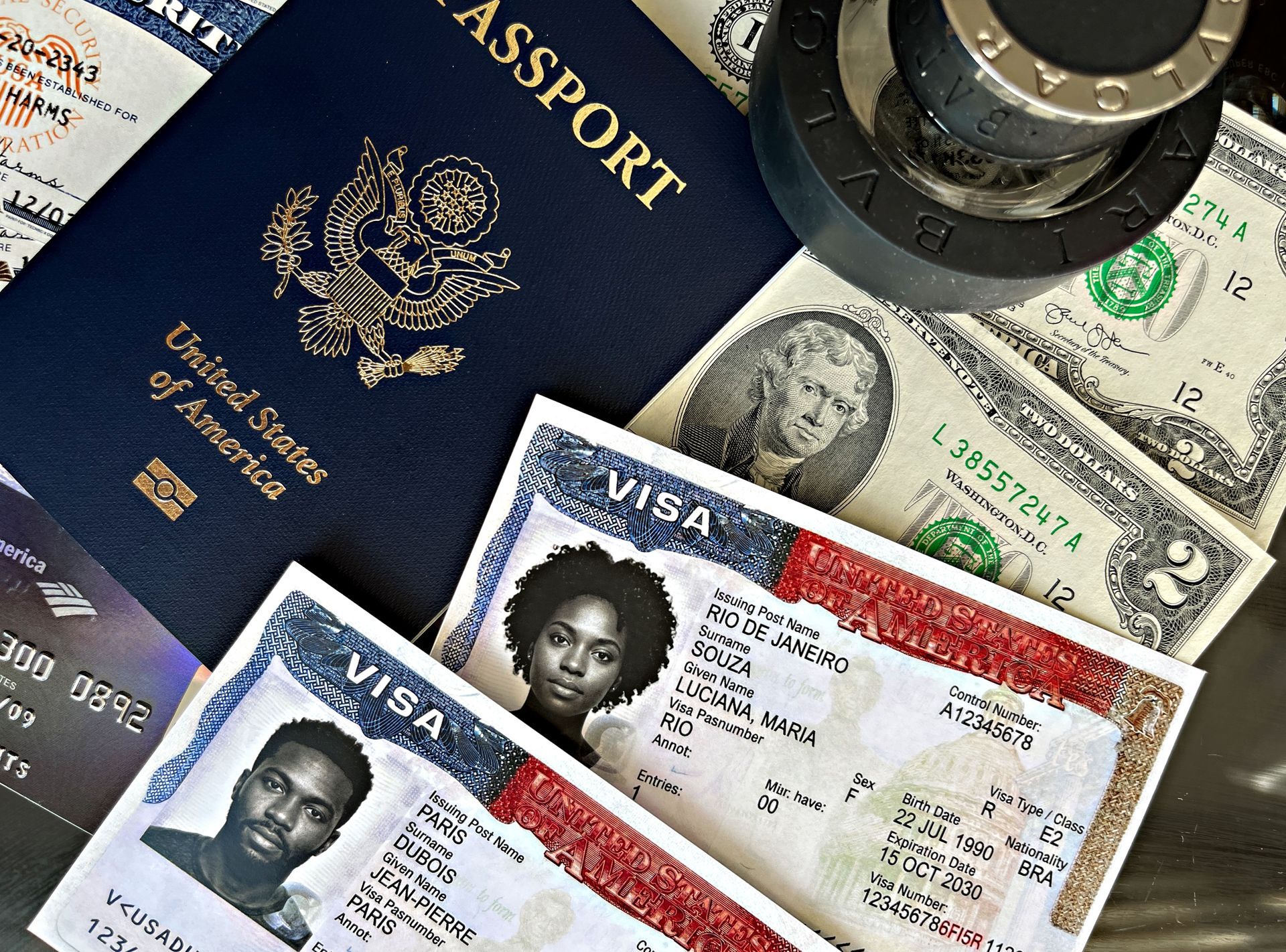
October begins a new federal fiscal year, but that does not mean every green card applicant moves to the front of the line. The Department of State’s October 2026 Visa Bulletin sets out the visa availability that applicants in family-sponsored and employment-based preference categories need to review this month.
Santos Lloyd Law Firm takes great pride in announcing that Partner Flavia Santos Lloyd has been invited to join the Fellows of the American Bar Foundation. As a highly selective global network, the organization recognizes legal professionals across both the public and private sectors who embody the absolute highest standards of the practice. Admission to this distinguished group highlights Flavia’s outstanding legal career, professional integrity, and deep impact on the legal community. Our team celebrates Flavia on this well-deserved recognition!
