


Lettres de recommandation pour les demandeurs de visa O-1 : comment choisir des personnes de référence qui renforceront votre dossier pour obtenir un visa « pour compétences exceptionnelles »
Joseph Lennarz • April 23, 2026

Click here to read this article in English
Le choix des bonnes personnes pour fournir des lettres de recommandation est l'une des étapes les plus cruciales pour monter un dossier de demande de visa O-1. Les critères d'obtention de ce visa sont très stricts : vous devez non seulement être un professionnel accompli dans votre domaine, mais aussi figurer parmi l'élite de vos pairs. Les lettres de recommandation constituent le fil conducteur d'une demande de visa O-1, transformant une simple liste de distinctions en un récit convaincant de réalisations exceptionnelles. Alors que les récompenses et les coupures de presse prouvent que vous avez accompli quelque chose, les lettres de recommandation fournissent le témoignage d'experts nécessaire pour expliquer pourquoi cela avait de l'importance.
Aux yeux de l'USCIS, ces lettres servent de preuves qui replacent votre travail dans le contexte plus large de votre secteur d'activité, apportant une nuance et une crédibilité qui vont au-delà des faits objectifs de votre parcours professionnel. Sans elles, l'agent chargé de l'examen doit interpréter des étapes professionnelles complexes dans le vide ; avec elles, vous disposez d'un panel d'experts qualifiés certifiant que vous n'êtes pas seulement compétent, mais extraordinaire et indispensable dans votre domaine. En bref, elles sont la « voix » de votre demande, validant votre statut de personne aux capacités extraordinaires.
Si vous commencez à identifier vos référents, voici quatre qualités essentielles que vous devez rechercher chez un contact.
1. Grande visibilité auprès du public
Aux yeux de l'USCIS, le statut de la personne qui fournit la recommandation reflète souvent celui du demandeur. Les agents de l'USCIS examineront minutieusement chaque aspect de votre demande, ce qui inclut la vérification de vos références. Si la personne qui fournit la recommandation est facilement identifiable en raison d'une grande notoriété publique, notamment grâce à ses réalisations, il est plus facile de vérifier que son opinion à votre sujet, en tant que candidat, mérite d'être prise au sérieux et de lui accorder davantage de poids.
Recherchez des personnes qui ont une « notoriété publique ». Cela peut signifier :
- Elles sont fréquemment citées dans les grands médias.
- Elles ont un nombre important d'abonnés sur les réseaux sociaux ou jouissent d'une reconnaissance à l'échelle du secteur.
- Elles ont remporté des prix prestigieux (Oscars, Grammys, Pulitzers, etc.) ou détiennent des titres prestigieux.
- Leur nom est synonyme de réussite dans votre domaine spécifique.
Lorsqu’un responsable voit un en-tête provenant d’une entité mondialement reconnue ou la signature d’une personnalité célèbre, cela donne immédiatement le ton : vous êtes un candidat qui mérite d’être évalué, et les mots qu’ils ont écrits en votre faveur pèseront fortement dans la décision du responsable.
2. Réalisations significatives dans le domaine
La personne qui vous recommande doit être un « expert » à part entière, quelle que soit la signification de ce terme dans votre domaine spécifique. L'USCIS a besoin de savoir que la personne qui vous fait l'éloge est réellement qualifiée pour évaluer votre talent et qu'elle sait faire la différence entre quelqu'un qui a simplement fait ses preuves dans le domaine et quelqu'un qui a atteint les sommets de sa profession.
Idéalement, votre interlocuteur devrait être plus expérimenté ou plus accompli que vous. Il devrait avoir un parcours professionnel irréprochable. Cependant, il n'est pas nécessaire qu'il occupe exactement le même poste que vous. Il peut exercer dans un domaine connexe, à condition d'être en mesure d'évaluer votre travail. Par exemple, si vous êtes artiste en effets visuels, un réalisateur de cinéma renommé ou un producteur senior serait parfaitement qualifié pour évaluer votre contribution à une production.
3. Une relation professionnelle ou personnelle solide
L'une des erreurs les plus courantes commises par les candidats au visa O-1 est de solliciter des « grands noms » qui ne les connaissent pas réellement. Une lettre générique rédigée par une célébrité qui ne vous a jamais rencontré sera probablement considérée comme un « modèle standard ».
Les lettres les plus convaincantes proviennent de personnes capables de parler de votre travail de manière précise, car elles ont travaillé directement avec vous dans un contexte professionnel. Vous devriez rechercher des contacts qui vous connaissent grâce à :
- Une longue histoire personnelle : une personne qui vous a guidé ou qui a suivi votre parcours professionnel pendant des années, et qui peut ainsi attester de votre évolution professionnelle et de votre trajectoire d'élite au fil du temps.
- Une collaboration directe : une personne qui a travaillé à vos côtés dans un contexte professionnel et qui a été témoin direct de votre impact en tant que professionnel, car elle était elle-même directement impliquée dans le projet ou l'objectif sur lequel vous travailliez. Cela peut également inclure des pairs contre lesquels vous avez concouru, si vous êtes un athlète.
Vos lettres de recommandation doivent décrire des exemples précis où vos compétences et vos réalisations ont brillé, ou où vous et votre référent avez travaillé ensemble pour atteindre un objectif. Ce niveau de détail vient naturellement lorsque votre référent vous connaît vraiment en tant que professionnel, grâce à une connaissance approfondie de votre travail ou à une expérience directe avec vous en tant que professionnel.
4. Une volonté de défendre votre candidature avec ferveur
C'est sans doute la qualité la plus sous-estimée chez une personne chargée de rédiger une lettre de recommandation. Vous ne voulez pas d'un contact qui se contente de « confirmer les faits ». Une lettre qui se limite à énoncer des faits et à offrir une validation standard de vos compétences et de vos réalisations ne parviendra pas à convaincre le responsable que vous êtes véritablement exceptionnel.
Vous devriez rechercher des personnes de référence prêtes à se montrer enthousiastes. Elles doivent être prêtes à utiliser un langage fort — des mots tels que « indispensable », « sans égal », « de classe mondiale » et « pionnier ». Il s'agit d'un visa destiné à des professionnels aux réalisations exceptionnelles, et pour que vos références soient efficaces, leurs mots doivent convaincre l'agent que vous êtes vraiment extraordinaire. Si une personne de référence hésite à fournir une recommandation élogieuse et pleine d'énergie, elle n'est peut-être pas le bon choix pour cette procédure juridique spécifique.
Conclusion
Le visa O-1 est un processus exigeant, et vos lettres de recommandation constituent les piliers sur lesquels repose votre demande. En recherchant les qualités adéquates chez vos référents, vous vous assurez d’obtenir des lettres solides et percutantes qui, à leur tour, contribueront à maximiser vos chances d’obtenir un visa O-1.
Au cabinet Santos Lloyd Law Firm, nous sommes fiers d'accompagner nos clients talentueux dans tous les aspects de la procédure de demande de visa O-1. Si vous êtes une personne au talent exceptionnel et que vous envisagez de demander un visa O-1, veuillez nous contacter dès aujourd'hui et nous serons ravis de vous guider vers une issue favorable.
Ce blog n'est pas destiné à fournir des conseils juridiques et rien ici ne doit être interprété comme établissant une relation avocat-client. Veuillez prendre rendez-vous avec un avocat spécialisé en droit de l'immigration avant d'agir sur la base de toute information lue ici.
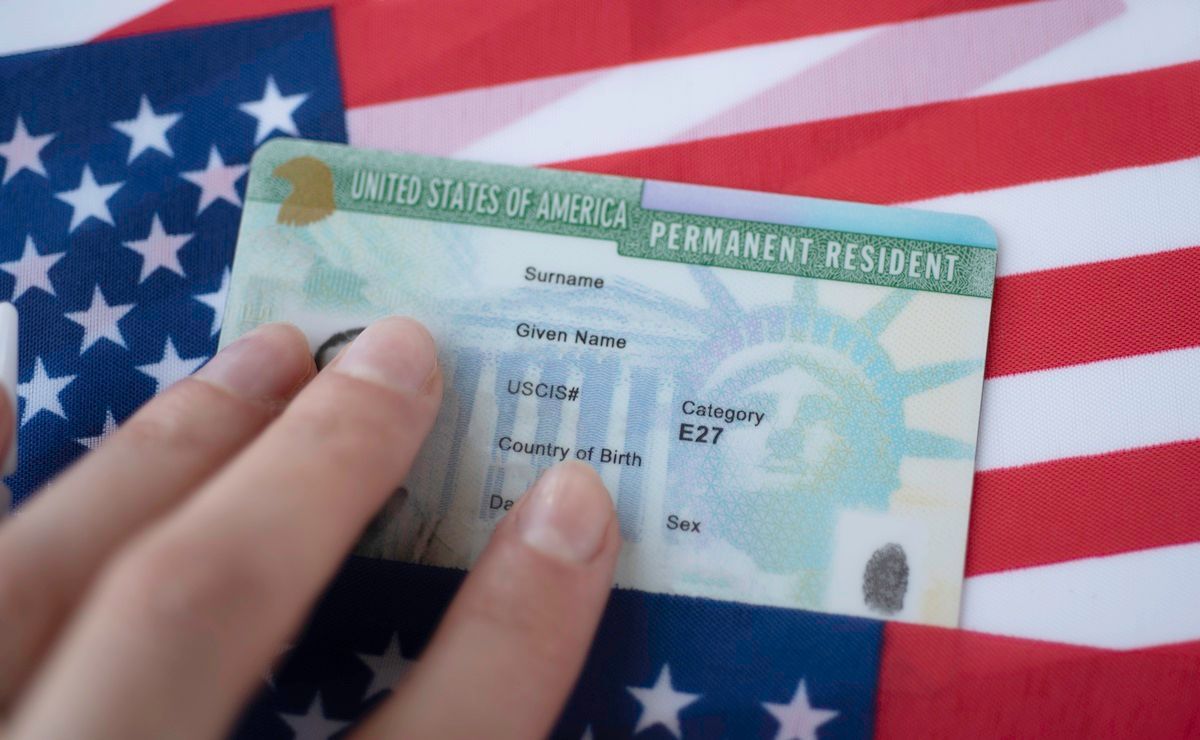
Receiving a two-year green card through marriage is an important step, but it leaves another process ahead: removing the conditions on permanent residence. For couples preparing a joint Form I-751 petition, understanding the filing window and organizing evidence early can make the preparation more manageable. The starting point is your own record. Locate the green card, the notice granting residence, and copies of the earlier immigration filing. Check the date conditional residence began and the card’s expiration date. Do not calculate the next deadline solely from your wedding anniversary or the date an attorney first submitted your case. Understand the joint filing window Under 8 CFR 216.4 , a joint I-751 petition generally must be filed during the 90-day period immediately before the second anniversary of obtaining conditional permanent residence. This is a window before that anniversary, not an additional 90 days after the card expires. Preparing early and filing early are different things. You can begin gathering records well before the window opens, while coordinating the correct submission date with your attorney. A joint petition also requires the appropriate signatures, fee, and supporting documentation. Confirm the current form instructions, accepted filing method, and applicable fee when the case is ready to submit. Build a record of the marriage over time The regulation identifies several types of evidence that may help show the marriage was not entered into to evade immigration law: jointly owned property, a lease for a shared home, combined financial resources, children’s birth certificates, and statements from people with personal knowledge of the relationship. These examples do not mean every couple must have a mortgage, joint accounts, or children. The evidence should accurately reflect your circumstances. A clear explanation of how you manage your household can be more useful than forcing your relationship into a checklist that does not fit. As a practical preparation step, organize records by date and type. Review whether they help explain the course of the marriage, rather than collecting only documents created shortly before filing. Flag separate addresses, name changes, or gaps in the records for your attorney. Never alter a document to make the history appear simpler. Tell your attorney if circumstances change This article addresses joint filing. Divorce, the death of a spouse, abuse, or other significant changes may require a different filing basis or an individualized assessment. Separate waiver provisions exist, with their own requirements. A spouse’s unwillingness to sign does not, by itself, establish eligibility for every waiver. Do not assume that the joint 90-day window answers every question about a non-joint case. If the relationship changes while preparing the petition or while it is pending, inform counsel promptly. You should not need to invent a continuing relationship to seek advice about the options that may actually apply. Keep tracking the case after submission The regulation provides that conditional resident status is automatically extended, when necessary, upon receipt of a properly filed I-751 until adjudication. Proof of that status is a separate practical matter: keep the receipt notice and have counsel review its wording before relying on it for travel or employment documentation. This article does not promise a particular receipt-extension period or processing time. A missed deadline calls for prompt legal attention. The regulation allows some late joint filings where USCIS accepts a written showing of good cause, but acceptance is not automatic. Do not assume a late petition cures the problem without further review. Santos Lloyd Law Firm, P.C. can help you assess the filing window, organize relevant evidence, and identify changes that may affect your I-751 strategy. Contact the firm early enough to review the facts before the deadline approaches.
October begins a new federal fiscal year, but that does not mean every green card applicant moves to the front of the line. The Department of State’s October 2026 Visa Bulletin sets out the visa availability that applicants in family-sponsored and employment-based preference categories need to review this month.

Santos Lloyd Law Firm takes great pride in announcing that Partner Flavia Santos Lloyd has been invited to join the Fellows of the American Bar Foundation. As a highly selective global network, the organization recognizes legal professionals across both the public and private sectors who embody the absolute highest standards of the practice. Admission to this distinguished group highlights Flavia’s outstanding legal career, professional integrity, and deep impact on the legal community. Our team celebrates Flavia on this well-deserved recognition!
