P1 Visa for Individual Sport Athletes

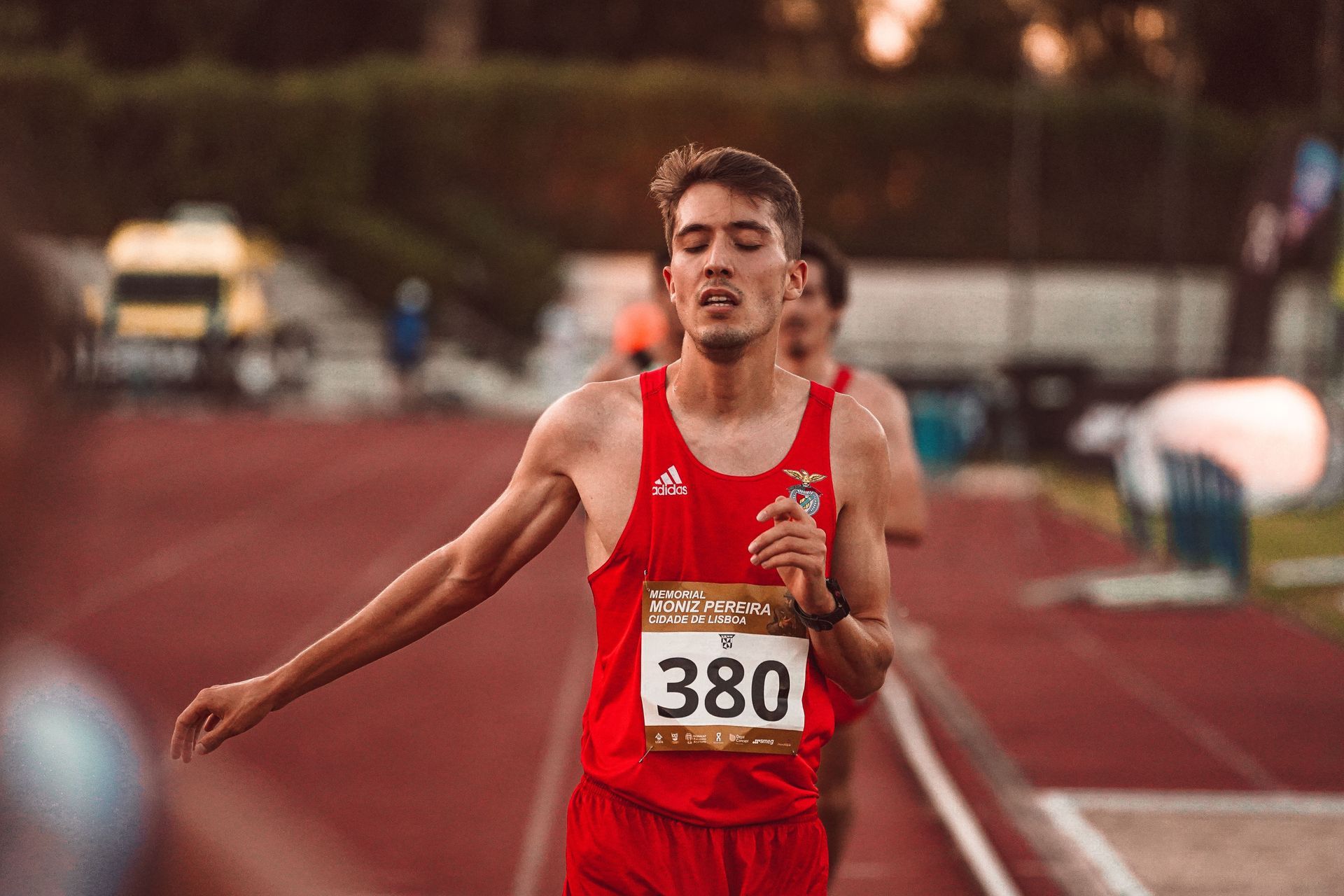
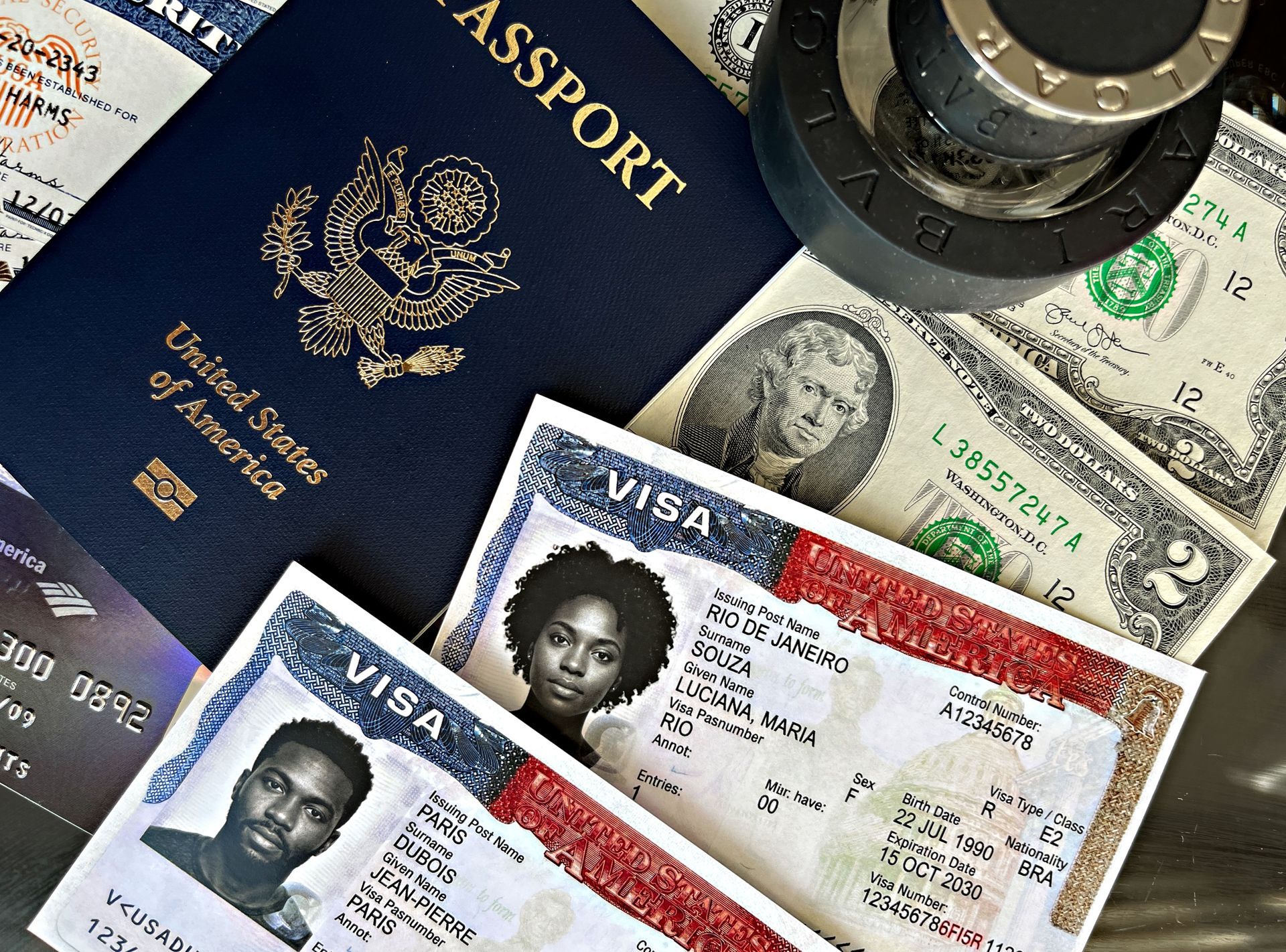
Navigating the immigration landscape as a professional athlete can feel as demanding as a championship final, but understanding the P-1A visa can help you to plan ahead and successfully petition USCIS when the time comes to apply. For individual athletes like surfers, Rodeo cowboys, or Brazilian Jiu-Jitsu fighters, the P-1A serves as the primary gateway to competing in the United States. While it is often compared to the O-1 visa, the P-1A has a distinct threshold that is more easily accessible than the O-1; rather than proving "extraordinary ability," you must demonstrate "international recognition". This means your achievements must be renowned or leading in more than one country, showcasing a level of skill that is substantially above the ordinary.
For those competing in individual sports, the spotlight is entirely on your personal accolades and standing rather than a team or league’s reputation as in the case of a team sport athlete. You must show that you are personally well-known within your sport across multiple countries, and that the U.S. events you intend to enter typically draw other internationally recognized participants. One of the most significant advantages for the solo competitor is the duration of stay, as individual athletes can often secure a P-1 visa for an initial period of up to five years, which can eventually be extended to a total of ten. This stands in stark contrast to team athletes, who are generally limited to the duration of a specific season or contract with a team.
If you are looking to be proactive about your future eligibility, you should treat your career milestones as a collection of evidence for the "Two-Out-of-Seven" rule used by USCIS. To qualify, you must provide evidence satisfying at least two of the following seven criteria:
- Evidence of having participated to a significant extent in a prior season with a major U.S. sports league.
- Evidence of participation in an international competition with a national team.
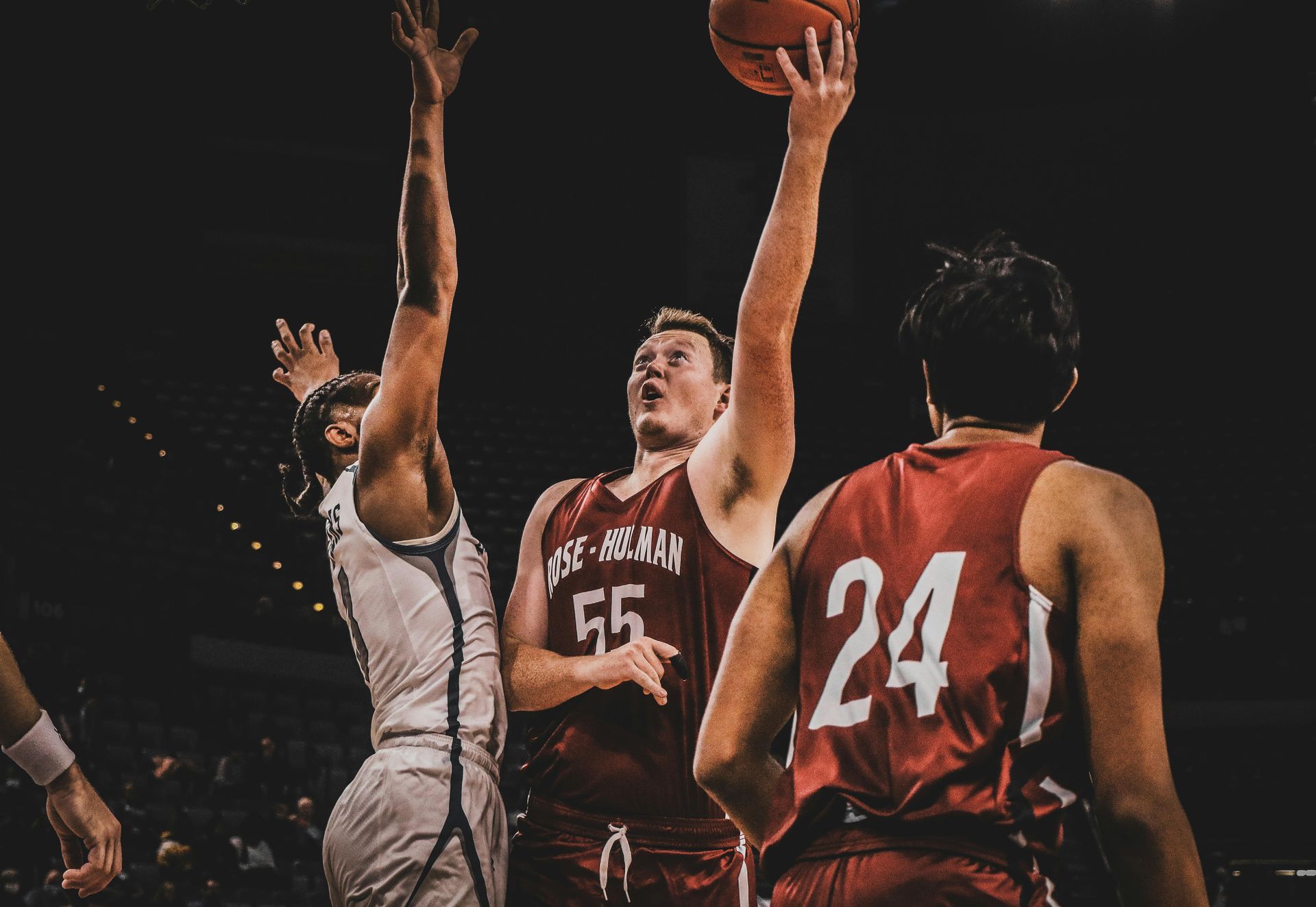
- Evidence of having participated to a significant extent in a prior season for a U.S. college or university in intercollegiate competition.
- A written statement from an official of a major U.S. sports league or the governing body of the sport detailing your international recognition.
- A written statement from a member of the sports media or a recognized expert.
- Evidence that you or your team is ranked, if the sport has international rankings.
- Evidence that you or your team has received a significant honor or award in the sport.
Building your resume with these specific benchmarks in mind is essential. Here are some suggestions to help an individual sport athlete to meet these criteria and successfully qualify for a P-1A visa:
- First, you should
actively seek opportunities to represent your national team or strive for high international rankings, as these are concrete proof of your standing. If you are working with an immigration attorney, make sure they have a clear understanding of your sport, how its governing body determines rankings, and the significance of your accomplishments- successfully showing USCIS why your rankings or results indicate you are performing at an elite and internationally recognized level is key to a successful outcome.
- Beyond the trophies,
your professional network plays a crucial role; cultivating relationships with recognized experts or sports media members who can provide written statements will significantly strengthen your future petition. Major media articles that discuss your accomplishments or explain the significance of competitions or rankings you feature in, can also have a strong positive impact on your case.
- As you prepare, remember that
every petition also requires a formal consultation letter from an appropriate labor organization, if one exists that covers your sport. A good immigration attorney will help you to identify the appropriate labor organization and engage with them on your behalf to secure the consultation letter you need. Generally, they will want to see the same evidence that USCIS will be evaluating, and they may need some time to review your petition prior to issuing you a consultation letter.
- Finally, you will also need a written contract with an employer or agent within the United States, and a detailed itinerary of the events where you will perform. Your immigration attorney can also help you to structure your contract with your agent or employer, and guide you in creating an itinerary based on the events or competitions you will participate in. While every individual sport is different, USCIS will want to see that you have set up a structure that will pay you a living wage to perform your sport, and that you have planned out an itinerary of competitions or events in sufficient detail that covers the entire period of time for which you are requesting the P-1A visa.
At Santos Lloyd Law Firm, P.C., we are experienced in helping talented individuals who are accomplished in many different sports to continue their careers here in the United States. If you are such an athlete interested in competing here, please contact us, and we will be happy to discuss your case.
This blog is not intended to be legal advice and nothing here should be construed as establishing an attorney client relationship. Please schedule a consultation with an immigration attorney before acting on any information read here.
Joseph Lennarz
Similar Posts