Paralisação do Governo 2026: Principais Impactos na Imigração
Kris Quadros-Ragar • February 2, 2026

 Click here to read this article in English


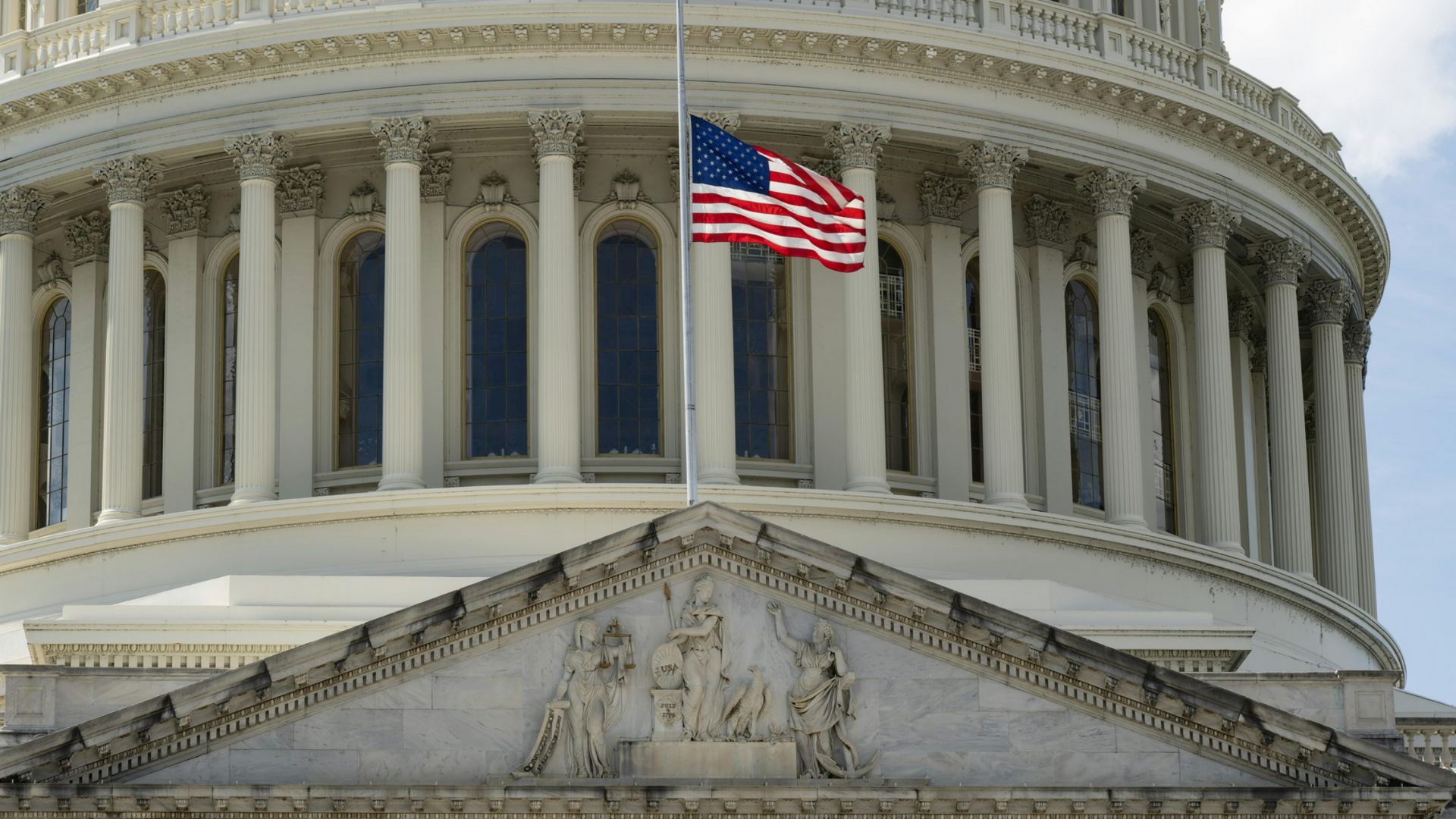
O governo federal entrou em uma paralisação parcial em 31 de janeiro de 2026, após o Congresso não conseguir aprovar o pacote final de financiamento. Embora esta ocorra logo após a paralisação recorde de 43 dias no outono passado, espera-se que esta interrupção seja breve, com uma votação na Câmara prevista para a primeira semana de fevereiro.


No entanto, desde o dia 2 de fevereiro, vários departamentos importantes estão operando sob planos de contingência. Se você é um empregador ou um cidadão estrangeiro, aqui está o que você precisa saber sobre como isso afeta seus assuntos imigratórios:


Impactos para Empregadores


LCAs Certificadas: O Departamento de Trabalho (DOL) suspendeu o processamento de Labor Condition Applications. Isso significa que, no momento, os empregadores não conseguem obter as certificações necessárias para protocolar novas petições de H-1B, H-1B1 ou E-3.


PERM e Salário Prevalecente: O processamento das certificações de trabalho PERM e das determinações de salário prevalecente foi interrompido. Isso provavelmente causará um acúmulo de casos assim que o governo reabrir.


E-Verify: O sistema E-Verify geralmente fica fora do ar durante uma paralisação. Os empregadores devem continuar seguindo os requisitos do formulário I-9, mas podem não conseguir resolver Não-Confirmações Provisórias (TNCs) até que o sistema seja restaurado.


Impactos para Funcionários e Famílias


Serviços Consulares: Embora as embaixadas e consulados dos EUA sejam financiados por taxas, suas operações podem ser reduzidas. Se você tiver uma entrevista de visto agendada, verifique o site específico do consulado para atualizações, pois atrasos são possíveis.


Operações do USCIS: Como o USCIS é financiado principalmente pelas taxas de inscrição, o órgão permanece aberto. Você deve comparecer às entrevistas e agendamentos de biometria marcados, a menos que seja notificado do contrário.


CBP e Viagens: As funções da Alfândega e Proteção de Fronteiras dos EUA (CBP) são consideradas essenciais. Os portos de entrada permanecem abertos, embora você possa enfrentar tempos de espera maiores devido a ajustes na equipe.


Na Santos Lloyd, estamos monitorando de perto a situação conforme ela se desenrola. Seja você um empregador em busca de orientação sobre como essa paralisação impacta seus planos de contratação, ou um funcionário com dúvidas gerais sobre se ou como você pode ser afetado, entre em contato com nosso escritório. Continuamos dedicados a fornecer as atualizações e a assistência profissional necessárias para ajudá-lo a lidar com essas interrupções.

Este blog não se destina a fornecer aconselhamento jurídico e nada aqui deve ser interpretado como estabelecimento de um relacionamento advogado-cliente. Por favor, agende uma consulta com um advogado de imigração antes de agir com base em qualquer informação lida aqui.

Kris Quadros-Ragar


By Kris Quadros-Ragar February 2, 2026
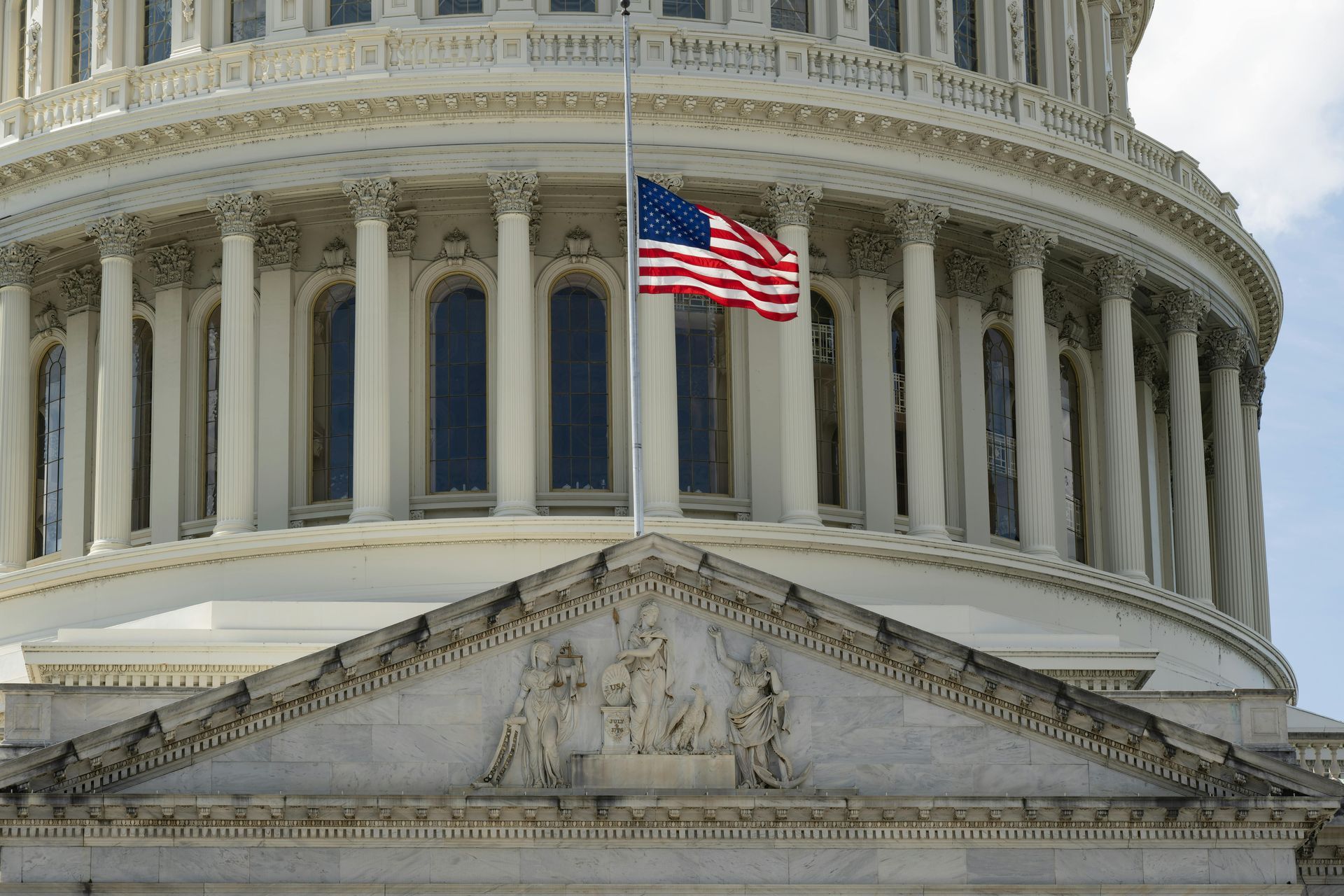
The federal government entered a partial shutdown on January 31, 2026, after Congress failed to pass a final funding package. While this follows the record-breaking 43-day shutdown from last fall, this disruption is expected to be brief, with a House vote anticipated for the first week of February. However, as of February 2, several key departments are operating under shutdown contingencies. If you are an employer or a foreign national, here is what you need to know about how this affects your immigration matters: Impacts for Employers Certified LCAs: The Department of Labor (DOL) has suspended the processing of Labor Condition Applications. This means employers cannot currently obtain the certifications required to file new H-1B, H-1B1, or E-3 petitions. PERM and Prevailing Wages: Processing for PERM labor certifications and prevailing wage determinations has halted. This will likely cause a backlog once the government reopens. E-Verify: The E-Verify system is typically taken offline during a shutdown. Employers should continue to follow I-9 requirements but may be unable to resolve Tentative Nonconfirmations (TNCs) until the system is restored. Impacts for Employees and Families Consular Services: While U.S. embassies and consulates are fee-funded, their operations may be reduced. If you have an upcoming visa interview, check the specific consulate's website for status updates, as delays are possible. USCIS Operations: Because USCIS is primarily funded by application fees, it remains open. You should still attend scheduled interviews and biometrics appointments unless notified otherwise. CBP and Travel: U.S. Customs and Border Protection (CBP) functions are essential. Ports of entry remain open, though you may experience longer waiting times due to staffing adjustments. At Santos Lloyd, we are closely monitoring the situation as it unfolds. Whether you are an employer seeking guidance on how this shutdown impacts your hiring plans or an employee with general questions regarding if or how you may be affected, please reach out to our office. We remain dedicated to providing the updates and professional assistance necessary to help you navigate these disruptions.
By Kris Quadros-Ragar January 15, 2026
U.S. Citizenship and Immigration Services (USCIS) has announced a major change to the H-1B cap selection process. Under a final rule issued on December 29, 2025, USCIS will replace the long-standing random H-1B lottery with a wage-weighted selection system that favors higher-paid and more complex positions. The rule is scheduled to take effect on February 27, 2026 , just ahead of the fiscal year 2027 H-1B cap registration season, unless delayed by legal challenges. If implemented, USCIS is expected to release additional guidance explaining how employers must submit registrations under the revised process. This change marks one of the most significant reforms to the H-1B program in recent years. Up until 2025, all registrations were treated equally once the annual cap was reached. Under the new system, selection odds will be tied to wage levels based on the U.S. Department of Labor’s Occupational Employment and Wage Statistics data. All H-1B registrations will still be placed into a single selection pool, but registrations tied to higher wage levels will receive multiple entries into that pool, increasing their likelihood of selection. Lower wage levels will receive fewer entries, making selection less likely but not impossible. H-1B wage levels are not determined solely by salary. Each wage level reflects the complexity of the job, the level of responsibility involved, and the education and experience required . Entry-level positions involving routine duties and close supervision are generally classified at the lowest wage level, while positions requiring independent judgment, advanced skills, and significant responsibility fall into higher wage levels. The highest wage level is reserved for roles that involve expert knowledge, strategic decision-making, and substantial leadership or technical authority. USCIS is expected to closely scrutinize selected petitions to ensure that the wage level claimed during registration is supported by the job duties and salary offered in the petition. Any discrepancies between the registration and the petition may result in requests for evidence, denials, or enforcement action. With the elimination of the purely random lottery, employers should begin preparing early by carefully evaluating job descriptions, wage levels, and overall H-1B strategy. Accurate classification and thoughtful planning will be essential under this new wage-based selection system. If you are an employer considering H-1B sponsorship, or a foreign professional wondering whether your position may qualify under the new wage-based system, consulting with experienced immigration counsel is more important than ever. Santos Lloyd Law is actively advising clients on H-1B cap registrations and strategy under the new rules. To discuss your options or determine whether you may qualify, contact our office to schedule a consultation.
By April Perez January 9, 2026
During the recent administration there has been an increase in issuance of Requests for Evidence for EB-1A petitions for those of Extraordinary Ability. A Request for Evidence is a request that is made by USCIS that should explain how the evidence is deficient in proving the criteria argued and what additional evidence needs to be provided by the applicant to meet the criteria. EB-1A petitions are already normally subject to higher scrutiny because their approval is the first step needed to apply for Lawful Permanent Residence or a green card. USCIS normally requires not just evidence but that the evidence be provided with context and information to show why it matters in a particular field. For example, if you were providing evidence of your membership in an organization that requires outstanding achievements of its members, just providing evidence of the membership is not enough. You must explain what that membership is and provide background information on the organization granting the membership. You also need to provide evidence on the criteria that is used to select the members, information on those who select the members to show that they are recognized experts, other documentation such as articles about the membership organization to show its importance, and any other relevant evidence and background information to show that the criteria is met. A request for evidence being issued prior to the current administration was not uncommon, but in the current climate it is more surprising to not receive a request for evidence for this type of case. It is important to remember that a request for evidence is not a denial. Depending on the validity of the information in the request and the substance some Requests for Evidence can be overcome, and the case be approved. It is important to carefully review the request and note if there are any errors in the content and application of the regulations by USCIS. If you have an attorney, you should work with them and make sure that you provide any evidence you think may be helpful. Although there is a deadline by which a response must be submitted, attention to detail and patience will go a long way when dealing with having to respond to a request for evidence.  If you believe you may qualify for this type of visa, please feel free to contact our office.
Show More