

El DHS anuncia el TPS para Líbano
Denice Flores • December 19, 2024

Click here to read this article in English
El Departamento de Seguridad Nacional de Estados Unidos (DHS siglas en inglés) anunció la designación del Líbano para el Estatus de Protección Temporal (TPS siglas en inglés), lo que permite a los ciudadanos libaneses elegibles en los Estados Unidos permanecer y trabajar temporalmente debido a las condiciones inseguras en su país de origen. La decisión, publicada en el Registro Federal, se basa en la actual crisis humanitaria en el Líbano, que incluye inestabilidad económica, violencia generalizada y las secuelas de la devastadora explosión del puerto de Beirut en 2020.
La designación del TPS para el Líbano es efectiva desde diciembre de 2023 y durará 18 meses. Los ciudadanos libaneses que residan en Estados Unidos desde el 1 de agosto de 2023 pueden solicitar el TPS, siempre que cumplan los requisitos de elegibilidad.
Los libaneses a los que se conceda el TPS podrán permanecer legalmente en Estados Unidos, trabajar y obtener autorización para viajar durante el periodo designado. Esta medida está en consonancia con los esfuerzos de la administración Biden para ayudar a las personas procedentes de países que se enfrentan a condiciones extremas. Se aconseja a los solicitantes que presenten su solicitud lo antes posible y que presenten la documentación necesaria para recibir el estatus de TPS y los beneficios relacionados.
Esta designación subraya el apoyo del gobierno estadounidense a los ciudadanos libaneses afectados por la difícil situación en el Líbano.
Si usted tiene alguna pregunta o desea saber más acerca de los requisitos de elegibilidad, póngase en contacto con nuestra oficina para programar una consulta con uno de nuestros abogados experimentados.
Este blog no pretende ser una asesoría legal y nada aquí debe interpretarse como el establecimiento de una relación abogado-cliente. Programe una consulta con un abogado de inmigración antes de actuar sobre cualquier información que aquí lea.
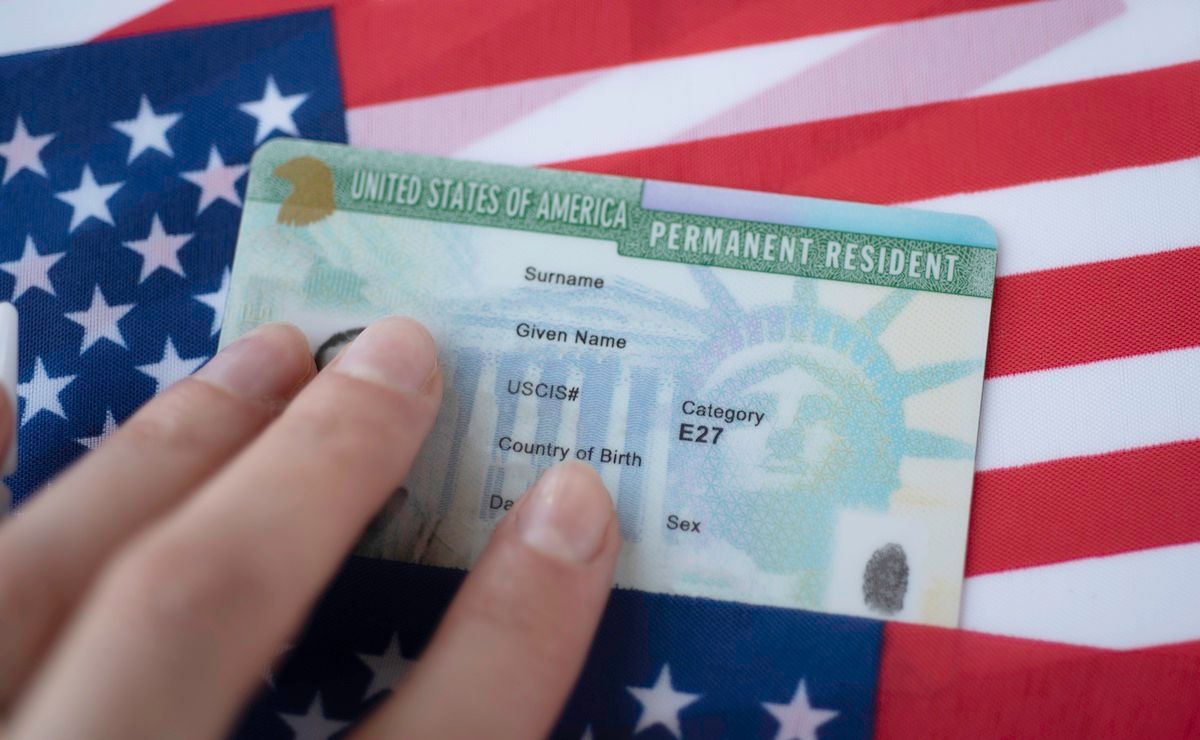
Receiving a two-year green card through marriage is an important step, but it leaves another process ahead: removing the conditions on permanent residence. For couples preparing a joint Form I-751 petition, understanding the filing window and organizing evidence early can make the preparation more manageable. The starting point is your own record. Locate the green card, the notice granting residence, and copies of the earlier immigration filing. Check the date conditional residence began and the card’s expiration date. Do not calculate the next deadline solely from your wedding anniversary or the date an attorney first submitted your case. Understand the joint filing window Under 8 CFR 216.4 , a joint I-751 petition generally must be filed during the 90-day period immediately before the second anniversary of obtaining conditional permanent residence. This is a window before that anniversary, not an additional 90 days after the card expires. Preparing early and filing early are different things. You can begin gathering records well before the window opens, while coordinating the correct submission date with your attorney. A joint petition also requires the appropriate signatures, fee, and supporting documentation. Confirm the current form instructions, accepted filing method, and applicable fee when the case is ready to submit. Build a record of the marriage over time The regulation identifies several types of evidence that may help show the marriage was not entered into to evade immigration law: jointly owned property, a lease for a shared home, combined financial resources, children’s birth certificates, and statements from people with personal knowledge of the relationship. These examples do not mean every couple must have a mortgage, joint accounts, or children. The evidence should accurately reflect your circumstances. A clear explanation of how you manage your household can be more useful than forcing your relationship into a checklist that does not fit. As a practical preparation step, organize records by date and type. Review whether they help explain the course of the marriage, rather than collecting only documents created shortly before filing. Flag separate addresses, name changes, or gaps in the records for your attorney. Never alter a document to make the history appear simpler. Tell your attorney if circumstances change This article addresses joint filing. Divorce, the death of a spouse, abuse, or other significant changes may require a different filing basis or an individualized assessment. Separate waiver provisions exist, with their own requirements. A spouse’s unwillingness to sign does not, by itself, establish eligibility for every waiver. Do not assume that the joint 90-day window answers every question about a non-joint case. If the relationship changes while preparing the petition or while it is pending, inform counsel promptly. You should not need to invent a continuing relationship to seek advice about the options that may actually apply. Keep tracking the case after submission The regulation provides that conditional resident status is automatically extended, when necessary, upon receipt of a properly filed I-751 until adjudication. Proof of that status is a separate practical matter: keep the receipt notice and have counsel review its wording before relying on it for travel or employment documentation. This article does not promise a particular receipt-extension period or processing time. A missed deadline calls for prompt legal attention. The regulation allows some late joint filings where USCIS accepts a written showing of good cause, but acceptance is not automatic. Do not assume a late petition cures the problem without further review. Santos Lloyd Law Firm, P.C. can help you assess the filing window, organize relevant evidence, and identify changes that may affect your I-751 strategy. Contact the firm early enough to review the facts before the deadline approaches.
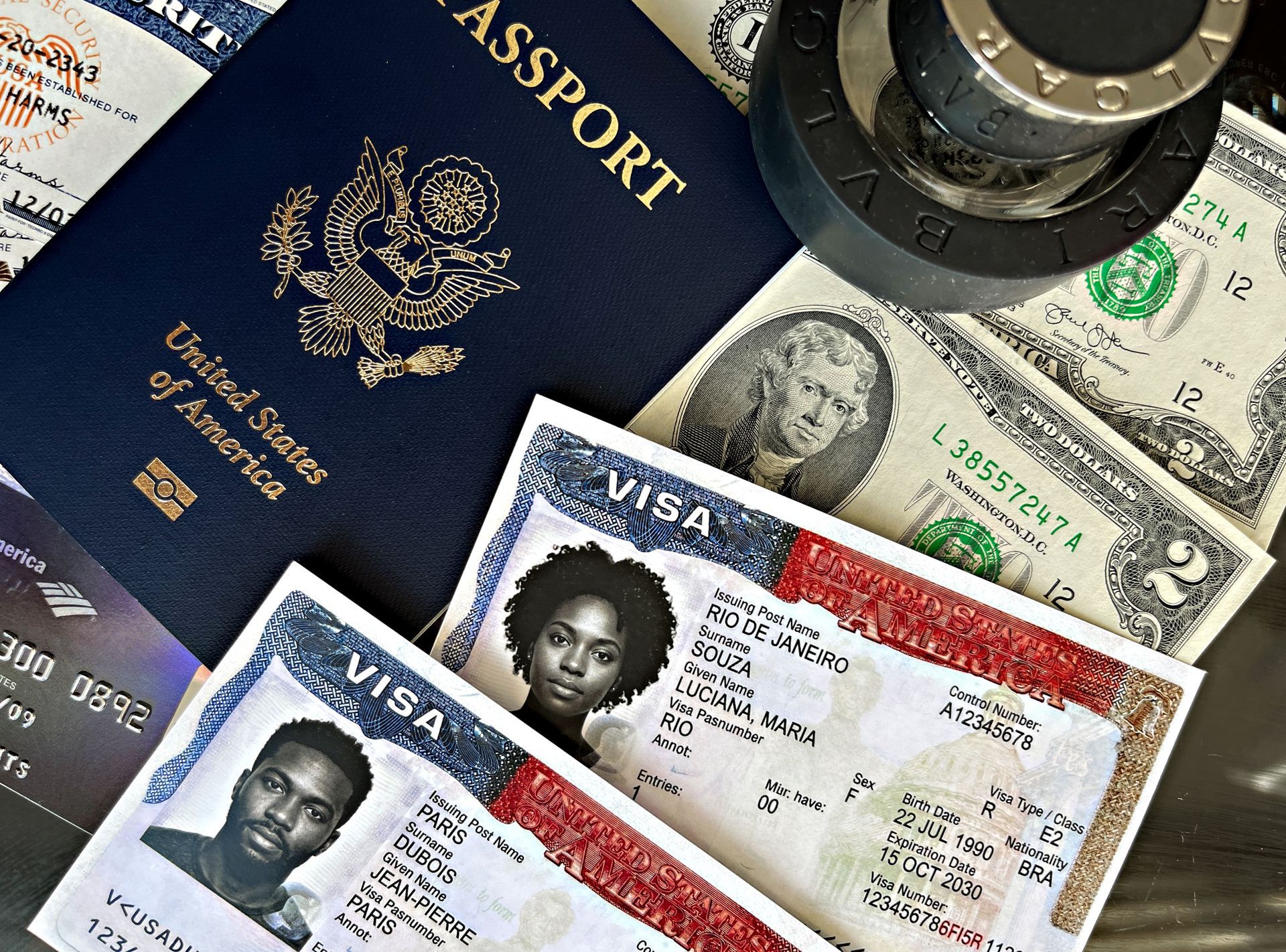
October begins a new federal fiscal year, but that does not mean every green card applicant moves to the front of the line. The Department of State’s October 2026 Visa Bulletin sets out the visa availability that applicants in family-sponsored and employment-based preference categories need to review this month.
Santos Lloyd Law Firm takes great pride in announcing that Partner Flavia Santos Lloyd has been invited to join the Fellows of the American Bar Foundation. As a highly selective global network, the organization recognizes legal professionals across both the public and private sectors who embody the absolute highest standards of the practice. Admission to this distinguished group highlights Flavia’s outstanding legal career, professional integrity, and deep impact on the legal community. Our team celebrates Flavia on this well-deserved recognition!
