

DHS Announces TPS for Lebanon
Denice Flores • December 12, 2024

The U.S. Department of Homeland Security (DHS) announced the designation of Lebanon for Temporary Protected Status (TPS), allowing eligible Lebanese nationals in the United States to stay and work temporarily due to unsafe conditions in their home country. The decision, published in the Federal Register, is based on the ongoing humanitarian crisis in Lebanon, which includes economic instability, widespread violence, and the aftermath of the devastating 2020 Beirut port explosion.
The TPS designation for Lebanon is effective December 2023 and will last for 18 months. Lebanese nationals who have been residing in the U.S. since August 1, 2023, may apply for TPS, as long as they meet the eligibility requirements.
Lebanese nationals who are granted TPS will be allowed to stay in the U.S. legally, work, and obtain travel authorization during the designated period. This measure is in line with the Biden administration's efforts to assist individuals from countries facing dire conditions. Applicants are advised to apply as soon as possible and to submit the necessary documentation to receive TPS status and related benefits.
This designation underscores the U.S. government's support for Lebanese nationals affected by the difficult situation in Lebanon.
If you have any questions or would like to know more about the eligibility requirements, contact our office to schedule a consultation with one of our experienced attorneys.
This blog is not intended to be legal advice and nothing here should be construed as establishing an attorney client relationship. Please schedule a consultation with an immigration attorney before acting on any information read here.
Denice Flores
This Facebook widget is no longer supported.
Similar Posts

In recent weeks, the U.S. government has moved to terminate Temporary Protected Status (TPS) for multiple countries, sparking a wave of last-minute litigation and creating significant uncertainty for beneficiaries. This shift is having a profound impact on those who rely on TPS for lawful presence and work authorization in the United States. Across the country, federal courts have intervened to pause or block scheduled TPS terminations for several countries, including Burma (Myanmar), Ethiopia, Haiti, South Sudan, and Syria. In response to these court orders, USCIS has updated its webpages to indicate that TPS status and related Employment Authorization Documents (EADs) are extended for these populations. However, USCIS is intentionally not providing specific new end dates for EAD validity while the litigation remains in flux. The Department of Homeland Security (DHS) has prominently noted that it "vehemently disagrees" with these court orders and is actively working with the Department of Justice on next steps. This legal landscape remains highly unpredictable and varies drastically depending on the country of origin. For example, on February 9, 2026, the 9th Circuit Court of Appeals granted a stay allowing the government to proceed with the termination of TPS for Nicaragua, Honduras, and Nepal while the underlying legal challenges continue. Because of this ruling, the automatic extension of work authorization for these individuals has ended, and employers are now required to reverify the work authorization of affected employees, who must present alternative valid documentation to continue their employment. These rapid changes and the lack of clear end dates are causing complications beyond the workplace. Because driver's licenses often track the length of an individual's authorized stay, many DMVs are currently declining to issue or renew driver's licenses for impacted TPS populations. For employers, managing internal communications, avoiding onboarding errors, and navigating Form I-9 compliance has become increasingly complex. It is more important than ever to be well-prepared and proactive in monitoring these rapid changes. At Santos Lloyd Law Firm, P.C., our immigration attorneys are ready to guide you through this evolving process and ensure you are informed, and supported. Please contact us if you have questions or need assistance.
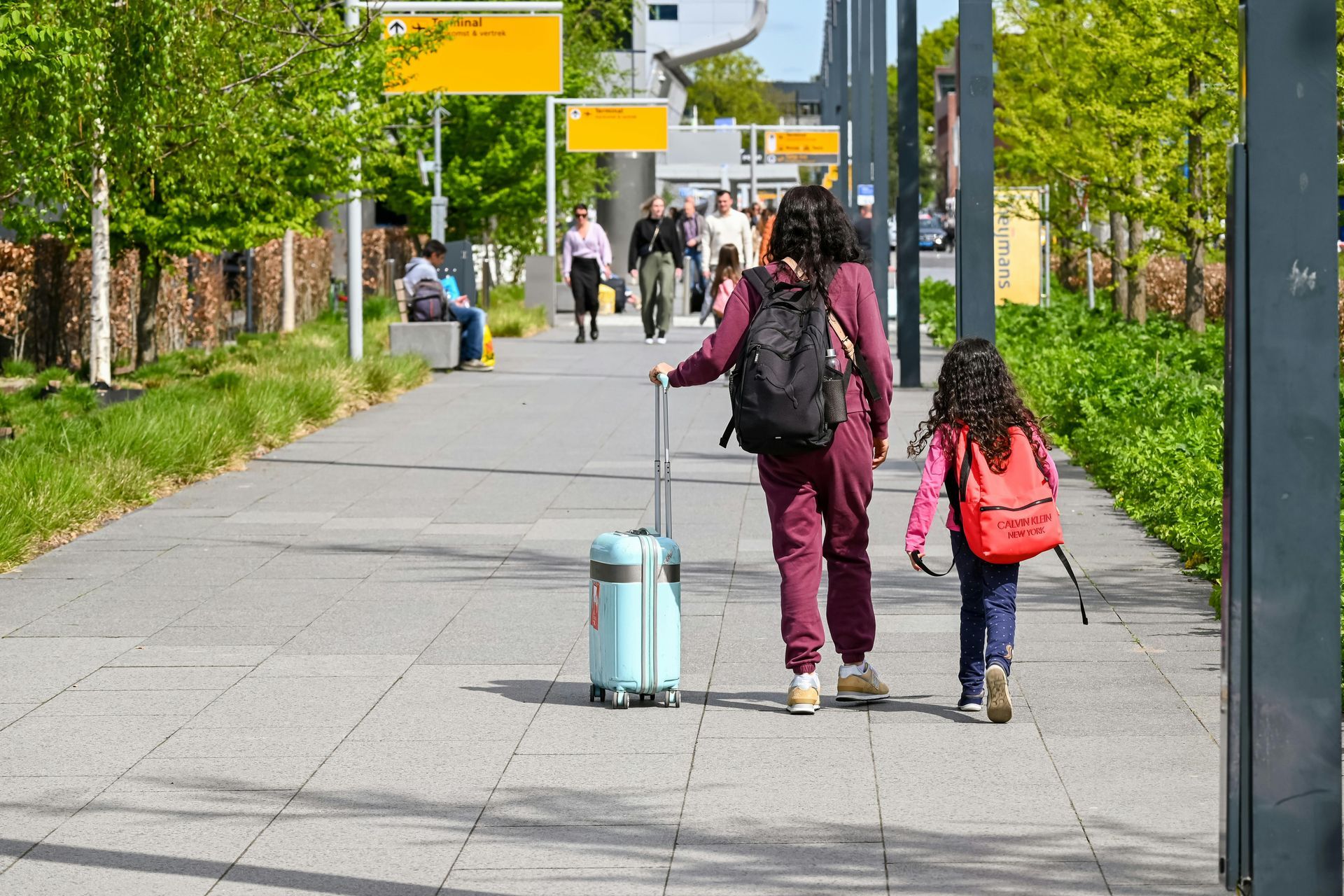
The U.S. Department of Homeland Security (DHS) has announced the termination of Temporary Protected Status (TPS) for nationals from Honduras, Nicaragua, Nepal, Haiti, and Cameroon. These longstanding protections are set to expire, putting many individuals at risk of deportation.

On January 28, 2025, Secretary of Homeland Security Kristi Noem vacated the January 10, 2025, decision by former Secretary Alejandro Mayorkas that had extended the 2023 designation of Temporary Protected Status (TPS) for Venezuela and ordered that his January 17, 2025, notice re-designating Venezuela TPS be vacated. This action has understandably caused confusion and concern among Venezuelan TPS beneficiaries and those with pending applications. It is critical to clarify that this does not mean that the TPS program for Venezuela has been eliminated . Instead, the Department of Homeland Security (DHS) must now reconsider whether to re-designate (extend) or terminate the previous Venezuela TPS designations from 2021 and 2023. What Does the Vacatur Mean? Because the January 17, 2025, TPS extension was vacated, the most recent valid TPS designation for Venezuela remains the October 3, 2023, designation . The vacatur does not immediately affect TPS protections for individuals covered under the prior designations. However, DHS must make key decisions in the coming months: By February 1, 2025 , DHS must decide whether to extend or terminate the October 3, 2023, designation . By July 12, 2025 , DHS must decide whether to extend or terminate the March 9, 2021, designation . If the Secretary does not make a timely determination (for example, if the Secretary were not to make determination by February 1, 2025 whether to extend or terminate the 2023 Venezuela TPS designation), then the statute provides for an automatic extension of the designation for an additional period of 6 months . INA 244(b)(3)(C), 8 U.S.C. 1254a(b)(3)(C). Until these decisions are made, TPS remains in effect under the previous designations , and those who have already been granted TPS are not immediately impacted. Who Is Affected and What Should You Do? Current TPS Holders If you were already granted TPS under the March 9, 2021, or October 3, 2023, designations, your status remains valid. You must continue to comply with all re-registration requirements to maintain your protection and work authorization. Re-registration period: TPS beneficiaries under the 2021 and 2023 designations must re-register between January 17, 2025, and September 10, 2025 , to maintain their legal status and work authorization. Individuals with Pending TPS Applications as of January 17, 2025 If you applied for TPS before January 17, 2025 , under a previous designation, your application will continue to be processed . If your application is approved, your TPS protection will remain valid at least until April 2, 2025 . There is no need to reapply. Individuals Who Applied for TPS Between January 10, 2025, and January 28, 2025 If you applied for TPS during this period, USCIS will cease processing your applications and issue refunds of any fees paid in association with those applications . Additionally, USCIS will invalidate EADs; Forms 1-797, Notice of Action (Approval Notice); and Forms 1-94, Arrival/Departure Record (collectively known as TPS-related documentation) that have been issued with October 2, 2026 expiration dates under the January 17, 2025 Mayorkas Notice. What Happens Next? Given the Biden administration’s prior support for TPS, many expect DHS to extend or re-designate Venezuela for TPS rather than terminate it . However, no final decision has been made , and Venezuelan nationals with TPS or pending applications should continue to follow updates closely. What Should You Do Now? If you currently hold TPS , continue to comply with all TPS renewal requirements and remain aware of DHS’s upcoming decisions. If you have a pending application , check USCIS updates regularly and consult with an immigration attorney for the latest guidance. If you applied between January 17, 2025, and January 28, 2025 , seek legal counsel to understand how the vacatur may affect your application. Stay Informed and Get Legal Guidance Our immigration firm is closely following these developments and will provide updates as soon as DHS makes its decision. If you have questions about your TPS status or how this memo affects your case, contact our office today for a consultation. For more information, refer to the official DHS notice on the vacatur: Vacatur of 2025 Temporary Protected Status Decision for Venezuela .

The U.S. Department of Homeland Security can allow foreign nationals to apply for Temporary Protected Status or TPS, if the foreign country is facing conditions that temporarily prevent the country’s nationals from returning safely or if the country is unable to handle the return of its nationals. Country conditions that trigger this are ongoing armed conflict, such as a war, an environmental disaster or an epidemic, and other extraordinary and temporary conditions. If the U.S. Department of Homeland Security designates a foreign country for temporary protected status, the U.S. Citizenship and Immigration Services allows eligible foreign nationals of the country, who are in the United States, to apply for and be granted TPS. What does TPS do? A foreign national who is granted TPS is not removable, meaning the individual cannot be removed or deported to the foreign country. The foreign national also cannot be detained by U.S. immigration officials on the basis of his or her immigration status in the United States. The foreign national can obtain employment authorization (work permit) to work lawfully in the United States, and also a travel permit to travel abroad, during the time he or she has TPS. It is important to note, however, that TPS is a temporary benefit for foreign nationals. This means that TPS will not lead a foreign national to obtain lawful permanent residence or a green card, U.S. citizenship, or any other immigration status. However, if the foreign national is granted TPS, he or she may still apply for other immigration relief. TPS does not disqualify a foreign national from applying for other forms of immigration relief. Currently, the U.S. Department of Homeland Security has designated the following countries for TPS: Afghanistan, Burma, Cameroon, El Salvador, Ethiopia, Haiti, Honduras, Nepal, Nicaragua, Somalia, South Sudan, Sudan, Syria, Ukraine, Venezuela, and Yemen. If you have any questions on whether you qualify for TPS, please schedule a consultation with one of our experienced attorneys and we will be more than happy to assist you.
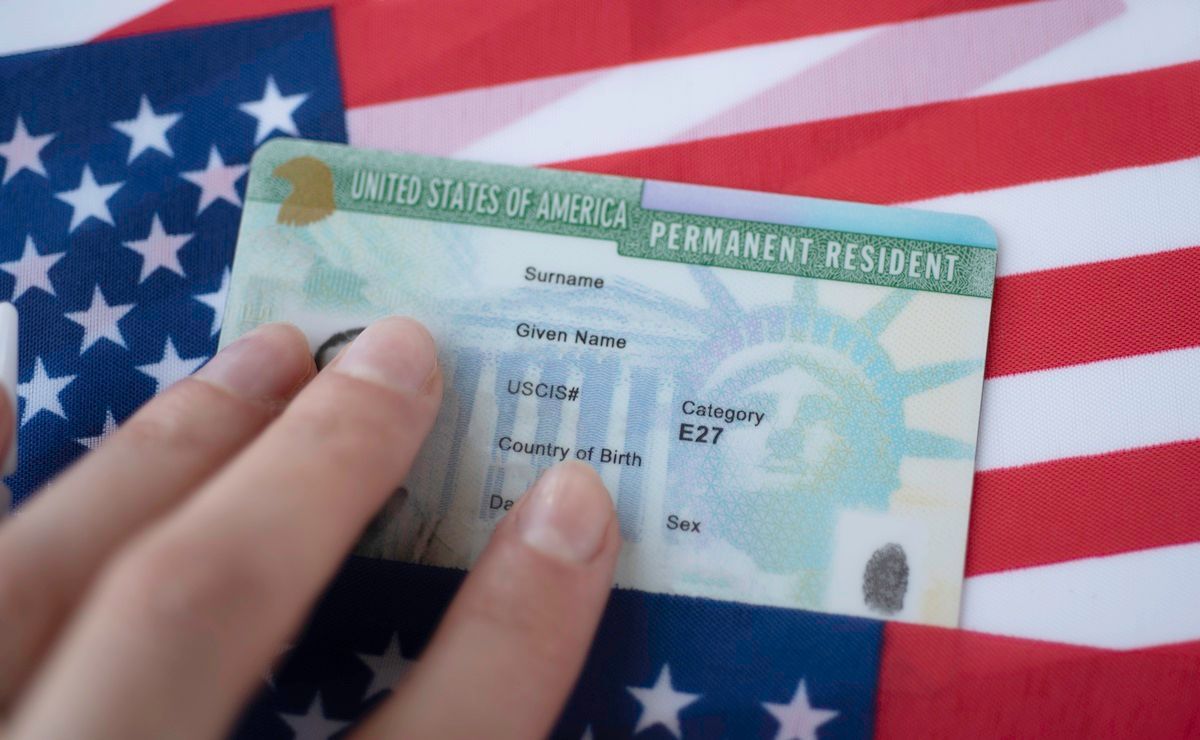
Receiving a two-year green card through marriage is an important step, but it leaves another process ahead: removing the conditions on permanent residence. For couples preparing a joint Form I-751 petition, understanding the filing window and organizing evidence early can make the preparation more manageable. The starting point is your own record. Locate the green card, the notice granting residence, and copies of the earlier immigration filing. Check the date conditional residence began and the card’s expiration date. Do not calculate the next deadline solely from your wedding anniversary or the date an attorney first submitted your case. Understand the joint filing window Under 8 CFR 216.4 , a joint I-751 petition generally must be filed during the 90-day period immediately before the second anniversary of obtaining conditional permanent residence. This is a window before that anniversary, not an additional 90 days after the card expires. Preparing early and filing early are different things. You can begin gathering records well before the window opens, while coordinating the correct submission date with your attorney. A joint petition also requires the appropriate signatures, fee, and supporting documentation. Confirm the current form instructions, accepted filing method, and applicable fee when the case is ready to submit. Build a record of the marriage over time The regulation identifies several types of evidence that may help show the marriage was not entered into to evade immigration law: jointly owned property, a lease for a shared home, combined financial resources, children’s birth certificates, and statements from people with personal knowledge of the relationship. These examples do not mean every couple must have a mortgage, joint accounts, or children. The evidence should accurately reflect your circumstances. A clear explanation of how you manage your household can be more useful than forcing your relationship into a checklist that does not fit. As a practical preparation step, organize records by date and type. Review whether they help explain the course of the marriage, rather than collecting only documents created shortly before filing. Flag separate addresses, name changes, or gaps in the records for your attorney. Never alter a document to make the history appear simpler. Tell your attorney if circumstances change This article addresses joint filing. Divorce, the death of a spouse, abuse, or other significant changes may require a different filing basis or an individualized assessment. Separate waiver provisions exist, with their own requirements. A spouse’s unwillingness to sign does not, by itself, establish eligibility for every waiver. Do not assume that the joint 90-day window answers every question about a non-joint case. If the relationship changes while preparing the petition or while it is pending, inform counsel promptly. You should not need to invent a continuing relationship to seek advice about the options that may actually apply. Keep tracking the case after submission The regulation provides that conditional resident status is automatically extended, when necessary, upon receipt of a properly filed I-751 until adjudication. Proof of that status is a separate practical matter: keep the receipt notice and have counsel review its wording before relying on it for travel or employment documentation. This article does not promise a particular receipt-extension period or processing time. A missed deadline calls for prompt legal attention. The regulation allows some late joint filings where USCIS accepts a written showing of good cause, but acceptance is not automatic. Do not assume a late petition cures the problem without further review. Santos Lloyd Law Firm, P.C. can help you assess the filing window, organize relevant evidence, and identify changes that may affect your I-751 strategy. Contact the firm early enough to review the facts before the deadline approaches.
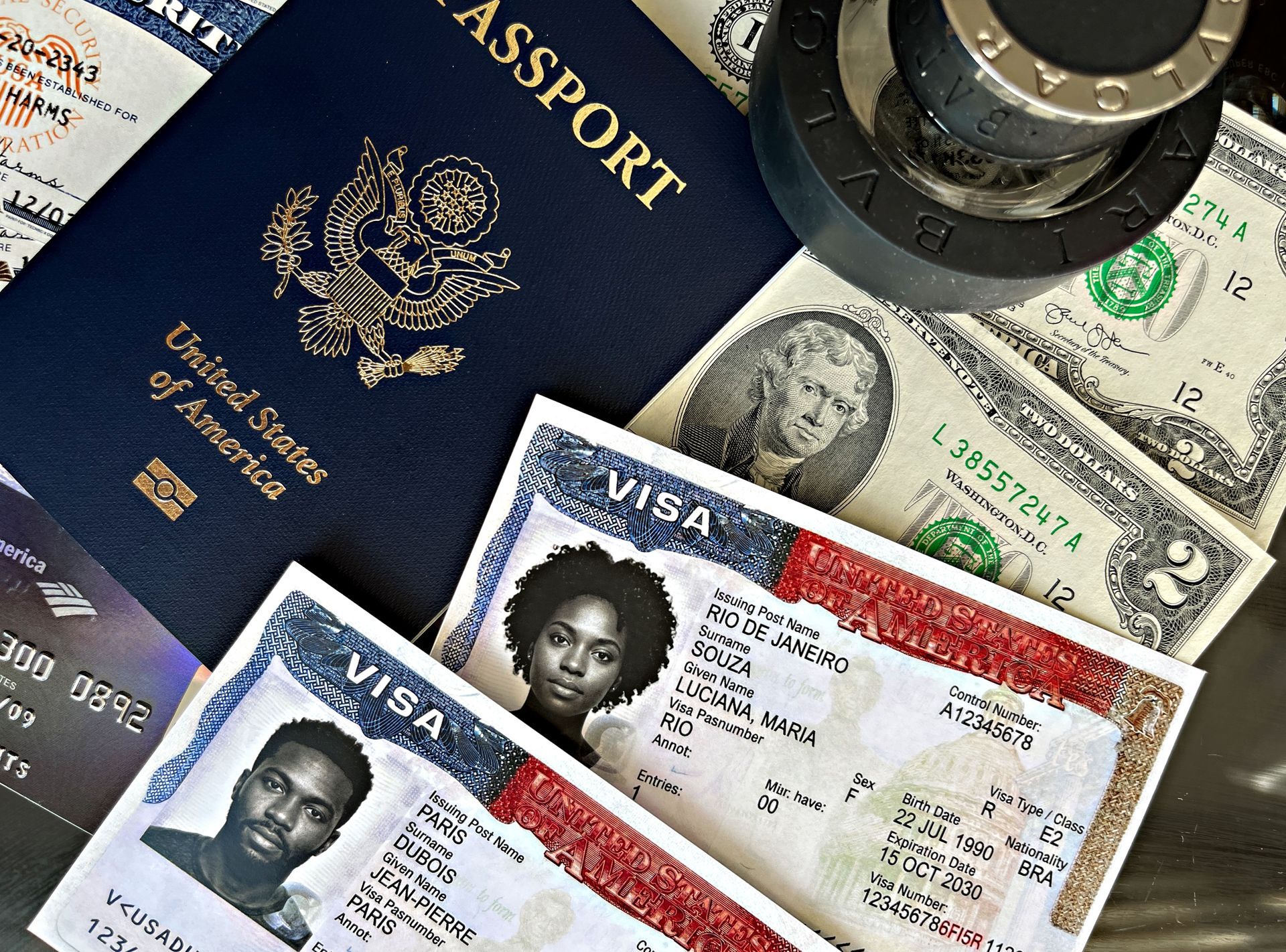
October begins a new federal fiscal year, but that does not mean every green card applicant moves to the front of the line. The Department of State’s October 2026 Visa Bulletin sets out the visa availability that applicants in family-sponsored and employment-based preference categories need to review this month.

Santos Lloyd Law Firm takes great pride in announcing that Partner Flavia Santos Lloyd has been invited to join the Fellows of the American Bar Foundation. As a highly selective global network, the organization recognizes legal professionals across both the public and private sectors who embody the absolute highest standards of the practice. Admission to this distinguished group highlights Flavia’s outstanding legal career, professional integrity, and deep impact on the legal community. Our team celebrates Flavia on this well-deserved recognition!
