

The 2026 RFE Surge
Denice Flores • March 6, 2026
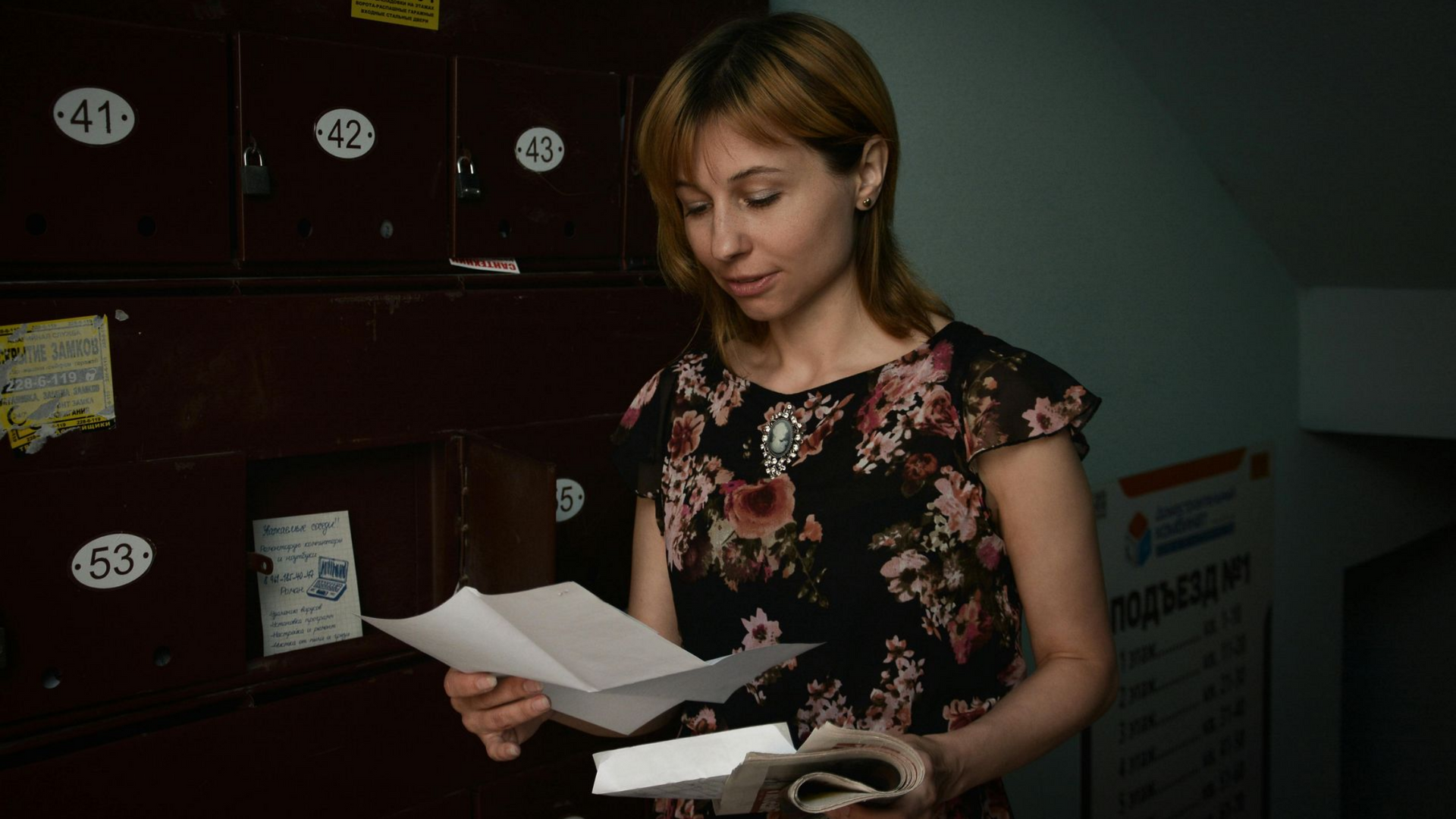
Recent data in 2026 shows a sharp increase in Requests for Evidence across employment-based visa categories such as EB-1, EB-2 NIW, O, and H-1B. Requests for Evidence (RFEs) are no longer reserved for borderline cases; even robust petitions for high-level talent are facing unprecedented scrutiny.
The expansion of the USCIS Vetting Center means automated tools are cross-referencing every petition, triggering RFEs for even the smallest inconsistencies.
For EB-2 NIW petitions, adjudicators are increasingly questioning the "National Importance" of a candidate’s endeavor. Even for those with impressive credentials, USCIS now demands evidence of how their work specifically benefits the U.S. on a prospective basis.
For O-1A and O-1B visas, officers are applying narrower interpretations of "distinction" and "extraordinary ability,"
often mischaracterizing evidence already present in the record.
Additionally, a troubling 2026 trend is the correlation between Premium Processing and RFEs. For discretionary categories like EB-1A and EB-2 NIW, Premium Processing has increasingly become a "fast track" to a poorly reasoned RFE. Reports indicate that adjudicators, pressured by 15-business-day timelines, may be relying on AI-assisted vetting tools that trigger automated RFEs with general and boilerplate language, rather than a thorough review and analysis of supporting documents and evidence filed.
With USCIS employing more rigorous AI-driven
vetting and a narrower interpretation of visa criteria, the margin for error has disappeared. As such, ensure you consult with an experienced immigration attorney before filing a petition. '
If you have any questions, please schedule a consultation with one of our experienced attorneys, and we will be more than happy to assist you.
This blog is not intended to be legal advice and nothing here should be construed as establishing an attorney client relationship. Please schedule a consultation with an immigration attorney before acting on any information read here.
Denice Flores
Similar Posts

During the recent administration there has been an increase in issuance of Requests for Evidence for EB-1A petitions for those of Extraordinary Ability. A Request for Evidence is a request that is made by USCIS that should explain how the evidence is deficient in proving the criteria argued and what additional evidence needs to be provided by the applicant to meet the criteria. EB-1A petitions are already normally subject to higher scrutiny because their approval is the first step needed to apply for Lawful Permanent Residence or a green card. USCIS normally requires not just evidence but that the evidence be provided with context and information to show why it matters in a particular field. For example, if you were providing evidence of your membership in an organization that requires outstanding achievements of its members, just providing evidence of the membership is not enough. You must explain what that membership is and provide background information on the organization granting the membership. You also need to provide evidence on the criteria that is used to select the members, information on those who select the members to show that they are recognized experts, other documentation such as articles about the membership organization to show its importance, and any other relevant evidence and background information to show that the criteria is met. A request for evidence being issued prior to the current administration was not uncommon, but in the current climate it is more surprising to not receive a request for evidence for this type of case. It is important to remember that a request for evidence is not a denial. Depending on the validity of the information in the request and the substance some Requests for Evidence can be overcome, and the case be approved. It is important to carefully review the request and note if there are any errors in the content and application of the regulations by USCIS. If you have an attorney, you should work with them and make sure that you provide any evidence you think may be helpful. Although there is a deadline by which a response must be submitted, attention to detail and patience will go a long way when dealing with having to respond to a request for evidence. If you believe you may qualify for this type of visa, please feel free to contact our office.
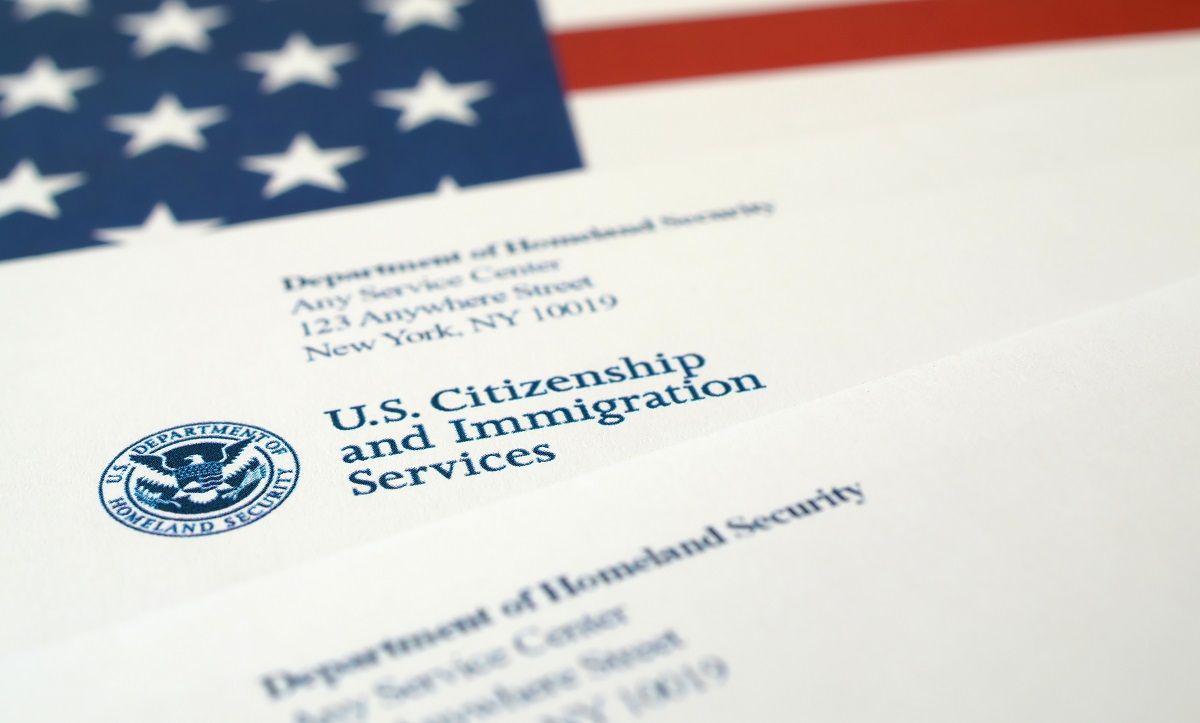
The most important thing to understand is that it is not a denial. A request for evidence can be issued for any type of petition that is filed with USCIS. The request for evidence is usually issued by the reviewing officer if a specific document is missing or if the officer does not believe that the evidence provided is sufficient to meet the requirements for the petition to be approved.
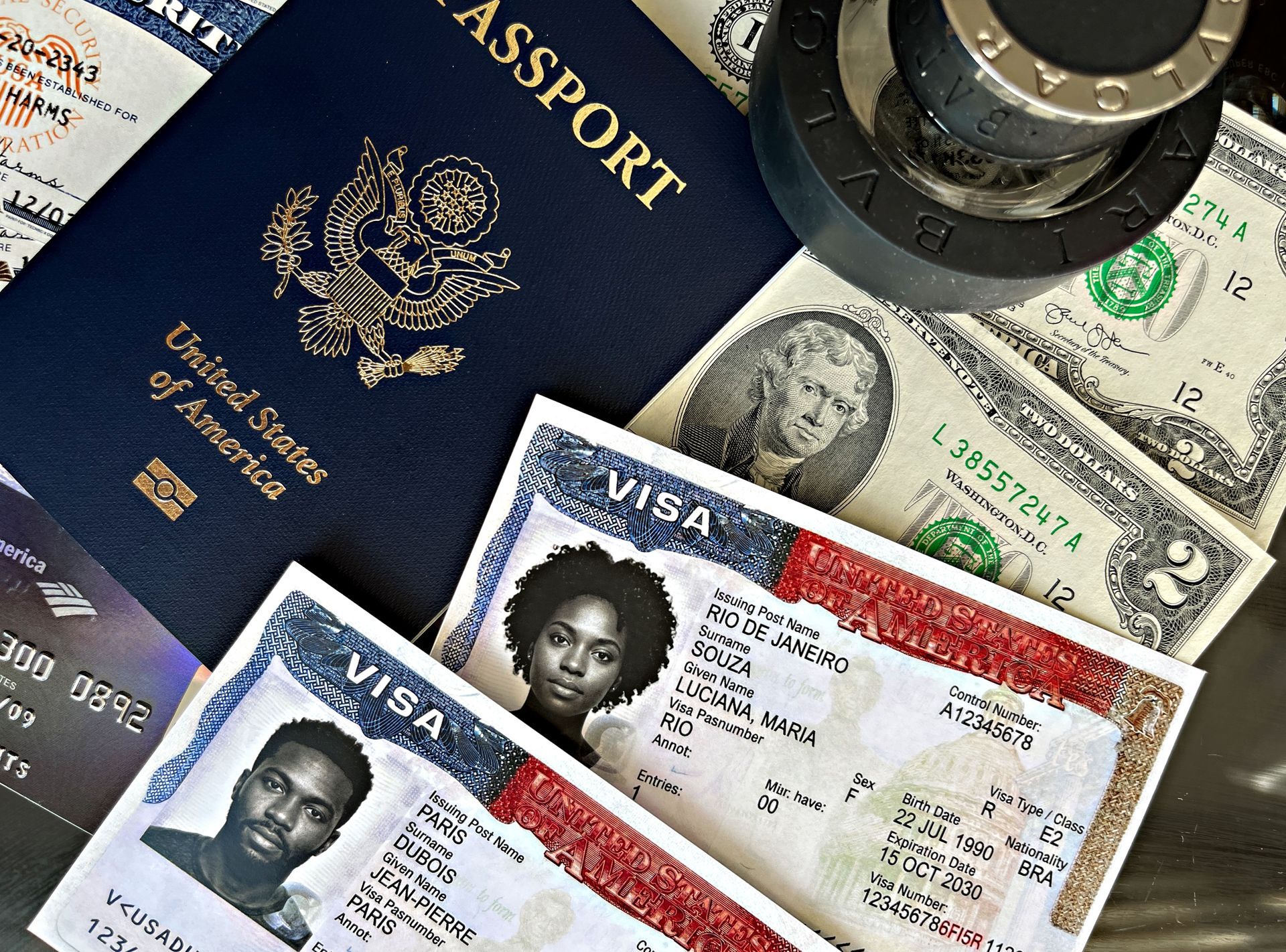
October begins a new federal fiscal year, but that does not mean every green card applicant moves to the front of the line. The Department of State’s October 2026 Visa Bulletin sets out the visa availability that applicants in family-sponsored and employment-based preference categories need to review this month.
Santos Lloyd Law Firm takes great pride in announcing that Partner Flavia Santos Lloyd has been invited to join the Fellows of the American Bar Foundation. As a highly selective global network, the organization recognizes legal professionals across both the public and private sectors who embody the absolute highest standards of the practice. Admission to this distinguished group highlights Flavia’s outstanding legal career, professional integrity, and deep impact on the legal community. Our team celebrates Flavia on this well-deserved recognition!

On September 14, 2026, the U.S. District Court for the District of Massachusetts issued a nationwide preliminary injunction in Presidents' Alliance on Higher Education and Immigration v. U.S. Department of Homeland Security , halting the implementation of the Department of Homeland Security (DHS) final rule that was scheduled to eliminate “duration of status” (D/S) on September 15, 2026. As a result of this nationwide order, DHS is blocked from enforcing fixed periods of admission for F-1 students, J-1 exchange visitors, and I media representatives while the litigation moves forward. Because the current “duration of status” framework remains in full effect, F, J, and I visa holders are not required to file Form I-539 extension of stay applications to remain in valid status beyond program end dates at this time. Furthermore, restrictions on academic transfers, constraints on enrolling in second programs at the same degree level, 240-day caps on continued employment while extensions are pending, and shortened grace periods do not apply during the injunction. F-1 nonimmigrants retain the full 60-day post-completion grace period, and J-1 holders maintain their 30-day grace period. However, please note that this preliminary injunction is not a final ruling invalidating the rule , and a status conference is scheduled for October 2, 2026, to determine next steps in the litigation. Immediate Practice Tips: Inspect I-94 Travel Records Upon Reentry: F, J, and I visa holders currently admitted under D/S retain their status and should continue to be readmitted under D/S following international travel until the injunction is lifted. However, because the I-94 record controls legal stay, travelers must inspect their CBP-issued Form I-94 immediately upon reentry to confirm the "Admit Until Date" states "D/S" rather than a specific expiration date. If a specific date is mistakenly recorded, contact a local CPB Deferred Inspection Site. Notify HR and Review Workplace Compliance: Employers sponsoring F-1 or J-1 employees should inform HR and hiring managers that the September 15 fixed-period rule is postponed and standard D/S rules govern. This development does not alter standard filing windows or Form I-9 verification procedures for post-completion OPT or STEM OPT extensions. Maintain Operational Readiness and Defer Unnecessary Filings: Visa holders and employers should defer travel or filing strategy decisions made solely in anticipation of the fixed-admission rule. Because DHS may appeal or the court could alter the timeline on short notice, institutions and visa holders should maintain readiness to adjust plans if implementation resumes. There are many evolving components to this litigation. If you are an F-1, J-1, or I visa holder, sponsoring institution, or employer, you should proactively coordinate with your international student office and legal counsel to protect your status and monitor upcoming court proceedings.
