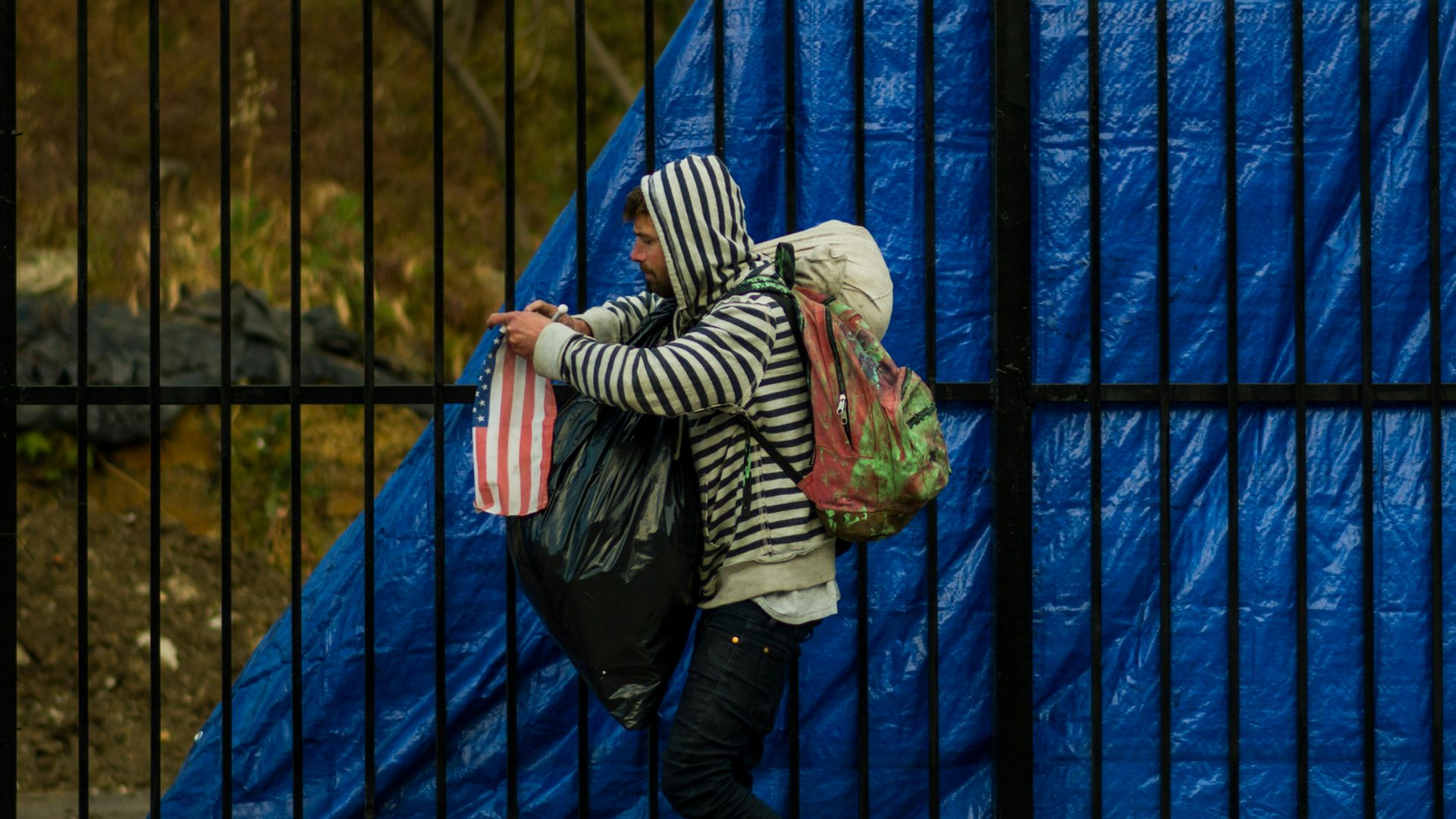
Em Busca de Segurança: O Asilo como um Direito Humano Universal
Kathya Dawe • April 3, 2026

 Click here to read this article in English


Em 1948, o mundo se uniu para declarar que certos direitos são inerentes a todo ser humano, independentemente de sua nacionalidade. O principal deles é o direito à segurança.


O Direito Universal de Buscar Segurança


A Declaração Universal dos Direitos Humanos (DUDH), especificamente em seu Artigo 14, garante que "todo ser humano tem o direito de procurar e de gozar asilo em outros países contra a perseguição". Isso não é apenas uma política — é uma garantia de direitos humanos. Reconhece que, quando um Estado falha em proteger seus cidadãos, a comunidade internacional tem a obrigação moral e legal de oferecer um refúgio.


O que é o Asilo?


O asilo é uma forma de proteção concedida a indivíduos que já se encontram nos Estados Unidos ou em um porto de entrada e que cumprem a definição de refugiado.

Para ser elegível, você deve demonstrar que sofreu perseguição no passado ou que tem um fundado receio de perseguição futura em seu país de origem com base em um dos cinco motivos protegidos:


  1. Raça
  2. Religião
  3. Nacionalidade
  4. Pertencimento a um grupo social específico
  5. Opinião política


O sistema de asilo moderno baseia-se na Convenção das Nações Unidas de 1951 e no Protocolo de 1967 relativos ao Estatuto dos Refugiados. Os Estados Unidos integraram formalmente esses padrões internacionais à sua legislação doméstica por meio da Lei de Refugiados de 1980 (Refugee Act). De acordo com esta lei, o indivíduo deve estar fisicamente presente nos EUA para solicitar o asilo, independentemente da forma como chegou ao país.


Requisitos Críticos para Solicitantes de Asilo


Embora o direito de buscar asilo seja universal, o processo para obtê-lo é estritamente regulamentado. Não basta apenas chegar; o ônus da prova cabe inteiramente ao solicitante.


  • O Prazo de Um Ano: Você deve enviar o Formulário I-589 (Pedido de Asilo e de Suspensão de Expulsão) dentro de um ano após sua chegada mais recente aos EUA.
  • Evidências são Essenciais: Você deve reunir documentos e provas para fundamentar o seu receio. Isso pode incluir boletins de ocorrência, relatórios médicos, artigos de notícias sobre a situação em seu país ou depoimentos pessoais (affidavits).
  • Impedimentos ao Asilo: Nem todos são elegíveis. Você pode ser impedido de obter asilo se:
  • Tiver ordenado, incitado ou participado da perseguição a terceiros.
  • Representar um perigo para a segurança dos EUA.
  • Tiver sido condenado por um "crime particularmente grave".
  • Tiver se estabelecido firmemente em outro país antes de chegar aos EUA.
  • Tiver sido deportado anteriormente e reentrado nos Estados Unidos.


A Realidade do Processo (2025–2026)


Navegar pelo sistema hoje exige paciência e preparação. No início de 2026, o sistema enfrenta acúmulos de processos (backlogs) significativos.


  • Estatísticas: Dados recentes mostram uma queda acentuada nas taxas de concessão. Em agosto de 2025, a taxa de concessão de asilo nos tribunais de imigração foi de aproximadamente 19,2%, abaixo dos quase 38% registrados no ano anterior. No entanto, as taxas de sucesso são significativamente maiores para aqueles que possuem representação legal.
  • Cronograma: O processo é altamente imprevisível. Embora o USCIS tenha como meta decidir casos afirmativos em 180 dias, muitos solicitantes aguardam anos por uma entrevista ou audiência judicial devido aos milhões de casos atualmente pendentes.
  • Representação jurídica: Este continua sendo o fator individual mais importante. Dados históricos e tendências de 2025 confirmam que requerentes com advogados têm aproximadamente três vezes mais chances de obter o deferimento do pedido do que aqueles que representam a si mesmos.


Suporte Profissional


As leis de imigração são complexas e estão sujeitas a mudanças frequentes. Se você tiver alguma dúvida ou estiver considerando solicitar asilo, por favor, agende uma consulta com um de nossos advogados experientes, que terá o maior prazer em ajudá-lo a navegar em sua situação específica.

Este blog não se destina a fornecer aconselhamento jurídico, e nada aqui deve ser interpretado como o estabelecimento de uma relação entre advogado e cliente. Por favor, agende uma consulta com um advogado de imigração antes de agir com base em qualquer informação lida aqui.


Kathya Dawe


By Rabia Elhage July 3, 2026
Navigating the U.S. immigration system is already a complex process, but a critical new federal court ruling has provided major relief to thousands of applicants who have found themselves caught in a challenging standstill. On Friday, June 5, 2026, U.S. District Chief Judge John J. McConnell, Jr. of the U.S. District Court for the District of Rhode Island issued a nationwide order declaring unlawful and vacating four restrictive U.S. Citizenship and Immigration Services (USCIS) policies. These internal policies had previously directed adjudicators to completely suspend processing and final decisions for immigration benefits filed on behalf of foreign nationals from roughly 39 countries. In a sharply worded ruling, Chief Judge McConnell criticized the administration’s restrictive processing directives, stating that the policies "threw the lives of countless immigrants living in the United States into indeterminate legal limbo." He further accused USCIS of actively ignoring established federal law by categorically barring these applicants from receiving final decisions. Which Countries and Benefits Are Affected? The 39 affected nations are located predominantly across Africa, Asia, Latin America, and the Middle East, heavily mirroring countries that have been targets of broader administration travel bans. Under the struck-down policies, individuals from these specific countries faced indefinite halts on their essential filings, regardless of the individual merits of their cases. The federal court's decision directly impacts a wide spectrum of vital immigration pathways, including: Asylum Applications Employment Authorization Documents (Work Permits) Adjustment of Status (Green Cards) Naturalization (Citizenship Applications) What This Means For Clients and Applicants The core takeaway of this decision is immediate: USCIS must resume processing these cases. Because the court's ruling carries a nationwide effect, the agency is no longer permitted to pause or shelve a file simply because of the applicant’s country of origin. While the administration is widely expected to appeal Chief Judge McConnell's decision, the policy is officially vacated for the time being. For individuals from the affected nations who have watched their applications sit frozen for months without explanation, this opens a crucial window to see their cases move forward toward a final determination. How Santos Lloyd Law Firm Can Assist The landscape of U.S. immigration remains incredibly fluid, and shifts in federal policy can radically impact your status, career, or timeline. If you are a national of one of the affected countries or have an application that has been experiencing unusual or prolonged delays, it is critical to evaluate how this new ruling alters your strategy.  At Santos Lloyd Law Firm, P.C., we closely monitor federal litigation and shifting agency guidance to provide our clients with proactive legal support. Whether you are navigating family-based applications, employment visas, or citizenship tracks, our experienced attorneys are here to help you understand your options and build a viable path forward.
By Juliana LaMendola June 25, 2026
 Starting July 10, 2026, U.S. Citizenship and Immigration Services (USCIS) is implementing a strict new rule regarding signatures on immigration benefit requests. Taking this change seriously is crucial, as the consequences for submitting an invalid signature are severe and costly. Under the new rule, USCIS officers have the authority to deny your filing if they discover an invalid signature during the adjudication process, even if your application was already accepted and you were issued a receipt notice. If your case is denied for a signature defect, USCIS will not allow you to fix or "cure" the mistake. You will be forced to submit an entirely new petition and pay a new filing fee, which could result in missed deadlines, delayed work authorization, or even the loss of your legal status. USCIS officers may use imaging tools during adjudication to closely compare signatures across your previous filings to detect inconsistencies or copy-and-pasted images of signatures. Under the new rules, USCIS strictly considers several types of signatures to be invalid, including software-generated or digital signatures, such as those created by DocuSign, as well as copy-and-pasted or inserted images of signatures reused across multiple forms. Furthermore, stamped or typewritten names are prohibited, along with any signatures executed by anyone other than the authorized requestor, such as an attorney, interpreter, or preparer. Because USCIS now has expanded authority to outright deny cases and keep filing fees over signature defects, it is highly recommended that you adopt a practice of using wet-ink signatures for not just USCIS forms, but all documents submitted in your petition such as recommendation letters or personal statements. Thus, any upcoming petition you are filing with USCIS must include original, handwritten, “wet-ink” signatures. While USCIS does allow you to submit a scanned, photocopied, or faxed version of your application, the copy you upload or mail must be of a document that was physically signed in wet ink. Audit your signature practices before the July 10, 2026, implementation date to protect your filing fees and ensure your immigration case stays safely on track.
By Kris Quadros-Ragar June 18, 2026
Navigating U.S. immigration law can often feel like learning a completely new language. Two terms that frequently confuse are lawful status and a period of authorized stay. While they sound similar and both relate to your ability to remain in the United States, they are distinct legal concepts. Understanding the difference is critical. Mixing them up can accidentally lead to visa violations, unlawful presence, and severe long-term immigration consequences. 1. What is Lawful Status? Lawful status means you have been officially granted the right to be in the United States by the U.S. government, and that right is currently active. You hold a lawful status if you are: A U.S. citizen or national. A Lawful Permanent Resident (Green Card holder) or Conditional Permanent Resident. A nonimmigrant who was lawfully admitted to the country for a temporary period (such as on a tourist, student, or work visa). For temporary visa holders, your lawful status is directly tied to your Form I-94 (Arrival/Departure Record). As long as the date on your I-94 has not passed, and you are actively following the rules of your visa - such as maintaining a full course load on an F-1 student visa or working only for your approved sponsor on an H-1B visa - you are in lawful status. 2. What is a Period of Authorized Stay? A period of authorized stay is essentially a temporary legal buffer. It means the government allows you to physically remain in the country for the time being, but you do not hold an active, lawful status. The most common way to enter this buffer zone is by filing to extend, change, or adjust your visa status before your current permission expires. While you wait for USCIS to make a decision, your Form I-94 expiration date will often pass. At that exact moment, your active lawful status officially ends. However, because you submitted your application on time, you automatically enter a period of authorized stay for as long as your case remains pending. It is important to note that, while this authorized stay stops you from accruing unlawful presence (the dangerous clock that triggers multi-year reentry bars), it does not grant you a formal legal status, nor does it completely shield you from the initiation of removal (deportation) proceedings. It functions as a temporary stay, not a permanent safety net. If USCIS denies your application and your original visa has already expired, your temporary buffer zone vanishes instantly. The consequences are immediate and serious: since you no longer hold a valid status or a pending case, you no longer have legal permission to be in the country, giving the government the right to start removal proceedings. To avoid these highly stressful risks, the safest strategy is to maintain a valid underlying status when possible. If you are currently waiting on a pending application or have questions about your options, our office is here to help you navigate the system safely. Reach out to us today to schedule a consultation.
Show More