

USCIS Implements the Third Phase of Premium Processing for Previously Filed EB-1 and EB-2 Form I-140 Petitions
Monica Zafra • October 6, 2022

Great news for our EB-2 NIW clients!
USCIS continues to expand on premium processing for petitioners with a pending I-140, Immigrant Petition for Alien Workers under the EB-2 and EB-2 classifications. This third phase only applies to previously filed Form I-140 petitions under the E13 multinational executive and manager classification or E21 classification as a member of professions with advanced degrees or exceptional ability seeking a national interest waiver (NIW).
Clients who are eligible for a premium processing upgrade as of USCIS' announcement on September 15, 2022 are
- E13 multinational executive and manager petitions received on or before January 1, 2022; and
- E21 NIW petitions received on or before February 1, 2022
Eligible petitions may submit Form I-907 to USCIS with the required filing fee of $2,500. The premium processing timeframe is 45 days from the date USCIS receives the request for premium processing.
Santos Lloyd has been steadily receiving I-140 decisions, so we anticipate that more decisions will be coming throughout the next few months until the end of the year. We will continue to keep updated on policy changes and updates from USCIS and will post updates regularly on these changes.
For clients who are eligible and interested in the upgrade, please contact our office for further information. If you are not yet eligible for the upgrade, please await further information from USCIS as we anticipate more phases coming in the months to come.
This blog is not intended to be legal advice and nothing here should be construed as establishing an attorney client relationship. Please schedule a consultation with an immigration attorney before acting on any information read here.
This Facebook widget is no longer supported.
Monica Zafra
Similar Posts

As an immigration law firm, we regularly assist highly skilled professionals working in the U.S. on temporary work visas such as H-1B who are seeking a path to permanent residency. For many of these individuals, the EB-2 and EB-3 employment-based green card categories are the most pursued—and frequently misunderstood—routes . While both are viable pathways to permanent residency, they differ in meaningful ways that can significantly impact the timing, eligibility, and overall strategy of your case. The EB-2 category is intended for individuals who either hold an advanced degree or demonstrate exceptional ability in their field . Most applicants qualify by having a master’s degree (or higher), or a bachelor’s degree accompanied by at least five years of progressive experience in their profession. There is also a subcategory within EB-2 known as the National Interest Waiver (NIW), which allows qualified individuals to self-petition without employer sponsorship if their work substantially benefits the United States. This route is especially relevant for researchers, entrepreneurs, and professionals in high national interest or mission-critical fields. In contrast, the EB-3 category includes professionals with a bachelor’s degree as well as skilled workers with at least two years of training or experience . While the educational threshold for EB-3 may appear less rigorous, the process itself is equally structured. One key distinction between EB-2 and EB-3 lies in the requirements of the job being offered, not just the applicant’s own credentials. For example, if a position requires only a bachelor’s degree, even a highly qualified candidate with a master’s degree may still fall under EB-3. Regardless of which category applies, most employment-based green card cases begin with the PERM labor certification process . This is a formal procedure overseen by the U.S. Department of Labor, in which the employer must test the labor market and demonstrate that there are no able, willing, qualified, and available U.S. workers for the position. The employer must also agree to pay the prevailing wage as determined by the Department of Labor. This step is both mandatory and highly detail-sensitive; inaccuracies in the job description, recruitment steps, or wage determination can lead to significant delays or even denials. Once PERM certification is approved, the employer files Form I-140 , the Immigrant Petition for Alien Worker. This petition confirms that the employee meets the requirements for the offered position under either EB-2 or EB-3, and that the employer is financially capable of providing the job as described. If the employee’s priority date—which is based on the date the PERM was filed—is current according to the Department of State’s Visa Bulletin, the individual may then file Form I-485 to adjust their status to lawful permanent resident. One of the more nuanced aspects of this process involves understanding how priority dates and visa backlogs affect the timeline. For applicants from countries with high demand, such as India or China, significant delays are common—particularly under EB-2. Paradoxically, there are times when the EB-3 category moves faster, prompting some applicants to file a second I-140 under EB-3 while retaining the original priority date. This strategy can be effective but requires careful legal planning to ensure it’s done correctly. Another strategic factor is portability. If your I-485 application has been pending for at least 180 days and your I-140 has been approved, you may be eligible to change employers under the AC21 portability provisions, so long as the new job is in the same or a similar occupational classification. This flexibility can be critical for employees who experience job changes or promotions during the often lengthy green card process. Ultimately, the choice between EB-2 and EB-3 isn’t about prestige —it’s about aligning your qualifications, the job requirements, and your immigration history with current legal standards and market conditions. The right strategy depends not only on your education and experience, but also on your long-term career goals and country of origin. At our firm, we work closely with both employers and employees to develop individualized immigration strategies that streamline the process and avoid unnecessary setbacks. Whether you're a corporate professional evaluating your green card options or an employer preparing to sponsor a key team member, we offer the insight and experience to move your case forward with confidence.

Embarking on the exhilarating journey of launching a new tech startup in the United States is a venture that blends innovation with ambition, and the dynamic landscape of the country offers an unparalleled stage for entrepreneurs to turn their groundbreaking ideas into thriving businesses. The United States highly values its position among the technology leaders of the world. In a nation fueled by a relentless pursuit of technological advancements, the process of bringing a startup to life involves navigating through a myriad of opportunities, challenges, and regulatory landscapes. This is particularly true for foreign entrepreneurs, who must also navigate the immigration system in addition to focusing on launching their businesses. Nevertheless, the United States recognizes the value in bringing technological innovators into the country and has created special considerations for immigrants with education in STEM (Science, Technology, Engineering, and Mathematics) who are seeking to develop important cutting-edge technologies in the United States. These special considerations apply to the EB-2 National Interest Waiver, an immigrant visa classification which leads to permanent residency, and eventually citizenship in the United States. At the heart of every EB-2 National Interest Waiver petition is a proposed endeavor, and while these proposals for the United States can be about nearly anything, the Immigration Service is directed to recognize particular importance for proposals that aim to develop specific technologies that the Biden administration has identified as critical for U.S. competitiveness and national security. In particular, these areas of critical and emerging technologies include: Advanced Computing Advanced Engineering Materials Advanced Gas Turbine Engine Technologies Advanced Manufacturing Advanced and Networked Sensing and Signature Management Advanced Nuclear Energy Technologies Artificial Intelligence Autonomous Systems and Robotics Biotechnologies Communication and Networking Technologies Directed Energy Financial Technologies Human-Machine Interfaces Hypersonics Networked Sensors and Sensing Quantum Information Technologies Renewable Energy Generation and Storage Semiconductors and Microelectronics Space Technologies and Systems If you are a tech entrepreneur with an education in a STEM field, seeking to launch a startup in the U.S. developing any of these technologies, the EB-2 National Interest Waiver might be your ticket to permanent residency. Whether you're drawn to the iconic landscapes of Silicon Valley or the emerging tech scenes across the nation, the time is now to make your mark. If you are interested in applying for a National Interest Waiver to launch a startup in the United States, schedule an appointment with one of our skilled attorneys.
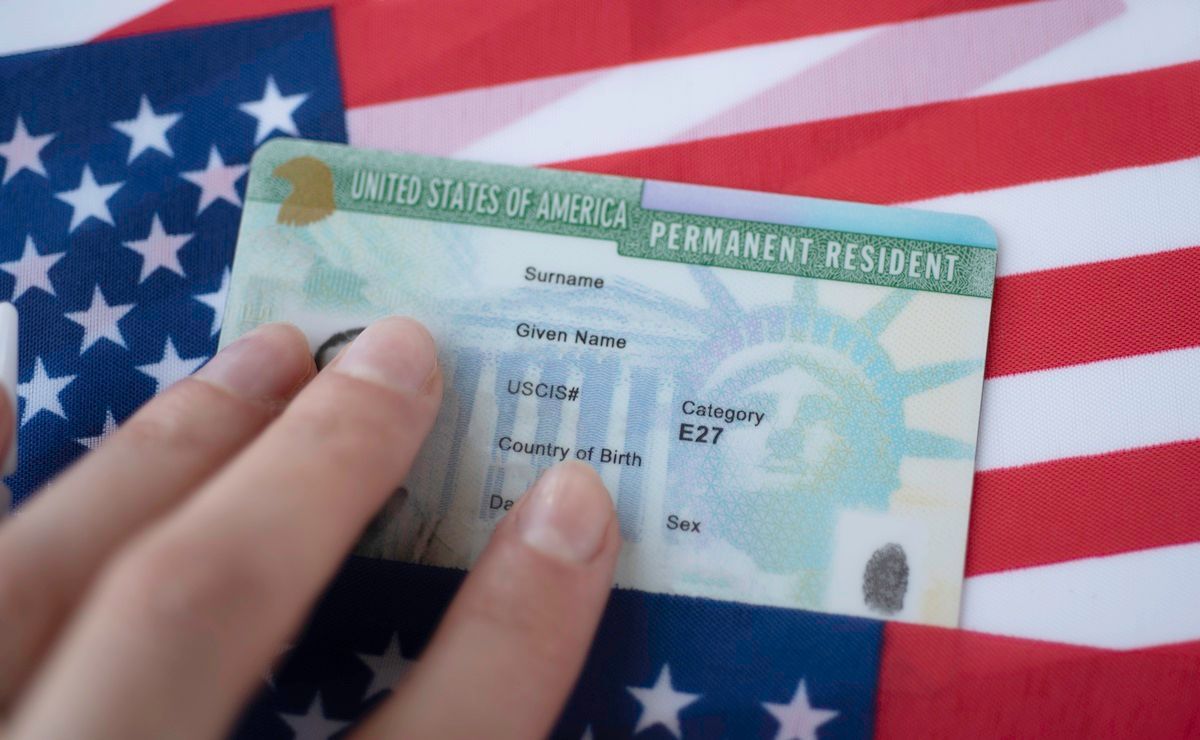
Receiving a two-year green card through marriage is an important step, but it leaves another process ahead: removing the conditions on permanent residence. For couples preparing a joint Form I-751 petition, understanding the filing window and organizing evidence early can make the preparation more manageable. The starting point is your own record. Locate the green card, the notice granting residence, and copies of the earlier immigration filing. Check the date conditional residence began and the card’s expiration date. Do not calculate the next deadline solely from your wedding anniversary or the date an attorney first submitted your case. Understand the joint filing window Under 8 CFR 216.4 , a joint I-751 petition generally must be filed during the 90-day period immediately before the second anniversary of obtaining conditional permanent residence. This is a window before that anniversary, not an additional 90 days after the card expires. Preparing early and filing early are different things. You can begin gathering records well before the window opens, while coordinating the correct submission date with your attorney. A joint petition also requires the appropriate signatures, fee, and supporting documentation. Confirm the current form instructions, accepted filing method, and applicable fee when the case is ready to submit. Build a record of the marriage over time The regulation identifies several types of evidence that may help show the marriage was not entered into to evade immigration law: jointly owned property, a lease for a shared home, combined financial resources, children’s birth certificates, and statements from people with personal knowledge of the relationship. These examples do not mean every couple must have a mortgage, joint accounts, or children. The evidence should accurately reflect your circumstances. A clear explanation of how you manage your household can be more useful than forcing your relationship into a checklist that does not fit. As a practical preparation step, organize records by date and type. Review whether they help explain the course of the marriage, rather than collecting only documents created shortly before filing. Flag separate addresses, name changes, or gaps in the records for your attorney. Never alter a document to make the history appear simpler. Tell your attorney if circumstances change This article addresses joint filing. Divorce, the death of a spouse, abuse, or other significant changes may require a different filing basis or an individualized assessment. Separate waiver provisions exist, with their own requirements. A spouse’s unwillingness to sign does not, by itself, establish eligibility for every waiver. Do not assume that the joint 90-day window answers every question about a non-joint case. If the relationship changes while preparing the petition or while it is pending, inform counsel promptly. You should not need to invent a continuing relationship to seek advice about the options that may actually apply. Keep tracking the case after submission The regulation provides that conditional resident status is automatically extended, when necessary, upon receipt of a properly filed I-751 until adjudication. Proof of that status is a separate practical matter: keep the receipt notice and have counsel review its wording before relying on it for travel or employment documentation. This article does not promise a particular receipt-extension period or processing time. A missed deadline calls for prompt legal attention. The regulation allows some late joint filings where USCIS accepts a written showing of good cause, but acceptance is not automatic. Do not assume a late petition cures the problem without further review. Santos Lloyd Law Firm, P.C. can help you assess the filing window, organize relevant evidence, and identify changes that may affect your I-751 strategy. Contact the firm early enough to review the facts before the deadline approaches.

October begins a new federal fiscal year, but that does not mean every green card applicant moves to the front of the line. The Department of State’s October 2026 Visa Bulletin sets out the visa availability that applicants in family-sponsored and employment-based preference categories need to review this month.
Santos Lloyd Law Firm takes great pride in announcing that Partner Flavia Santos Lloyd has been invited to join the Fellows of the American Bar Foundation. As a highly selective global network, the organization recognizes legal professionals across both the public and private sectors who embody the absolute highest standards of the practice. Admission to this distinguished group highlights Flavia’s outstanding legal career, professional integrity, and deep impact on the legal community. Our team celebrates Flavia on this well-deserved recognition!
