

Demostrar que tiene una capacidad excepcional para solicitar una Exención de interés nacional
Kyle Huffman • October 6, 2022

Click here to read this article in English
Para solicitar con éxito una exención de interés nacional EB-2, deberá demostrar que es elegible para la clasificación de exención de interés nacional EB-2. Hay dos formas de ser elegible para la exención de interés nacional (NIW), que incluye demostrar que usted es un "profesional de grado avanzado" o demostrar que tiene una "habilidad excepcional" en las artes, las ciencias o los negocios.
Este artículo se centra en los tipos de evidencia que deberá proporcionar para demostrarle al USCIS que tiene habilidades excepcionales en su campo. Al evaluar si un candidato cumple con el umbral para ser considerado excepcional, USCIS realiza un análisis de dos partes. Primero, confirman si el solicitante ha proporcionado suficiente evidencia para cumplir con el número mínimo requerido de criterios probatorios. La ley en 8 C.F.R. §204.5(k)(3)(ii)(A-F) proporciona seis criterios diferentes, y una persona que espera ser clasificada como excepcional debe cumplir con al menos tres de esos seis criterios. Para la segunda parte del análisis de dos partes, el oficial de inmigración evaluará si, en conjunto, todas las pruebas proporcionadas establecen “un grado de experiencia significativamente superior al que normalmente se encuentra en las ciencias, las artes o los negocios”. Debido a esa segunda parte del análisis, siempre es una buena idea proporcionar evidencia para tantos de los seis criterios como sea posible.
Los seis criterios disponibles son:
- Un registro académico oficial que demuestre que tiene un título, diploma, certificado o galardón similar de un colegio, universidad, escuela u otra institución de aprendizaje relacionada con el área de habilidad excepcional.
- Evidencia en forma de carta(s) de su(s) empleador(es) actual(es) o anterior(es) que demuestre(n) que usted tiene por lo menos diez años de experiencia de tiempo completo en la ocupación para la cual él o ella está siendo buscado.
- Una licencia para ejercer la profesión o una certificación para una profesión u ocupación en particular.
- Evidencia de que ha cobrado un salario u otra remuneración por servicios, lo que demuestra una capacidad excepcional.
- Evidencia de pertenencia a asociaciones profesionales.
- Evidencia de reconocimiento por logros y contribuciones significativas a la industria o campo por parte de colegas, entidades gubernamentales u organizaciones profesionales o comerciales.
Además de estos seis criterios, la ley en 8 C.F.R. §204.5(k)(3)(iii) establece que si estos seis estándares no se aplican fácilmente a su ocupación, se pueden presentar pruebas comparables en su lugar.
Si cree que puede proporcionar documentación confiable para demostrar que cumple con al menos tres de estos seis criterios, entonces la exención de interés nacional puede ser un excelente camino para obtener su tarjeta verde (Green Card o Tarjeta de residente permanente) en los Estados Unidos. Programe una consulta con uno de nuestros experimentados abogados.
Esperamos con interés trabajar con usted.
This blog is not intended to be legal advice and nothing here should be construed as establishing an attorney client relationship. Please schedule a consultation with an immigration attorney before acting on any information read here.
This Facebook widget is no longer supported.
Kyle Huffman
Similar Posts

Embarking on the exhilarating journey of launching a new tech startup in the United States is a venture that blends innovation with ambition, and the dynamic landscape of the country offers an unparalleled stage for entrepreneurs to turn their groundbreaking ideas into thriving businesses. The United States highly values its position among the technology leaders of the world. In a nation fueled by a relentless pursuit of technological advancements, the process of bringing a startup to life involves navigating through a myriad of opportunities, challenges, and regulatory landscapes. This is particularly true for foreign entrepreneurs, who must also navigate the immigration system in addition to focusing on launching their businesses. Nevertheless, the United States recognizes the value in bringing technological innovators into the country and has created special considerations for immigrants with education in STEM (Science, Technology, Engineering, and Mathematics) who are seeking to develop important cutting-edge technologies in the United States. These special considerations apply to the EB-2 National Interest Waiver, an immigrant visa classification which leads to permanent residency, and eventually citizenship in the United States. At the heart of every EB-2 National Interest Waiver petition is a proposed endeavor, and while these proposals for the United States can be about nearly anything, the Immigration Service is directed to recognize particular importance for proposals that aim to develop specific technologies that the Biden administration has identified as critical for U.S. competitiveness and national security. In particular, these areas of critical and emerging technologies include: Advanced Computing Advanced Engineering Materials Advanced Gas Turbine Engine Technologies Advanced Manufacturing Advanced and Networked Sensing and Signature Management Advanced Nuclear Energy Technologies Artificial Intelligence Autonomous Systems and Robotics Biotechnologies Communication and Networking Technologies Directed Energy Financial Technologies Human-Machine Interfaces Hypersonics Networked Sensors and Sensing Quantum Information Technologies Renewable Energy Generation and Storage Semiconductors and Microelectronics Space Technologies and Systems If you are a tech entrepreneur with an education in a STEM field, seeking to launch a startup in the U.S. developing any of these technologies, the EB-2 National Interest Waiver might be your ticket to permanent residency. Whether you're drawn to the iconic landscapes of Silicon Valley or the emerging tech scenes across the nation, the time is now to make your mark. If you are interested in applying for a National Interest Waiver to launch a startup in the United States, schedule an appointment with one of our skilled attorneys.

In the landscape of U.S. immigration law, the pursuit of an employment-based green card can be a significant milestone for foreign nationals aspiring to establish their careers in the United States. Among the various pathways available, self-sponsorship for an employment-based green card stands out as an option that grants individuals the ability to sponsor their own immigration journey, offering a unique opportunity for skilled professionals and entrepreneurs. Traditionally, most employment-based green card categories require an employer to sponsor the foreign national, demonstrating the need for their skills or expertise. However, certain visa categories permit self-sponsorship, allowing individuals to petition for permanent residency without a specific employer's sponsorship. These include: 1. EB-1A Extraordinary Ability: Individuals with extraordinary abilities in the sciences, arts, education, business, or athletics may self-petition for an employment-based green card. They must demonstrate sustained national or international acclaim, providing extensive evidence of their achievements in their field. 2. EB-2 National Interest Waiver (NIW): This category enables individuals whose work is deemed to be in the interest of the United States to self-sponsor. Applicants must demonstrate their work's significance and how it benefits the nation as a whole. 3. EB-5 Immigrant Investor Program: Entrepreneurs investing in a new commercial enterprise that creates jobs for U.S. workers can self-petition for an employment-based green card. They must meet certain investment thresholds and fulfill job creation requirements. While these classifications have the advantage of allowing an individual to self-petition, each of these applications have distinct, stringent requirements to meet. This route can be challenging, requiring substantial evidence and a compelling case to prove extraordinary abilities or qualifications. Additionally, meeting the high standards set by USCIS for self-sponsorship can be demanding, necessitating thorough preparation and documentation. Navigating the complexities of immigration law, especially concerning self-sponsorship, often requires professional legal guidance. Seeking assistance from experienced immigration attorneys or consultants can significantly enhance the chances of a successful self-sponsored green card application, ensuring compliance with the intricate regulations and requirements. If you have any questions about what this means for you, please schedule a consultation with one of our experienced attorneys. We look forward to working with you.
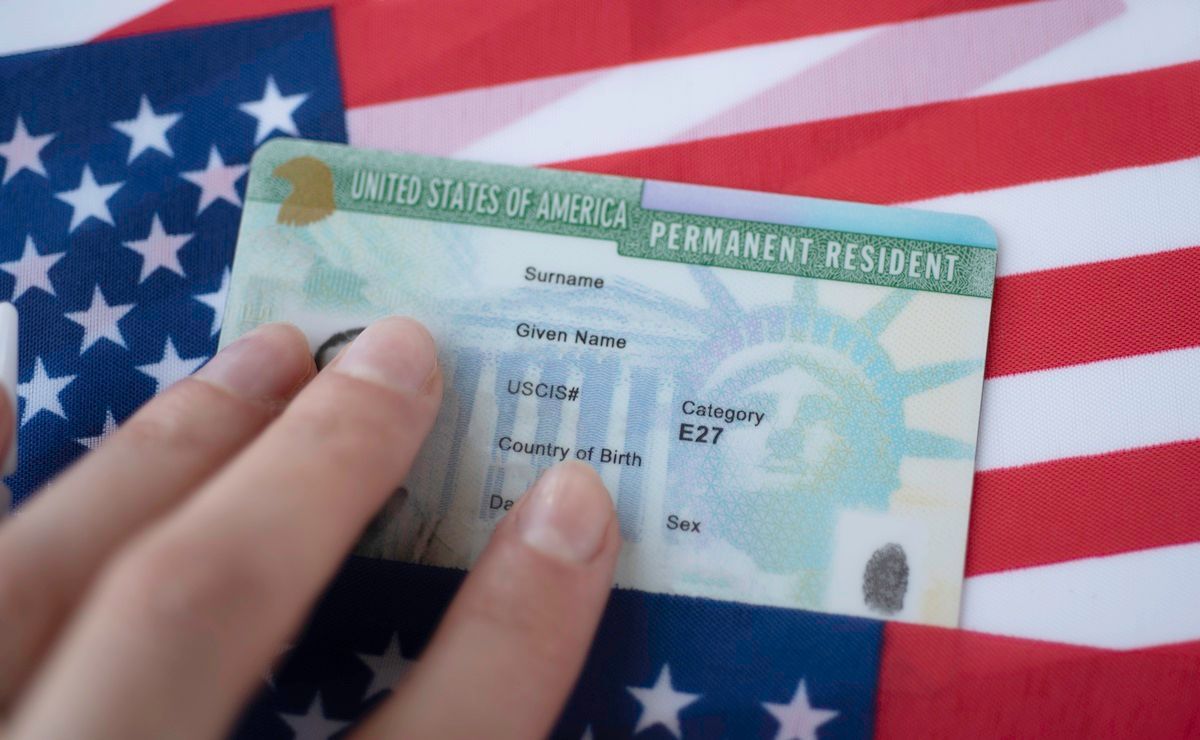
Receiving a two-year green card through marriage is an important step, but it leaves another process ahead: removing the conditions on permanent residence. For couples preparing a joint Form I-751 petition, understanding the filing window and organizing evidence early can make the preparation more manageable. The starting point is your own record. Locate the green card, the notice granting residence, and copies of the earlier immigration filing. Check the date conditional residence began and the card’s expiration date. Do not calculate the next deadline solely from your wedding anniversary or the date an attorney first submitted your case. Understand the joint filing window Under 8 CFR 216.4 , a joint I-751 petition generally must be filed during the 90-day period immediately before the second anniversary of obtaining conditional permanent residence. This is a window before that anniversary, not an additional 90 days after the card expires. Preparing early and filing early are different things. You can begin gathering records well before the window opens, while coordinating the correct submission date with your attorney. A joint petition also requires the appropriate signatures, fee, and supporting documentation. Confirm the current form instructions, accepted filing method, and applicable fee when the case is ready to submit. Build a record of the marriage over time The regulation identifies several types of evidence that may help show the marriage was not entered into to evade immigration law: jointly owned property, a lease for a shared home, combined financial resources, children’s birth certificates, and statements from people with personal knowledge of the relationship. These examples do not mean every couple must have a mortgage, joint accounts, or children. The evidence should accurately reflect your circumstances. A clear explanation of how you manage your household can be more useful than forcing your relationship into a checklist that does not fit. As a practical preparation step, organize records by date and type. Review whether they help explain the course of the marriage, rather than collecting only documents created shortly before filing. Flag separate addresses, name changes, or gaps in the records for your attorney. Never alter a document to make the history appear simpler. Tell your attorney if circumstances change This article addresses joint filing. Divorce, the death of a spouse, abuse, or other significant changes may require a different filing basis or an individualized assessment. Separate waiver provisions exist, with their own requirements. A spouse’s unwillingness to sign does not, by itself, establish eligibility for every waiver. Do not assume that the joint 90-day window answers every question about a non-joint case. If the relationship changes while preparing the petition or while it is pending, inform counsel promptly. You should not need to invent a continuing relationship to seek advice about the options that may actually apply. Keep tracking the case after submission The regulation provides that conditional resident status is automatically extended, when necessary, upon receipt of a properly filed I-751 until adjudication. Proof of that status is a separate practical matter: keep the receipt notice and have counsel review its wording before relying on it for travel or employment documentation. This article does not promise a particular receipt-extension period or processing time. A missed deadline calls for prompt legal attention. The regulation allows some late joint filings where USCIS accepts a written showing of good cause, but acceptance is not automatic. Do not assume a late petition cures the problem without further review. Santos Lloyd Law Firm, P.C. can help you assess the filing window, organize relevant evidence, and identify changes that may affect your I-751 strategy. Contact the firm early enough to review the facts before the deadline approaches.
October begins a new federal fiscal year, but that does not mean every green card applicant moves to the front of the line. The Department of State’s October 2026 Visa Bulletin sets out the visa availability that applicants in family-sponsored and employment-based preference categories need to review this month.
Santos Lloyd Law Firm takes great pride in announcing that Partner Flavia Santos Lloyd has been invited to join the Fellows of the American Bar Foundation. As a highly selective global network, the organization recognizes legal professionals across both the public and private sectors who embody the absolute highest standards of the practice. Admission to this distinguished group highlights Flavia’s outstanding legal career, professional integrity, and deep impact on the legal community. Our team celebrates Flavia on this well-deserved recognition!
