

Cómo pueden inmigrar a Estados Unidos los deportistas profesionales: Opciones de visado para campeones y competidores
Shirin Navabi • June 12, 2025

Click here to read this article in English
Estados Unidos ha sido durante mucho tiempo un destino para los atletas con más talento del mundo, no sólo para competir al más alto nivel, sino también para acceder a un entrenamiento de primera clase, oportunidades de entrenamiento y perspectivas de carrera a largo plazo. Ya sea en el campo de juego, en el ring o en el tablero de ajedrez, deportistas de todo el mundo están encontrando vías de inmigración que les permiten perseguir sus objetivos deportivos y profesionales en Estados Unidos.
La ley de inmigración de los Estados Unidos ofrece varias opciones de visado y tarjeta de residencia diseñadas específicamente para personas con un talento atlético extraordinario. Entre ellas figuran el visado P-1A para deportistas reconocidos internacionalmente, el visado O-1A para personas con aptitudes extraordinarias y la petición de inmigrante EB-1A, que puede conducir a la residencia permanente y, en última instancia, a la ciudadanía estadounidense.
El visado P-1A
lo utilizan habitualmente los deportistas profesionales que vienen a Estados Unidos para competir en un evento o temporada concretos. Esto se aplica no sólo a los atletas individuales, sino también a los miembros de equipos o clubes reconocidos internacionalmente. Es muy utilizado por futbolistas, jugadores de baloncesto, luchadores de MMA, competidores de jiu-jitsu brasileño e incluso ajedrecistas de élite. Los deportistas deben demostrar un alto nivel de reconocimiento internacional y un historial de rendimiento en su deporte.
El visado O-1A
es una buena opción para los entrenadores que demuestren una capacidad extraordinaria, normalmente evidenciada por títulos de campeonatos, récords de victorias sostenidas o reconocimiento como parte integrante del éxito de su equipo. Para ello, el entrenador debe demostrar que sus conocimientos le sitúan entre el pequeño porcentaje de los mejores profesionales de su campo.
Para los deportistas que buscan un estatus permanente en Estados Unidos, la petición de inmigrante EB-1A
-a menudo denominada «tarjeta verde de habilidades extraordinarias»- ofrece una vía directa hacia la residencia permanente legal. Requiere documentación clara de que la persona se encuentra entre las mejores de su deporte y ha logrado un éxito nacional o internacional sostenido. A diferencia de otras categorías de permisos de residencia, el EB-1A no requiere el patrocinio del empleador y puede solicitarse por cuenta propia. Esto se ha convertido en una vía común para campeones mundiales de MMA, medallistas de cinturón negro de BJJ, atletas olímpicos y grandes maestros de ajedrez, muchos de los cuales representan ahora a Estados Unidos en los más altos niveles de la competición internacional.
Es importante tener en cuenta que la ley de inmigración estadounidense define el término «deportista» en sentido amplio. Ya sea usted futbolista profesional en Europa, velocista en el Caribe, judoka, gimnasta o gran maestro de ajedrez, sus logros pueden entrar en estas categorías si están debidamente documentados y presentados. La clave está en un historial constante de excelencia y reconocimiento en su deporte a escala nacional o internacional.
Nuestro despacho está especializado en este tipo de asuntos de inmigración. Si usted es un atleta individual que busca reubicarse o una organización que busca traer talento internacional a su lista, ofrecemos estrategias legales a medida para apoyar sus objetivos.
Si usted está explorando opciones para competir, entrenar, o construir su futuro en los Estados Unidos, estamos aquí para ayudarle a dar el siguiente paso.
Este blog no pretende ser una asesoría legal y nada aquí debe interpretarse como el establecimiento de una relación abogado-cliente. Programe una consulta con un abogado de inmigración antes de actuar sobre cualquier información que aquí lea
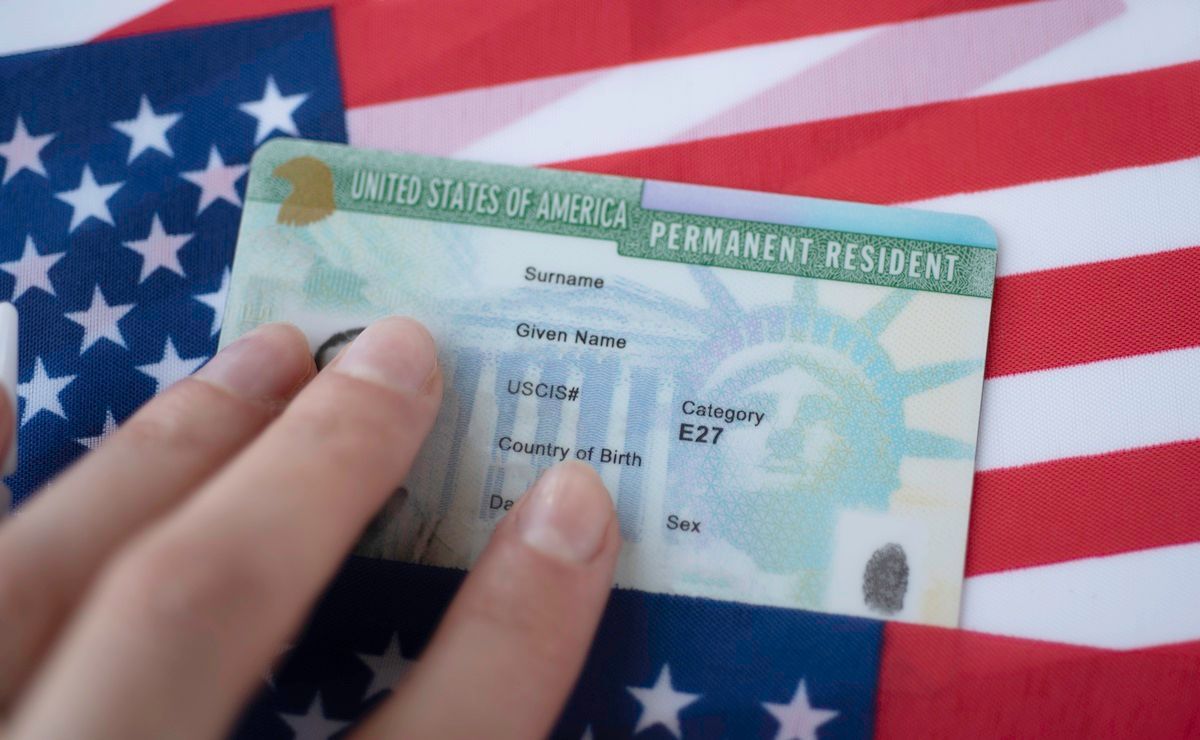
Receiving a two-year green card through marriage is an important step, but it leaves another process ahead: removing the conditions on permanent residence. For couples preparing a joint Form I-751 petition, understanding the filing window and organizing evidence early can make the preparation more manageable. The starting point is your own record. Locate the green card, the notice granting residence, and copies of the earlier immigration filing. Check the date conditional residence began and the card’s expiration date. Do not calculate the next deadline solely from your wedding anniversary or the date an attorney first submitted your case. Understand the joint filing window Under 8 CFR 216.4 , a joint I-751 petition generally must be filed during the 90-day period immediately before the second anniversary of obtaining conditional permanent residence. This is a window before that anniversary, not an additional 90 days after the card expires. Preparing early and filing early are different things. You can begin gathering records well before the window opens, while coordinating the correct submission date with your attorney. A joint petition also requires the appropriate signatures, fee, and supporting documentation. Confirm the current form instructions, accepted filing method, and applicable fee when the case is ready to submit. Build a record of the marriage over time The regulation identifies several types of evidence that may help show the marriage was not entered into to evade immigration law: jointly owned property, a lease for a shared home, combined financial resources, children’s birth certificates, and statements from people with personal knowledge of the relationship. These examples do not mean every couple must have a mortgage, joint accounts, or children. The evidence should accurately reflect your circumstances. A clear explanation of how you manage your household can be more useful than forcing your relationship into a checklist that does not fit. As a practical preparation step, organize records by date and type. Review whether they help explain the course of the marriage, rather than collecting only documents created shortly before filing. Flag separate addresses, name changes, or gaps in the records for your attorney. Never alter a document to make the history appear simpler. Tell your attorney if circumstances change This article addresses joint filing. Divorce, the death of a spouse, abuse, or other significant changes may require a different filing basis or an individualized assessment. Separate waiver provisions exist, with their own requirements. A spouse’s unwillingness to sign does not, by itself, establish eligibility for every waiver. Do not assume that the joint 90-day window answers every question about a non-joint case. If the relationship changes while preparing the petition or while it is pending, inform counsel promptly. You should not need to invent a continuing relationship to seek advice about the options that may actually apply. Keep tracking the case after submission The regulation provides that conditional resident status is automatically extended, when necessary, upon receipt of a properly filed I-751 until adjudication. Proof of that status is a separate practical matter: keep the receipt notice and have counsel review its wording before relying on it for travel or employment documentation. This article does not promise a particular receipt-extension period or processing time. A missed deadline calls for prompt legal attention. The regulation allows some late joint filings where USCIS accepts a written showing of good cause, but acceptance is not automatic. Do not assume a late petition cures the problem without further review. Santos Lloyd Law Firm, P.C. can help you assess the filing window, organize relevant evidence, and identify changes that may affect your I-751 strategy. Contact the firm early enough to review the facts before the deadline approaches.
October begins a new federal fiscal year, but that does not mean every green card applicant moves to the front of the line. The Department of State’s October 2026 Visa Bulletin sets out the visa availability that applicants in family-sponsored and employment-based preference categories need to review this month.
Santos Lloyd Law Firm takes great pride in announcing that Partner Flavia Santos Lloyd has been invited to join the Fellows of the American Bar Foundation. As a highly selective global network, the organization recognizes legal professionals across both the public and private sectors who embody the absolute highest standards of the practice. Admission to this distinguished group highlights Flavia’s outstanding legal career, professional integrity, and deep impact on the legal community. Our team celebrates Flavia on this well-deserved recognition!
