

No he sido seleccionado en la lotería H1B - ¿Y ahora qué?
Kris Quadros-Ragar • June 27, 2024

New ParagraphClick here to read this article in English
Perderse la lotería H-1B puede suponer un duro revés, sobre todo para quienes ansían trabajar en Estados Unidos. Sin embargo, no todas las esperanzas están perdidas. Hay múltiples vías y opciones a considerar si no eres seleccionado en la lotería inicial de H-1B.
1. Segunda oportunidad en la lotería del año en cursoUn resquicio de esperanza para los no seleccionados inicialmente es la posibilidad de un sorteo de "segunda oportunidad". Las inscripciones no seleccionadas en el sorteo de marzo permanecen en la reserva para un posible segundo sorteo si los seleccionados iniciales no completan su proceso de solicitud antes de la fecha límite del 30 de junio. Esto significa que su inscripción aún podría ser elegida más adelante en el año. Aunque la probabilidad de selección en esta segunda oportunidad es baja debido al gran volumen de inscritos, es una posibilidad a la que merece la pena aferrarse.
2. Prepárate para el sorteo del año que viene
Cada una de estas vías requiere una planificación cuidadosa y la comprensión de los requisitos específicos de elegibilidad y plazos. El equipo de Santos Lloyd Law Firm puede proporcionar orientación personalizada basada en sus circunstancias particulares y ayudarle a navegar a través de estas alternativas de manera efectiva.Mientras espera un posible segundo sorteo, es prudente prepararse para presentar una inscripción H-1B para la lotería del año siguiente. Para los empleadores, mantener la autorización de trabajo de un empleado en Estados Unidos. es fundamental y requiere una planificación cuidadosa, especialmente si el empleado se encuentra actualmente en Estados Unidos. con un visado diferente.3. Programas de estudios adicionalesPara aquellos con un visado F-1 que se acercan al final de su OPT o STEM OPT, considerar una educación adicional podría ser una ruta beneficiosa. Matricularse en otro programa académico puede permitirte optar a la Formación Práctica Curricular (CPT), que proporciona una autorización de trabajo relacionada con tu campo de estudio.4. Empleo en empresas exentas de la obligación de visado H-1BOtra estrategia viable es buscar empleo en organizaciones exentas de la obligación de solicitar el visado. Entre ellas se encuentran las instituciones de enseñanza superior, las entidades sin ánimo de lucro afiliadas a instituciones educativas y las organizaciones gubernamentales de investigación. Trabajar para una empresa exenta del límite le permite evitar el sistema de lotería.5. Alternativas en opciones de visado5. Alternativas en opciones de visadoHay otras categorías de visado que pueden encajar en su situación si la vía del visado H-1B no está disponible actualmente:
- Visados E-1 y E-2: Para nacionales de países con un tratado comercial con Estados Unidos, que realicen actividades comerciales o de inversión sustanciales.
- Visado E-3: Específico para ciudadanos australianos, este visado comparte similitudes con el H-1B pero no está sujeto al tope.
- Visado H-1B1: Disponible para nacionales de Singapur y Chile con beneficios similares al visado H-1B pero sin las restricciones del límite máximo.
- Visados O-1 o P-1: Para individuos que demuestren habilidades extraordinarias en su campo o aquellos que sean reconocidos internacionalmente.
- Visado TN: Para ciudadanos canadienses y mexicanos en determinadas profesiones, lo que permite un acceso más fácil al trabajo en Estados Unidos sin límite máximo.
6. Buscar la residencia permanente
- Visado L-1: Permite traslados interempresariales para empresas multinacionales.
Si está pensando en un futuro a largo plazo en Estados Unidos, iniciar el proceso de obtención de la tarjeta verde podría ser un paso estratégico. Aunque se trata de un proceso más largo y complejo, merece la pena hablar de las posibilidades (tanto si se basan en el empleo como si no) con un abogado de inmigración para estudiar su elegibilidad y los plazos.
Este blog no pretende ser una asesoría legal y nada aquí debe interpretarse como el establecimiento de una relación abogado-cliente. Programe una consulta con un abogado de inmigración antes de actuar sobre cualquier información que aquí lea.
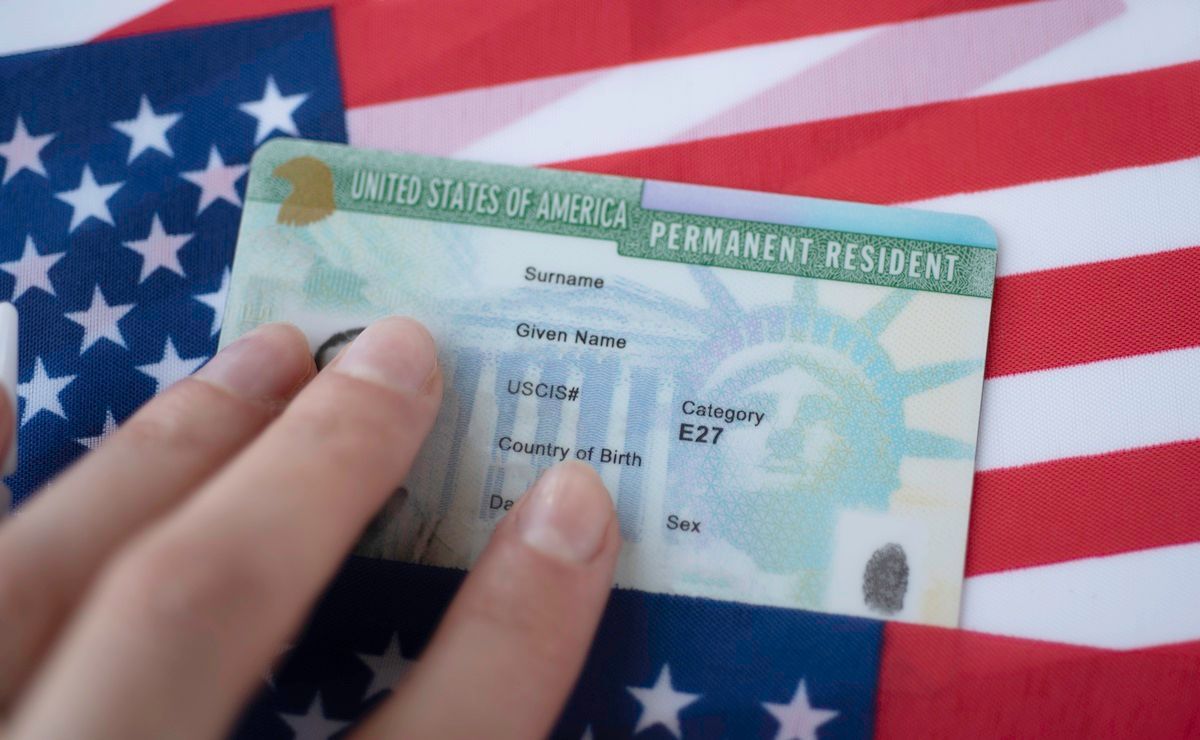
Receiving a two-year green card through marriage is an important step, but it leaves another process ahead: removing the conditions on permanent residence. For couples preparing a joint Form I-751 petition, understanding the filing window and organizing evidence early can make the preparation more manageable. The starting point is your own record. Locate the green card, the notice granting residence, and copies of the earlier immigration filing. Check the date conditional residence began and the card’s expiration date. Do not calculate the next deadline solely from your wedding anniversary or the date an attorney first submitted your case. Understand the joint filing window Under 8 CFR 216.4 , a joint I-751 petition generally must be filed during the 90-day period immediately before the second anniversary of obtaining conditional permanent residence. This is a window before that anniversary, not an additional 90 days after the card expires. Preparing early and filing early are different things. You can begin gathering records well before the window opens, while coordinating the correct submission date with your attorney. A joint petition also requires the appropriate signatures, fee, and supporting documentation. Confirm the current form instructions, accepted filing method, and applicable fee when the case is ready to submit. Build a record of the marriage over time The regulation identifies several types of evidence that may help show the marriage was not entered into to evade immigration law: jointly owned property, a lease for a shared home, combined financial resources, children’s birth certificates, and statements from people with personal knowledge of the relationship. These examples do not mean every couple must have a mortgage, joint accounts, or children. The evidence should accurately reflect your circumstances. A clear explanation of how you manage your household can be more useful than forcing your relationship into a checklist that does not fit. As a practical preparation step, organize records by date and type. Review whether they help explain the course of the marriage, rather than collecting only documents created shortly before filing. Flag separate addresses, name changes, or gaps in the records for your attorney. Never alter a document to make the history appear simpler. Tell your attorney if circumstances change This article addresses joint filing. Divorce, the death of a spouse, abuse, or other significant changes may require a different filing basis or an individualized assessment. Separate waiver provisions exist, with their own requirements. A spouse’s unwillingness to sign does not, by itself, establish eligibility for every waiver. Do not assume that the joint 90-day window answers every question about a non-joint case. If the relationship changes while preparing the petition or while it is pending, inform counsel promptly. You should not need to invent a continuing relationship to seek advice about the options that may actually apply. Keep tracking the case after submission The regulation provides that conditional resident status is automatically extended, when necessary, upon receipt of a properly filed I-751 until adjudication. Proof of that status is a separate practical matter: keep the receipt notice and have counsel review its wording before relying on it for travel or employment documentation. This article does not promise a particular receipt-extension period or processing time. A missed deadline calls for prompt legal attention. The regulation allows some late joint filings where USCIS accepts a written showing of good cause, but acceptance is not automatic. Do not assume a late petition cures the problem without further review. Santos Lloyd Law Firm, P.C. can help you assess the filing window, organize relevant evidence, and identify changes that may affect your I-751 strategy. Contact the firm early enough to review the facts before the deadline approaches.
October begins a new federal fiscal year, but that does not mean every green card applicant moves to the front of the line. The Department of State’s October 2026 Visa Bulletin sets out the visa availability that applicants in family-sponsored and employment-based preference categories need to review this month.

Santos Lloyd Law Firm takes great pride in announcing that Partner Flavia Santos Lloyd has been invited to join the Fellows of the American Bar Foundation. As a highly selective global network, the organization recognizes legal professionals across both the public and private sectors who embody the absolute highest standards of the practice. Admission to this distinguished group highlights Flavia’s outstanding legal career, professional integrity, and deep impact on the legal community. Our team celebrates Flavia on this well-deserved recognition!
