

Quais são as duas maneiras para peticionar por asilo humanitário?
April Perez • February 24, 2023

Click here to read this article in English
O asilo é um pedido que permite um indivíduo permanecer nos Estados Unidos ao invés de ser removido ou precisar retornar para o seu país natal, onde ela ou ele tema perseguição ou outros perigos. A aplicação para o asilo pode ser preenchida de duas maneiras.
Asilo Afirmativo
Uma aplicação afirmativa para asilo pode ser preenchida por alguém que não está em processo de remoção (corte de imigração). A pessoa poderá preencher a aplicação e evidência com o departamento de asilo que corresponda com a área que a pessoa esteja morando. Uma vez que a pessoa consiga o agendamento para a entrevista, essa entrevista será conduzida no escritório de asilo com um oficial da USCIS. Caso a pessoa possua um advogado(a), ele ou ela também poderá estar presente na entrevista junto com um tradutor, caso seja necessário. O aplicante precisará fazer um juramento e o oficial irá fazer perguntas sobre a aplicação para confirmar e atualizar as informações do processo. O oficial também perguntará sobre as perseguições que a pessoa sofreu em seu país natal. A decisão normalmente é enviada por correspondência, ou também poderá ser recolhida pessoalmente pelo aplicante no escritório de asilo em uma data e hora determinada pelo oficial. Se o caso for negado e o aplicante não possuir um status, ele ou ela será designado para a corte de imigração e terá uma oportunidade de apresentar o seu caso para o juiz. Se o aplicante possuir um status, ele poderá permanecer nesse mesmo status.
Asilo Defensivo
Uma aplicação defensiva para asilo é requisitada por um indivíduo que já está em um processo de remoção ou está sendo processado pela corte de imigração. A pessoa foi encaminhada para o tribunal quando recebeu uma intimação para comparecer ou a pessoa se entregou na fronteira e pediu por asilo. A aplicação e evidência são submetidas para o tribunal, e uma vez que ocorreu a oitiva, ou o depoimento pessoal é agendado, o aplicante terá a oportunidade de explicar as perseguições sofridas em seu país natal. O juiz irá sentenciar no final da oitiva ou escrever sua decisão, que será recebida por correios em uma data futura. Em uma situação que o caso é negado, o aplicante pode recorrer para a o Órgão de Recurso Imigratório (Board of Immigration Appeals – BIA). Caso contrário, o aplicante deverá seguir as instruções da sentença do juiz em relação a remoção.
Caso você queira verificar se você qualifica para o processo de asilo, sinta-se à vontade para entrar em contato com nosso escritório.
Este blog não se destina a ser um aconselhamento jurídico e nada aqui deve ser interpretado como estabelecimento de uma relação cliente-advogado. Por favor, agende uma consulta com um advogado de imigração, antes de agir baseado em qualquer informação lida neste blog.
This Facebook widget is no longer supported.
Similar Posts

If you have a pending asylum application in the United States, you will now be required to pay an Annual Asylum Fee (AAF) in order to keep your application pending. Understanding this new fee and why it is important could be the difference between maintaining your pending asylum application and facing removal from the country . If your asylum application has been pending for more than one year, you will be required to pay an annual fee of $102 . The good news is that this fee is charged per asylum application, not per person. This means a family applying together on a single Form I-589 will only pay $102 total. However, it is important to know that there are no fee waivers available for this annual payment. It is crucial to take this fee seriously because the consequences for missing your payment are severe . If you receive a notification from USCIS that your fee is due, you will be given exactly 30 days to pay it. If you fail to pay by the deadline, the government may enforce the following penalties: Rejection of your Application: USCIS will reject your pending asylum application. Loss of Work Authorization: Any pending applications for employment authorization (Form I-765) based on your asylum case will be denied. Furthermore, if you already have an approved work permit, you will lose your work authorization immediately. Risk of Deportation: If you do not have an underlying legal status in the U.S., USCIS may initiate your removal (deportation) from the United States. Because of the severe consequences of failure to pay the fee within 30 days, it is vitally important to update your address with USCIS. This ensures you will actually receive the payment notice and can pay it on time without jeopardizing your case. How to Pay: Paying your fee promptly is the best way to protect your asylum status and work authorization. You can easily check if your fee is due and make your payment online by visiting: https://my.uscis.gov/accounts/annual-asylum-fee/start/overview To submit your payment, you will need two important pieces of information: Your A-Number (Alien Registration Number). The receipt number from your asylum application receipt notice. Once you enter this information, you will see a blue “Pay and submit” button. You can pay securely using a credit card, debit card, or a transfer from a U.S. bank account. Always make sure to save a copy of your receipt to ensure you have evidence of payment. Staying informed and keeping up with the Annual Asylum Fee is an essential part of the asylum process in 2026. Watch your mail for notifications, keep your address updated, and pay your fee as soon as it is due to ensure your case stays on track.

Under the new regulation, if a person filed or files Form I-589, Application for Asylum and for Withholding of Removal after October 1, 2024, and the application remains pending with USCIS for 365 days, the applicant must pay an Annual Asylum Fee (AAF) on the one-year anniversary of his or her filing date.
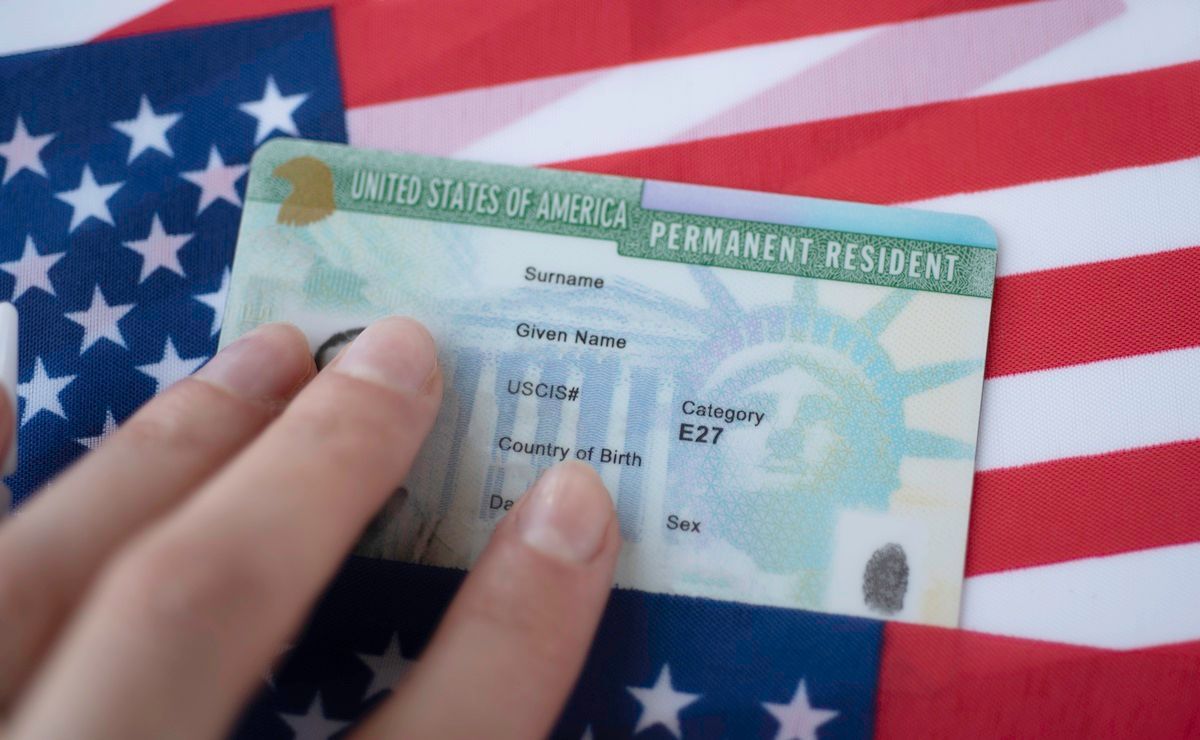
Receiving a two-year green card through marriage is an important step, but it leaves another process ahead: removing the conditions on permanent residence. For couples preparing a joint Form I-751 petition, understanding the filing window and organizing evidence early can make the preparation more manageable. The starting point is your own record. Locate the green card, the notice granting residence, and copies of the earlier immigration filing. Check the date conditional residence began and the card’s expiration date. Do not calculate the next deadline solely from your wedding anniversary or the date an attorney first submitted your case. Understand the joint filing window Under 8 CFR 216.4 , a joint I-751 petition generally must be filed during the 90-day period immediately before the second anniversary of obtaining conditional permanent residence. This is a window before that anniversary, not an additional 90 days after the card expires. Preparing early and filing early are different things. You can begin gathering records well before the window opens, while coordinating the correct submission date with your attorney. A joint petition also requires the appropriate signatures, fee, and supporting documentation. Confirm the current form instructions, accepted filing method, and applicable fee when the case is ready to submit. Build a record of the marriage over time The regulation identifies several types of evidence that may help show the marriage was not entered into to evade immigration law: jointly owned property, a lease for a shared home, combined financial resources, children’s birth certificates, and statements from people with personal knowledge of the relationship. These examples do not mean every couple must have a mortgage, joint accounts, or children. The evidence should accurately reflect your circumstances. A clear explanation of how you manage your household can be more useful than forcing your relationship into a checklist that does not fit. As a practical preparation step, organize records by date and type. Review whether they help explain the course of the marriage, rather than collecting only documents created shortly before filing. Flag separate addresses, name changes, or gaps in the records for your attorney. Never alter a document to make the history appear simpler. Tell your attorney if circumstances change This article addresses joint filing. Divorce, the death of a spouse, abuse, or other significant changes may require a different filing basis or an individualized assessment. Separate waiver provisions exist, with their own requirements. A spouse’s unwillingness to sign does not, by itself, establish eligibility for every waiver. Do not assume that the joint 90-day window answers every question about a non-joint case. If the relationship changes while preparing the petition or while it is pending, inform counsel promptly. You should not need to invent a continuing relationship to seek advice about the options that may actually apply. Keep tracking the case after submission The regulation provides that conditional resident status is automatically extended, when necessary, upon receipt of a properly filed I-751 until adjudication. Proof of that status is a separate practical matter: keep the receipt notice and have counsel review its wording before relying on it for travel or employment documentation. This article does not promise a particular receipt-extension period or processing time. A missed deadline calls for prompt legal attention. The regulation allows some late joint filings where USCIS accepts a written showing of good cause, but acceptance is not automatic. Do not assume a late petition cures the problem without further review. Santos Lloyd Law Firm, P.C. can help you assess the filing window, organize relevant evidence, and identify changes that may affect your I-751 strategy. Contact the firm early enough to review the facts before the deadline approaches.

October begins a new federal fiscal year, but that does not mean every green card applicant moves to the front of the line. The Department of State’s October 2026 Visa Bulletin sets out the visa availability that applicants in family-sponsored and employment-based preference categories need to review this month.

Santos Lloyd Law Firm takes great pride in announcing that Partner Flavia Santos Lloyd has been invited to join the Fellows of the American Bar Foundation. As a highly selective global network, the organization recognizes legal professionals across both the public and private sectors who embody the absolute highest standards of the practice. Admission to this distinguished group highlights Flavia’s outstanding legal career, professional integrity, and deep impact on the legal community. Our team celebrates Flavia on this well-deserved recognition!
