Are You Eligible to Apply for Lawful Permanent Resident Status under the Cuban Adjustment Act?

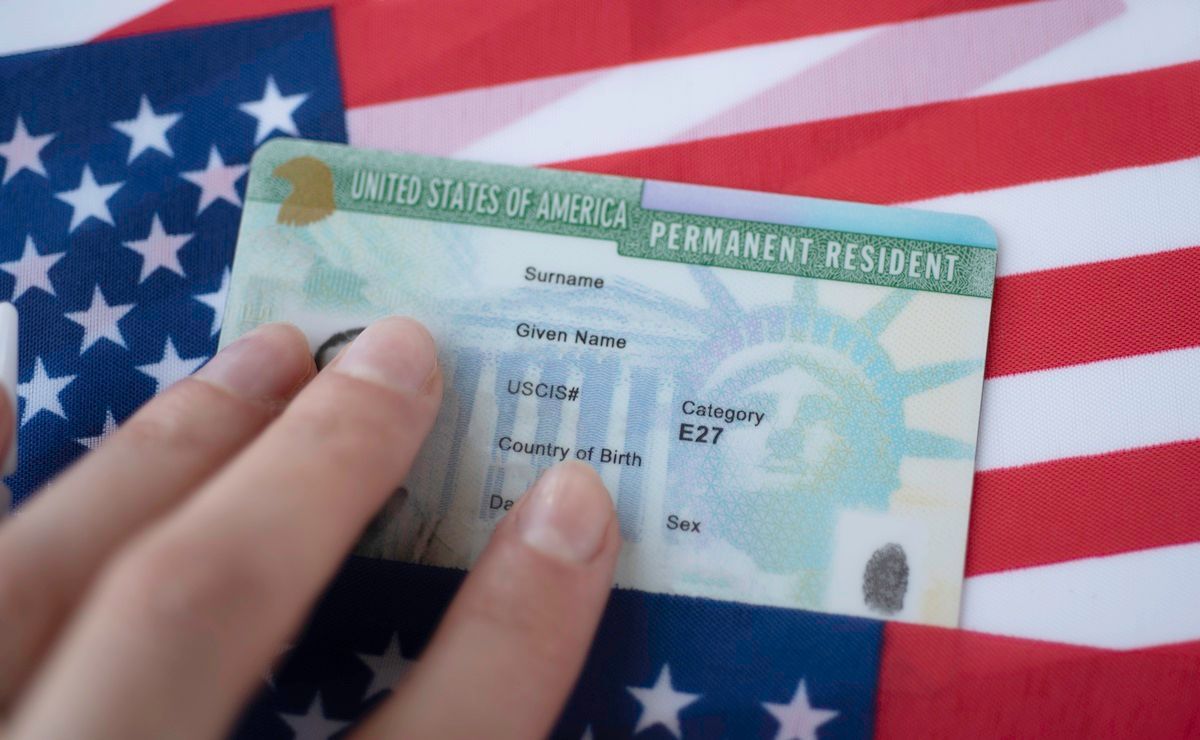
The Cuban Adjustment Act of 1966 (CAA) allows Cuban natives or citizens living in the United States who meet certain eligibility requirements to apply to become lawful permanent residents (get a Green Card).
In order to be eligible for a Green Card under the CAA, you must meet the following requirements:
- You properly file Form I-485, Application to Register Permanent Residence or Adjust Status;
- You are a native or citizen of Cuba;
- You were inspected and admitted or paroled after Jan. 1, 1959;
- You have been physically present in the United States for at least one year at the time you file your Form I-485;
- You are physically present in the United States at the time you file your Form I-485;
- You are admissible to the United States for lawful permanent residence or eligible for a waiver of inadmissibility or other form of relief; and
- You merit the favorable exercise of USCIS’ discretion.
The biggest hurdle for most Applicants is the 3rd requirement: was I properly inspected and admitted or paroled into the United States? This question arises most often for Cuban nationals who came into contact with immigration officials upon entry to the U.S. and were released on their own recognizance (given a Form I-220A).
For years immigration law has stated that receiving a Form I-220A and being released on one’s own recognizance was not the equivalent of being “paroled” under the law. However, a recent USCIS policy announcement in February 2022[1] has opened the door for this to change. Under this new guidance, any Cuban national who was given an I-220A, previously applied for Adjustment under the CAA and their application was denied solely on the determination that they did not establish that they had been admitted or paroled as required, can now either file a Motion to Reopen their previously denied case or simply file a new Adjustment application stating that they meet the qualifying criteria and are eligible for green card status.
If you are curious to learn more about this application and whether or not you are eligible for lawful permanent resident status through this process, please contact our office and speak with one of our highly experienced professionals today!
[1]
https://www.uscis.gov/sites/default/files/document/notices/USCIS_CAA_AA_485_Denied_NoParole_Process-Feb232022.pdf
This blog is not intended to be legal advice and nothing here should be construed as establishing an attorney client relationship. Please schedule a consultation with an immigration attorney before acting on any information read here.