

Elegibilidad para la ayuda por desastres de la FEMA para inmigrantes
Kyle Huffman • December 14, 2023
Click here to read this article in English
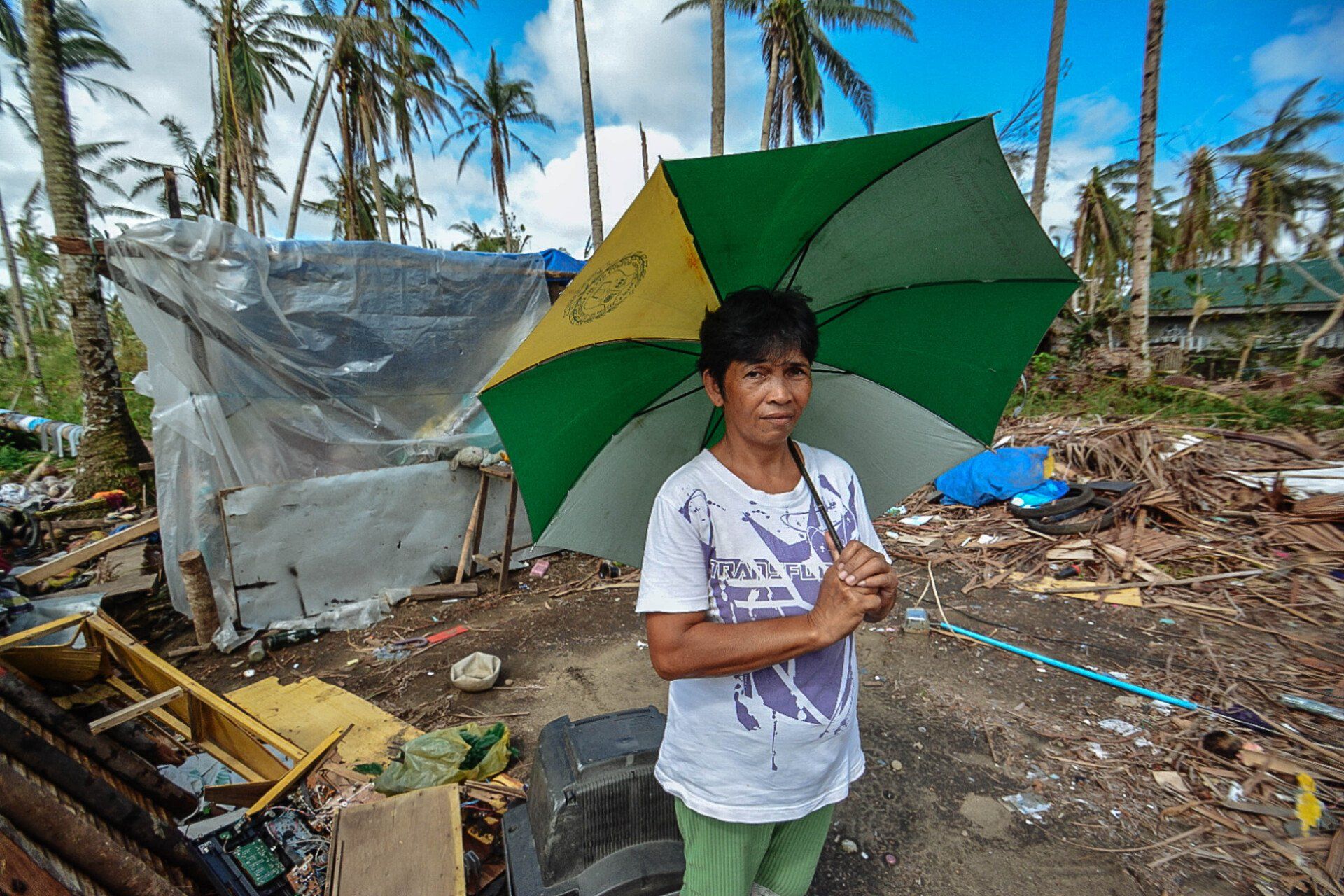
Recientemente, una serie de desastres naturales que se han extendido por todo Estados Unidos han dominado los titulares de las noticias. Desde los incendios forestales en Maui hasta los huracanes que azotan la costa este y oeste de los Estados Unidos continentales con solo unas semanas de diferencia. En conjunto, estos desastres naturales han costado, y se espera que le cuesten, a Estados Unidos decenas de miles de millones de dólares en daños.
Con la cobertura noticiosa de estos horribles eventos, muchas personas en los Estados Unidos que son indocumentadas o que viven con estatus temporal tienen preguntas sobre su elegibilidad para recibir asistencia por desastre si les sucede un desastre natural. Afortunadamente, la Agencia Federal para el Manejo de Emergencias (FEMA) ofrece orientación clara sobre esta elegibilidad para recibir ayuda de FEMA en respuesta a un desastre natural o emergencia similar.
La FEMA ofrece asistencia, que puede tomar formas que incluyen asistencia financiera directa para asistencia de alquiler, reparación de viviendas, pérdida de propiedad o pérdidas médicas, para no ciudadanos calificados. En este contexto, un no ciudadano calificado incluye cualquiera de los siguientes:
- Residentes Legales Permanentes (titulares de “Green Card”)
- A los no ciudadanos se les concede asilo
- Refugiados
- No ciudadanos cuyo estatus de deportación está retenido durante al menos un año
- No ciudadanos con permiso de ingreso a los EE. UU. durante al menos un año con fines humanitarios urgentes o beneficio público significativo.
- Participantes cubanos / haitianos
- Ciertos no ciudadanos maltratados o sus cónyuges o hijos
- Ciertas víctimas de una forma grave de trata de personas, incluidas personas con visa “T” o “U”
Además, un hogar puede solicitar ciertas formas de asistencia en nombre de un menor calificado, siempre que el padre o tutor del menor calificado viva en el mismo hogar y presente la solicitud como co-solicitante.
Si tiene alguna pregunta sobre lo que esto significa para usted, programe una consulta con uno de nuestros abogados experimentados.
Esperamos con interés trabajar con usted.
Este blog no pretende ser asesoramiento legal y nada aquí debe interpretarse como el establecimiento de una relación abogado-cliente. Programe una consulta con un abogado de inmigración antes de actuar según cualquier información leída aquí.

The Department of Homeland Security (DHS) published its final rule eliminating the longstanding "duration of status" (D/S) policy for F, J, and I visa holders, replacing it with a fixed period of admission effective September 15, 2026. This rule requires that those who need additional time to complete their programs must file Form I-539 with USCIS or travel abroad and seek to reenter to extend their authorized period of stay. F and J visa holders present in the U.S. and in valid status on September 15, 2026, will be allowed to remain in the United States until the Program End Date listed on their current Form I-20 (for F-1s) or Form DS-2019 (for J-1s), up to a maximum of four years (until September 15, 2030) plus a 60-day grace period for F-1s and a 30-day grace period for J-1s, without filing an Extension of Status request with USCIS. However, this safety net only applies while staying in the U.S.; international travel and subsequent reentry after September 15, 2026 will result in readmission under the new rule with an I-94 that expires on the Program End Date or Employment Authorization Document (EAD) expiration, but no later than four-years after their date of re-entry. Additionally, once re-admitted under the new rules, F-1s will only receive a 30-day grace period. Immediate Practice Tips: Any F-1 or J-1 nonimmigrant currently in the U.S. who plans to change programs, start a new degree level, or needs more time to complete their studies must work with their school or program sponsor to update their SEVIS record and receive an extended Form I-20 or DS-2019 before September 15, 2026. Eligible F-1 students should submit their post-completion OPT or STEM OPT work authorization applications (Form I-765) before September 15, 2026, to secure their status and drastically reduce the likelihood of needing a Form I-539 extension application. Any F-1 student who is eligible to apply for OPT or STEM OPT before March 18, 2027, should do so as soon as they are eligible to file their Form I-765. Since F-1s can file OPT applications up to 90 days in advance of graduation, F-1 students graduating before June 15,2027, should be able to file their OPT applications before March 18, 2027, and should do so to avoid also having to file Form I-539 to extend their stay. Thus, most F-1 students graduating in December 2026 and May/June 2027 should be able to take advantage of the transition rule’s delay in having to file Form I-539 applications and should only need to file Form I-765 to apply for OPT. Incoming F-1 and J-1 students who can enter the United States before the September 15, 2026 effective date (within the permissible 30-day window prior to their program start) should do so to benefit from the transition rules, including the full 60-day F-1 grace period and deferred extension requirements. Students (F-1 and J-1) who are planning international travel should return before the effective date if possible to preserve their transition benefits. There are many parts of the rule that are not discussed here. If you are currently an F-1 or J-1 visa holder, you should proactively coordinate with your institutions and international office to protect your status and stay informed.

U.S. Citizenship and Immigration Services (USCIS) has released updated policy guidance detailing how officers will evaluate "public charge" inadmissibility for individuals applying for green cards through adjustment of status. This update follows a Department of Homeland Security (DHS) final rule that rescinds the 2022 public charge regulations. The new policy takes effect on September 18, 2026 , and applies to all green card applications (Form I-485) postmarked or submitted on or after that date. Who Is Subject to the Public Charge Rule? Most family-based and employment-based green card applicants will be subject to the public charge ground of inadmissibility. This includes spouses, children, and parents of U.S. citizens or legal permanent residents, as well as most employment visa preference categories, investors, and diversity visa applicants. Certain categories remain explicitly exempt under immigration law. These include: Asylees and refugees Victims of human trafficking (T visa) or crime (U visa) Violence Against Women Act (VAWA) self-petitioners Special Immigrant Juveniles Temporary Protected Status (TPS) applicants Certain military-related applicants and other designated humanitarian groups How USCIS Will Make Determinations USCIS officers will evaluate whether an applicant is likely to become a public charge by reviewing the totality of their circumstances on a case-by-case basis. Key factors include: Five Statutory Factors: Age, health, family status, assets/financial resources, and education or skills. Affidavit of Support: Submission of Form I-864 executed by a sponsor. Use of Public Benefits: USCIS will look at means-tested public benefits, such as cash assistance for income maintenance, housing assistance, food stamps (SNAP), or college financial aid. Note on timing: For benefits received before September 18, 2026, USCIS will only consider public cash assistance for income maintenance and long-term institutionalization at government expense. For benefits received on or after September 18, 2026, the broader consideration of all listed means-tested benefits will apply. Public Charge Bonds If an officer determines that an applicant is inadmissible solely on public charge grounds, USCIS may issue a Notice of Intent to Deny that invites the applicant to post a public charge bond using Form I-945. If an invited applicant successfully posts the required cash or surety bond, USCIS may approve the application for permanent residence. Public charge bonds can only be submitted if explicitly invited by USCIS. Santos Lloyd Law Firm will continue to monitor immigration developments closely and provide updates as further implementation details are released. For more information, please access: https://www.uscis.gov/newsroom/alerts/uscis-issues-guidance-on-making-public-charge-inadmissibility-determination

The Department of Homeland Security (DHS) is considering a regulatory proposal that would remove the discretionary 60-day grace period currently available to certain nonimmigrant visa holders (including H-1B, L-1, TN, E, and O-1) and their dependents. The draft rule is currently undergoing interagency review by the Office of Management and Budget (OMB) and has not yet been formally published for public feedback. What This Means Right Now Nothing changes today. The 60-day grace period remains in effect while this rule goes through the approval process. Under current rules, if your job ends early, you have up to 60 days (or until your I-94 expires) to leave the U.S., find a new sponsor, or apply to change status. What Could Change If approved, foreign workers who lose their jobs would no longer get automatic time to find a new employer or change status from within the U.S. They would generally be required to leave the country immediately. Next Steps Once the OMB finishes its initial review, the proposed rule will be published in the Federal Register, opening a public comment period of 30 to 60 days. Based on feedback received during this time, DHS may decide to alter, withdraw, or proceed with the proposal. If the government decides to finalize the rule, the entire process will likely take several months before taking effect. Santos Lloyd Law Firm will continue to monitor developments closely and will share updates on our immigration blog and social media pages as more details emerge.
