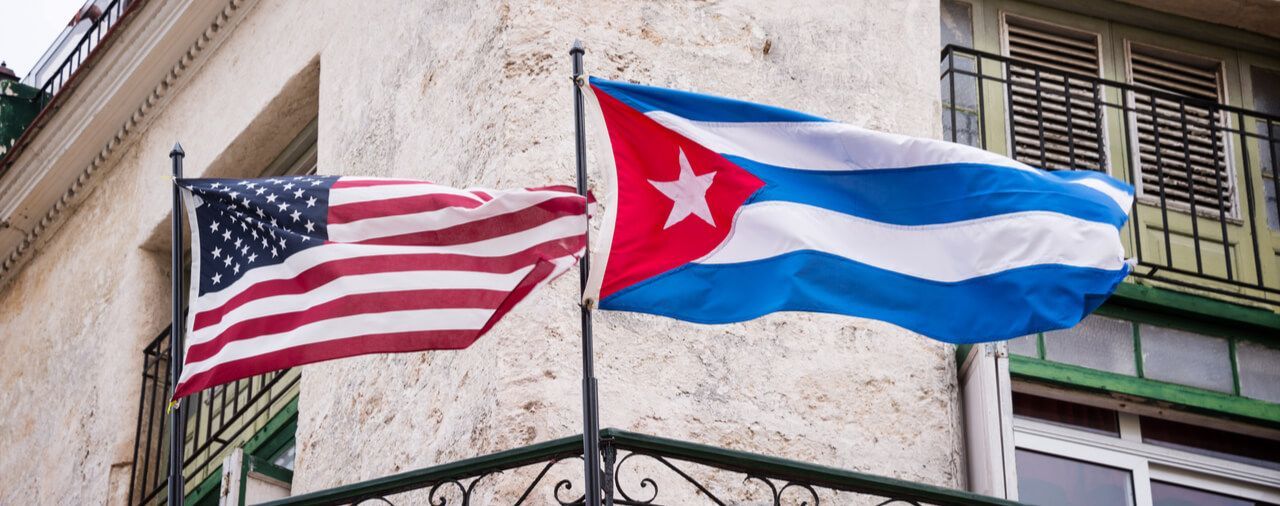
Você é elegível para solicitar o status de Residente Permanente Legal sob o Ato de Ajuste Cubano?
Angelica Rice • September 21, 2023

Click here to read this article in English

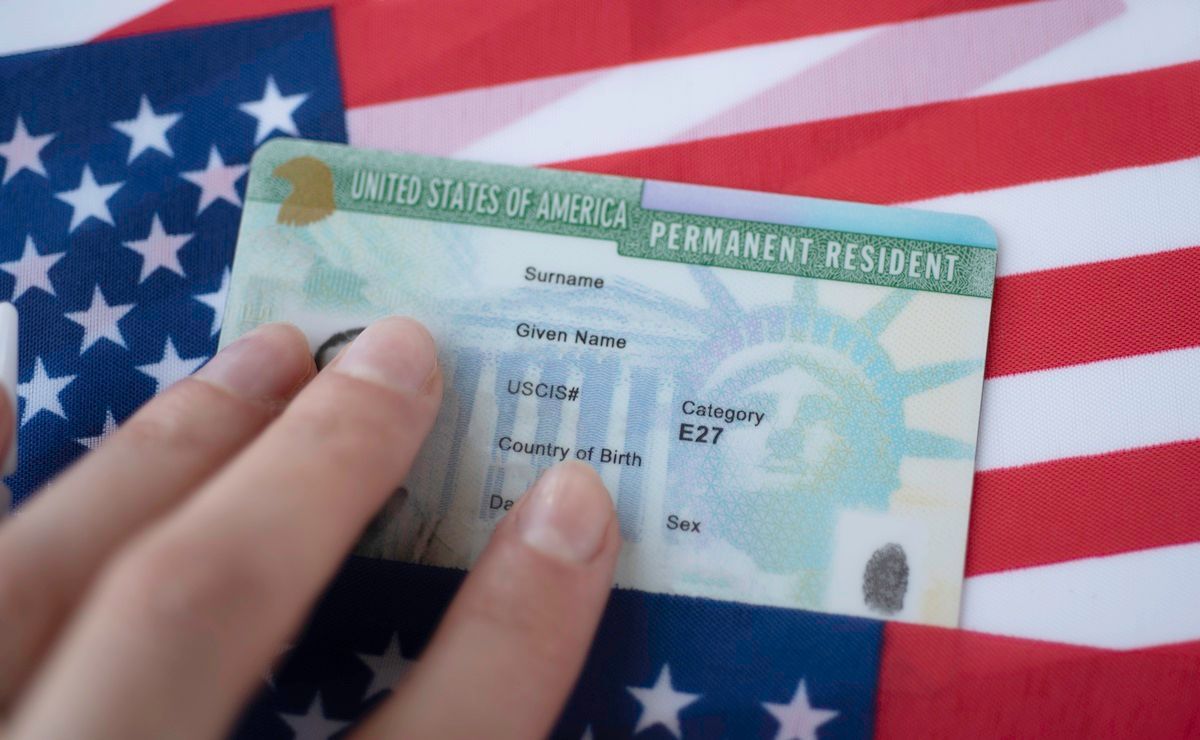
       O Ato de Ajuste Cubano de 1966 (CAA) permite que nativos ou cidadãos cubanos que vivam nos Estados Unidos e atendam a determinados requisitos de elegibilidade possam solicitar a obtenção do status de residente permanente legal (obter um Green Card).


      Para ser elegível para um Green Card sob o CAA, você deve atender aos seguintes requisitos:


  • Preencher corretamente o Formulário I-485, Pedido de Registro de Residência Permanente ou Ajuste de Status;
  • Ser nativo ou cidadão de Cuba;
  • Ter sido inspecionado e admitido ou liberado condicionalmente após 1º de janeiro de 1959;
  • Ter estado fisicamente presente nos Estados Unidos por pelo menos um ano no momento em que apresentar o Formulário I-485;
  • Estar fisicamente presente nos Estados Unidos no momento em que apresentar o Formulário I-485;
  • Ser admissível nos Estados Unidos para residência permanente legal ou ser elegível para uma renúncia à inadmissibilidade ou outra forma de medida;
  • Merecer o exercício favorável do critério discricionário do USCIS.


      O maior obstáculo para a maioria dos candidatos é o terceiro requisito: "Fui inspecionado e admitido ou liberado condicionalmente nos Estados Unidos corretamente?". Essa pergunta surge com mais frequência para cidadãos cubanos que entraram em contato com autoridades de imigração na entrada nos EUA e foram liberados por conta própria (receberam um Formulário I-220A).


      Por anos, a lei de imigração afirmou que receber um Formulário I-220A e ser liberado por conta própria não era equivalente a ser "liberado condicionalmente" conforme a lei. No entanto, um anúncio recente de política da USCIS em fevereiro de 2022[1] abriu a possibilidade de mudança. Sob essa nova orientação, qualquer cidadão cubano que tenha recebido um I-220A, tenha anteriormente solicitado o ajuste sob o CAA e tenha tido seu pedido negado exclusivamente com base na determinação de que não estabeleceu ter sido admitido ou liberado conforme exigido, agora pode apresentar um Pedido de Reconsideração de seu caso previamente negado ou simplesmente apresentar um novo pedido de ajuste, declarando que atende aos critérios de qualificação e é elegível para o status de Green Card.


      Se você estiver curioso para saber mais sobre esse processo e se é ou não elegível para o status de residente permanente legal por meio desse processo, por favor, entre em contato com nosso escritório e converse com um de nossos profissionais altamente experientes hoje mesmo!  


[1] https://www.uscis.gov/sites/default/files/document/notices/USCIS_CAA_AA_485_Denied_NoParole_Process-Feb232022.pdf


Este blog não se destina a fornecer aconselhamento jurídico e nada aqui deve ser interpretado como estabelecimento de um relacionamento advogado-cliente. Por favor, agende uma consulta com um advogado de imigração antes de agir com base em qualquer informação lida aqui.
This Facebook widget is no longer supported.

Angelica Rice

By Kris Quadros-Ragar January 15, 2026
U.S. Citizenship and Immigration Services (USCIS) has announced a major change to the H-1B cap selection process. Under a final rule issued on December 29, 2025, USCIS will replace the long-standing random H-1B lottery with a wage-weighted selection system that favors higher-paid and more complex positions. The rule is scheduled to take effect on February 27, 2026 , just ahead of the fiscal year 2027 H-1B cap registration season, unless delayed by legal challenges. If implemented, USCIS is expected to release additional guidance explaining how employers must submit registrations under the revised process. This change marks one of the most significant reforms to the H-1B program in recent years. Up until 2025, all registrations were treated equally once the annual cap was reached. Under the new system, selection odds will be tied to wage levels based on the U.S. Department of Labor’s Occupational Employment and Wage Statistics data. All H-1B registrations will still be placed into a single selection pool, but registrations tied to higher wage levels will receive multiple entries into that pool, increasing their likelihood of selection. Lower wage levels will receive fewer entries, making selection less likely but not impossible. H-1B wage levels are not determined solely by salary. Each wage level reflects the complexity of the job, the level of responsibility involved, and the education and experience required . Entry-level positions involving routine duties and close supervision are generally classified at the lowest wage level, while positions requiring independent judgment, advanced skills, and significant responsibility fall into higher wage levels. The highest wage level is reserved for roles that involve expert knowledge, strategic decision-making, and substantial leadership or technical authority. USCIS is expected to closely scrutinize selected petitions to ensure that the wage level claimed during registration is supported by the job duties and salary offered in the petition. Any discrepancies between the registration and the petition may result in requests for evidence, denials, or enforcement action. With the elimination of the purely random lottery, employers should begin preparing early by carefully evaluating job descriptions, wage levels, and overall H-1B strategy. Accurate classification and thoughtful planning will be essential under this new wage-based selection system. If you are an employer considering H-1B sponsorship, or a foreign professional wondering whether your position may qualify under the new wage-based system, consulting with experienced immigration counsel is more important than ever. Santos Lloyd Law is actively advising clients on H-1B cap registrations and strategy under the new rules. To discuss your options or determine whether you may qualify, contact our office to schedule a consultation.
By April Perez January 9, 2026
During the recent administration there has been an increase in issuance of Requests for Evidence for EB-1A petitions for those of Extraordinary Ability. A Request for Evidence is a request that is made by USCIS that should explain how the evidence is deficient in proving the criteria argued and what additional evidence needs to be provided by the applicant to meet the criteria. EB-1A petitions are already normally subject to higher scrutiny because their approval is the first step needed to apply for Lawful Permanent Residence or a green card. USCIS normally requires not just evidence but that the evidence be provided with context and information to show why it matters in a particular field. For example, if you were providing evidence of your membership in an organization that requires outstanding achievements of its members, just providing evidence of the membership is not enough. You must explain what that membership is and provide background information on the organization granting the membership. You also need to provide evidence on the criteria that is used to select the members, information on those who select the members to show that they are recognized experts, other documentation such as articles about the membership organization to show its importance, and any other relevant evidence and background information to show that the criteria is met. A request for evidence being issued prior to the current administration was not uncommon, but in the current climate it is more surprising to not receive a request for evidence for this type of case. It is important to remember that a request for evidence is not a denial. Depending on the validity of the information in the request and the substance some Requests for Evidence can be overcome, and the case be approved. It is important to carefully review the request and note if there are any errors in the content and application of the regulations by USCIS. If you have an attorney, you should work with them and make sure that you provide any evidence you think may be helpful. Although there is a deadline by which a response must be submitted, attention to detail and patience will go a long way when dealing with having to respond to a request for evidence.  If you believe you may qualify for this type of visa, please feel free to contact our office.
Show More