

Understanding the T Visa: Protection and Path to Justice
Kris Quadros-Ragar • July 11, 2024

The T visa is a nonimmigrant visa designed specifically for victims of severe forms of human trafficking. It provides recipients with temporary legal status in the United States, allowing them to live and work in the country for up to four years. This visa not only ensures their safety but also grants access to essential public benefits such as housing assistance and medical care.
In the fight against human trafficking, the T visa stands as a crucial tool, offering hope and legal protection to victims who have endured unspeakable hardships. Established under the Victims of Trafficking and Violence Protection Act of 2000 (VTVPA), the T visa aims to shield individuals trafficked into the United States from further exploitation while empowering them to assist law enforcement in prosecuting their traffickers.
To establish eligibility for a T visa, the applicant must demonstrate that they:
1. have been a victim of a severe form of trafficking in persons;
2. are physically present in the United States, American Samoa, or at a U.S. port of entry on account of such trafficking;
3. have complied with any reasonable request for assistance in a federal, state, or local investigation or prosecution into acts of trafficking or the investigation of a crime where acts of trafficking are at least one central reason for the commission of that crime, except when the applicant was under 18 years of age at the time of victimization or is unable to cooperate with a request due to physical or psychological trauma;
4. would suffer extreme hardship involving unusual and severe harm upon removal from the United States; and
5. are admissible to the United States or qualify for a waiver of any applicable grounds of inadmissibility.
The 2021 revisions to the USCIS Policy Manual, particularly in Volume 3, Part B – Victims of Trafficking, have clarified the broad definition of trafficking. This has facilitated more successful T visa cases without requests for evidence or the need for litigation.
Application Process
Applying for a T visa involves submitting a comprehensive application package to the United States Citizenship and Immigration Services (USCIS). The core of the application is the Form I-914, which includes:
- Detailed personal information and history of trafficking victimization.
- Supporting documentation such as police reports, medical records, and witness affidavits.
- Evidence of cooperation with law enforcement.
- Proof of extreme hardship if deported.
Once USCIS receives the application, they conduct a thorough review to determine eligibility for the T visa. Upon approval, T visa holders receive temporary legal status in the U.S. for up to four years. During this period, they can rebuild their lives with access to crucial resources and the ability to work legally.
Importantly, after three years of continued presence in the U.S. under T visa status, individuals may apply to adjust their status to become lawful permanent residents (green card holders).
Navigating the complexities of the T visa application process requires legal expertise and compassionate support. At Santos Lloyd, our dedicated team of attorneys specializes in immigration law, with a focus on assisting victims of human trafficking. If you believe you have been a victim of human trafficking or would like a comprehensive screening, please contact our office – we are eager to help you!
This blog is not intended to be legal advice and nothing here should be construed as establishing an attorney client relationship. Please schedule a consultation with an immigration attorney before acting on any information read here.
This Facebook widget is no longer supported.
Kris Quadros-Ragar
Similar Posts

If you have a pending asylum application in the United States, you will now be required to pay an Annual Asylum Fee (AAF) in order to keep your application pending. Understanding this new fee and why it is important could be the difference between maintaining your pending asylum application and facing removal from the country . If your asylum application has been pending for more than one year, you will be required to pay an annual fee of $102 . The good news is that this fee is charged per asylum application, not per person. This means a family applying together on a single Form I-589 will only pay $102 total. However, it is important to know that there are no fee waivers available for this annual payment. It is crucial to take this fee seriously because the consequences for missing your payment are severe . If you receive a notification from USCIS that your fee is due, you will be given exactly 30 days to pay it. If you fail to pay by the deadline, the government may enforce the following penalties: Rejection of your Application: USCIS will reject your pending asylum application. Loss of Work Authorization: Any pending applications for employment authorization (Form I-765) based on your asylum case will be denied. Furthermore, if you already have an approved work permit, you will lose your work authorization immediately. Risk of Deportation: If you do not have an underlying legal status in the U.S., USCIS may initiate your removal (deportation) from the United States. Because of the severe consequences of failure to pay the fee within 30 days, it is vitally important to update your address with USCIS. This ensures you will actually receive the payment notice and can pay it on time without jeopardizing your case. How to Pay: Paying your fee promptly is the best way to protect your asylum status and work authorization. You can easily check if your fee is due and make your payment online by visiting: https://my.uscis.gov/accounts/annual-asylum-fee/start/overview To submit your payment, you will need two important pieces of information: Your A-Number (Alien Registration Number). The receipt number from your asylum application receipt notice. Once you enter this information, you will see a blue “Pay and submit” button. You can pay securely using a credit card, debit card, or a transfer from a U.S. bank account. Always make sure to save a copy of your receipt to ensure you have evidence of payment. Staying informed and keeping up with the Annual Asylum Fee is an essential part of the asylum process in 2026. Watch your mail for notifications, keep your address updated, and pay your fee as soon as it is due to ensure your case stays on track.

Under the new regulation, if a person filed or files Form I-589, Application for Asylum and for Withholding of Removal after October 1, 2024, and the application remains pending with USCIS for 365 days, the applicant must pay an Annual Asylum Fee (AAF) on the one-year anniversary of his or her filing date.

As of April 1, 2024, USCIS has instituted an inflation adjustment to immigration application filing fees . These fee increases apply to a majority of the different application types, including family-based, non-immigrant, and immigrant petitions. As a part of these fee increases, USCIS has also instituted a new program designed to provide funding to the United States’ Asylum Program, in order to better address the massive backlog of pending asylum claims currently waiting to be adjudicated. Unfortunately, these changes have led to confusion among petitioners for when they are required to pay the Asylum Program Fee, and when they may qualify for a 50% or complete exemption from the fee. The Asylum Program Fee is required to be submitted by employers in all I-129 and I-140 petitions filed on or after April 1, 2024. The Asylum Program Fee is $600, however, certain exemptions apply . Small employers , defined as having 25 or fewer total employees, qualify for a reduction of the Asylum Program Fee, but are still required to submit a reduced fee of $300. Individual petitioners, or self-petitions, such as in the case of an EB-2 National Interest Waiver, are considered small employers for the purpose of the Asylum Program Fee and are also required to submit the reduced $300 fee. Non-profit organizations are exempted from the Asylum Program fee and are not required to submit any additional funds with the ordinary I-129 or I-140 filing fee. In addition, non-profits qualify for a 50% reduction of the ordinary filing fee in certain types of applications, bringing the overall filing fee burden down substantially for non-profit organizations. With these changes to USCIS’ filing fee schedule, USCIS is hoping for significant improvements to efficiency and processing for pending asylum applicants. If you or your petitioning organization need any assistance in preparing an application for an immigration benefit, including ensuring proper compliance with the new fee requirements, our office is ready and waiting to help!

The Violence Against Women Act also known as VAWA allows spouses, parents, and children of U.S. citizens and Lawful Permanent Residents (LPRs) who have been subjected to abuse to apply for immigration relief. A person may also be eligible to apply for VAWA if his/her U.S. citizen or LPR spouse subjected his/her child to battery or extreme cruelty. A person who is eligible for VAWA can “self-petition,” for the relief. By self-petitioning, the person can petition himself or herself without the abuser’s knowledge, consent, or participation in the process. Here is a brief overview of the VAWA eligibility requirements: 1. Being subjected to battery or extreme cruelty by a U.S. citizen or LPR spouse, parent, and/or child. Battery or extreme cruelty can be physical abuse, violent acts or threats of violence, sexual abuse, verbal abuse and degradation, emotional abuse, isolation, intimidation, economic abuse, coercion, or threats to take away children or to call immigration. 2. Residing or have resided with the abusive U.S. citizen or LPR spouse, parent, or child. 3. As a self-petitioning spouse of an abusive U.S. citizen or LPR, the self-petitioner must also demonstrate that he/she entered the marriage in good faith. The marriage must still be valid or if divorced, the marriage must have ended less than two years prior to filing the VAWA petition. 4. The self-petitioner must demonstrate he/she is a person of good moral character. To determine whether a person has good moral character, immigration looks at the self-petitioner’s criminal and immigration history or lack of. Note, battered spouses or children of U.S. citizens or LPRs, who are in removal proceedings may also be eligible for VAWA relief through cancellation of removal. If you believe you may qualify for VAWA or if you have any questions, please schedule a consultation with one of our experienced attorneys and we will be more than happy to assist you.
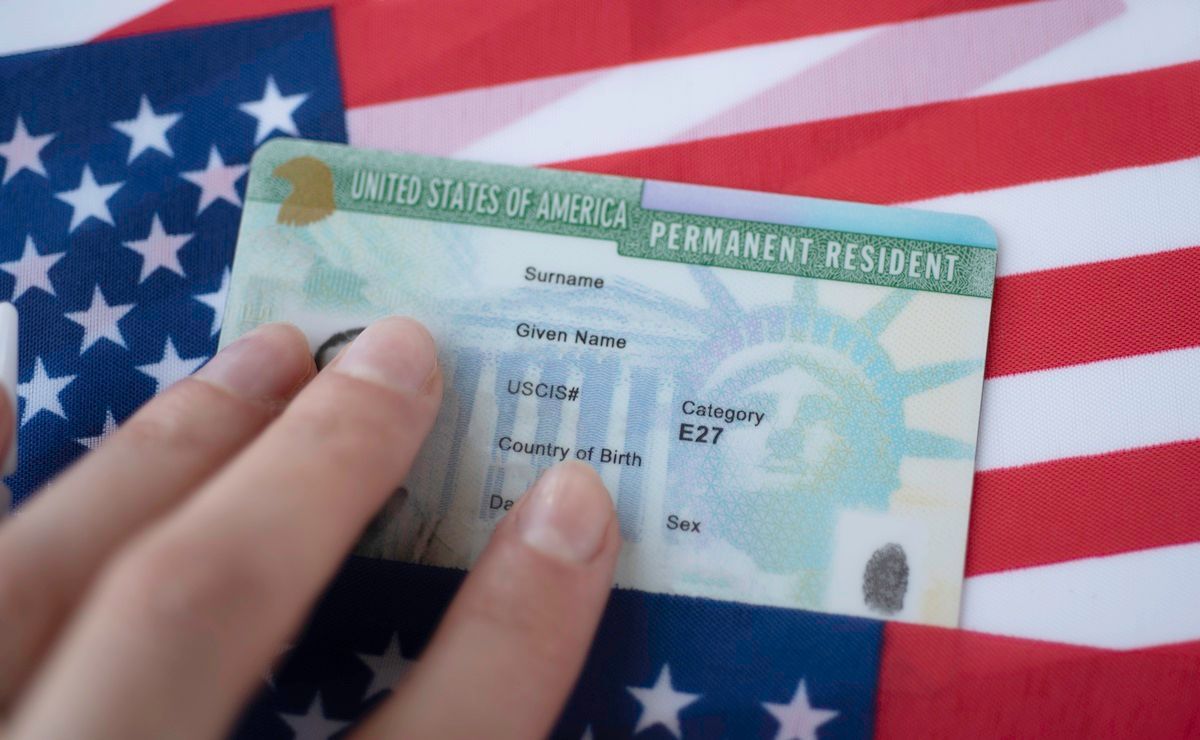
Receiving a two-year green card through marriage is an important step, but it leaves another process ahead: removing the conditions on permanent residence. For couples preparing a joint Form I-751 petition, understanding the filing window and organizing evidence early can make the preparation more manageable. The starting point is your own record. Locate the green card, the notice granting residence, and copies of the earlier immigration filing. Check the date conditional residence began and the card’s expiration date. Do not calculate the next deadline solely from your wedding anniversary or the date an attorney first submitted your case. Understand the joint filing window Under 8 CFR 216.4 , a joint I-751 petition generally must be filed during the 90-day period immediately before the second anniversary of obtaining conditional permanent residence. This is a window before that anniversary, not an additional 90 days after the card expires. Preparing early and filing early are different things. You can begin gathering records well before the window opens, while coordinating the correct submission date with your attorney. A joint petition also requires the appropriate signatures, fee, and supporting documentation. Confirm the current form instructions, accepted filing method, and applicable fee when the case is ready to submit. Build a record of the marriage over time The regulation identifies several types of evidence that may help show the marriage was not entered into to evade immigration law: jointly owned property, a lease for a shared home, combined financial resources, children’s birth certificates, and statements from people with personal knowledge of the relationship. These examples do not mean every couple must have a mortgage, joint accounts, or children. The evidence should accurately reflect your circumstances. A clear explanation of how you manage your household can be more useful than forcing your relationship into a checklist that does not fit. As a practical preparation step, organize records by date and type. Review whether they help explain the course of the marriage, rather than collecting only documents created shortly before filing. Flag separate addresses, name changes, or gaps in the records for your attorney. Never alter a document to make the history appear simpler. Tell your attorney if circumstances change This article addresses joint filing. Divorce, the death of a spouse, abuse, or other significant changes may require a different filing basis or an individualized assessment. Separate waiver provisions exist, with their own requirements. A spouse’s unwillingness to sign does not, by itself, establish eligibility for every waiver. Do not assume that the joint 90-day window answers every question about a non-joint case. If the relationship changes while preparing the petition or while it is pending, inform counsel promptly. You should not need to invent a continuing relationship to seek advice about the options that may actually apply. Keep tracking the case after submission The regulation provides that conditional resident status is automatically extended, when necessary, upon receipt of a properly filed I-751 until adjudication. Proof of that status is a separate practical matter: keep the receipt notice and have counsel review its wording before relying on it for travel or employment documentation. This article does not promise a particular receipt-extension period or processing time. A missed deadline calls for prompt legal attention. The regulation allows some late joint filings where USCIS accepts a written showing of good cause, but acceptance is not automatic. Do not assume a late petition cures the problem without further review. Santos Lloyd Law Firm, P.C. can help you assess the filing window, organize relevant evidence, and identify changes that may affect your I-751 strategy. Contact the firm early enough to review the facts before the deadline approaches.
October begins a new federal fiscal year, but that does not mean every green card applicant moves to the front of the line. The Department of State’s October 2026 Visa Bulletin sets out the visa availability that applicants in family-sponsored and employment-based preference categories need to review this month.
Santos Lloyd Law Firm takes great pride in announcing that Partner Flavia Santos Lloyd has been invited to join the Fellows of the American Bar Foundation. As a highly selective global network, the organization recognizes legal professionals across both the public and private sectors who embody the absolute highest standards of the practice. Admission to this distinguished group highlights Flavia’s outstanding legal career, professional integrity, and deep impact on the legal community. Our team celebrates Flavia on this well-deserved recognition!
